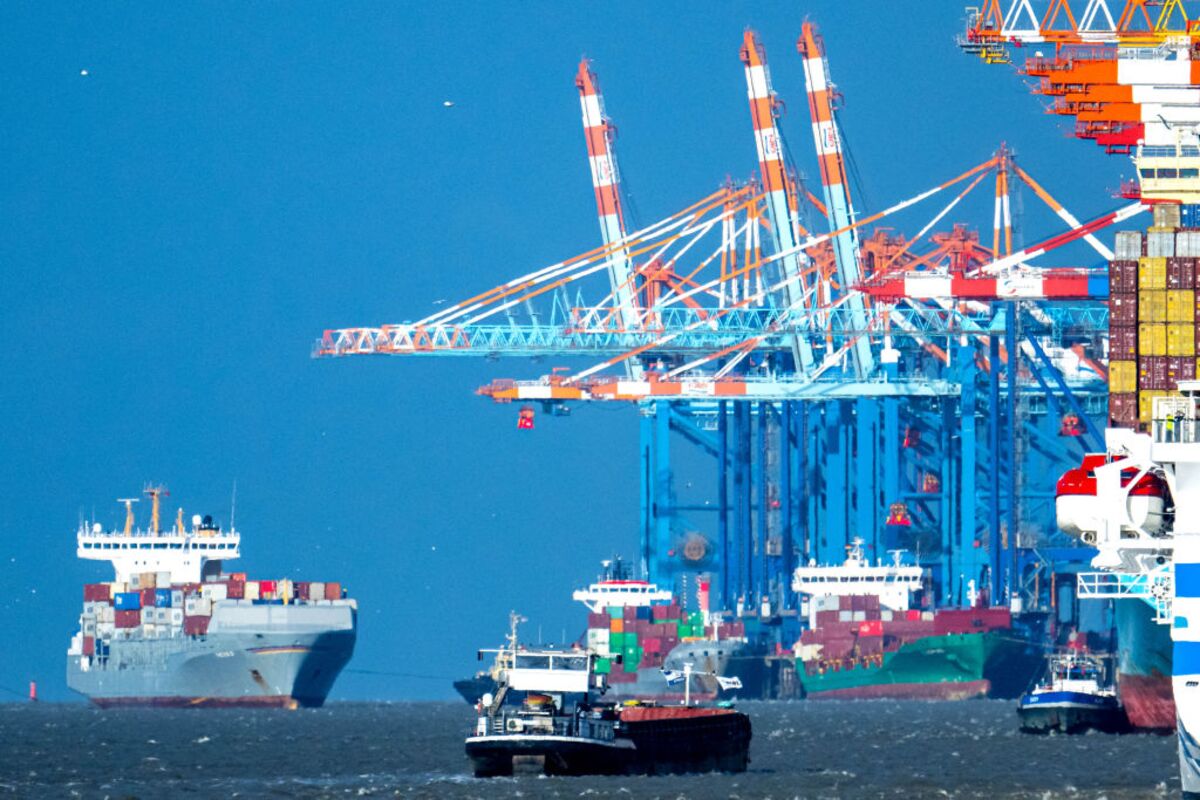
A Drewry report indicates that port congestion in Northern Europe is worsening, with waiting times for berth space increasing significantly in Bremerhaven (77%), Antwerp (37%), and Hamburg (49%) between late March and mid-May; the report suggests that trade wars could spread maritime disruptions to Asia and the US, potentially pushing up shipping rates.
Port congestion in key Northern European gateways is escalating, signaling persistent disruptions to maritime trade. According to a recent Drewry report, waiting times for berth space surged dramatically between late March and mid-May, with Bremerhaven experiencing a 77% increase, Antwerp a 37% rise, and Hamburg a 49% jump. Similar delays are also affecting Rotterdam and the UK’s Felixstowe. This situation, classified with a strongly negative sentiment (-0.65) and a moderate market impact score (0.6), points to significant operational inefficiencies. The report further cautions that ongoing trade wars could potentially extend these maritime disruptions to Asian and US ports, creating a broader impact on global supply chains and likely exerting upward pressure on shipping rates. These developments highlight critical vulnerabilities within the transportation and logistics sector and have direct implications for trade policy and economic stability.
AI-powered research, real-time alerts, and portfolio analytics for institutional investors.
Request DemoOverall Sentiment
strongly negative
Sentiment Score
-0.65
