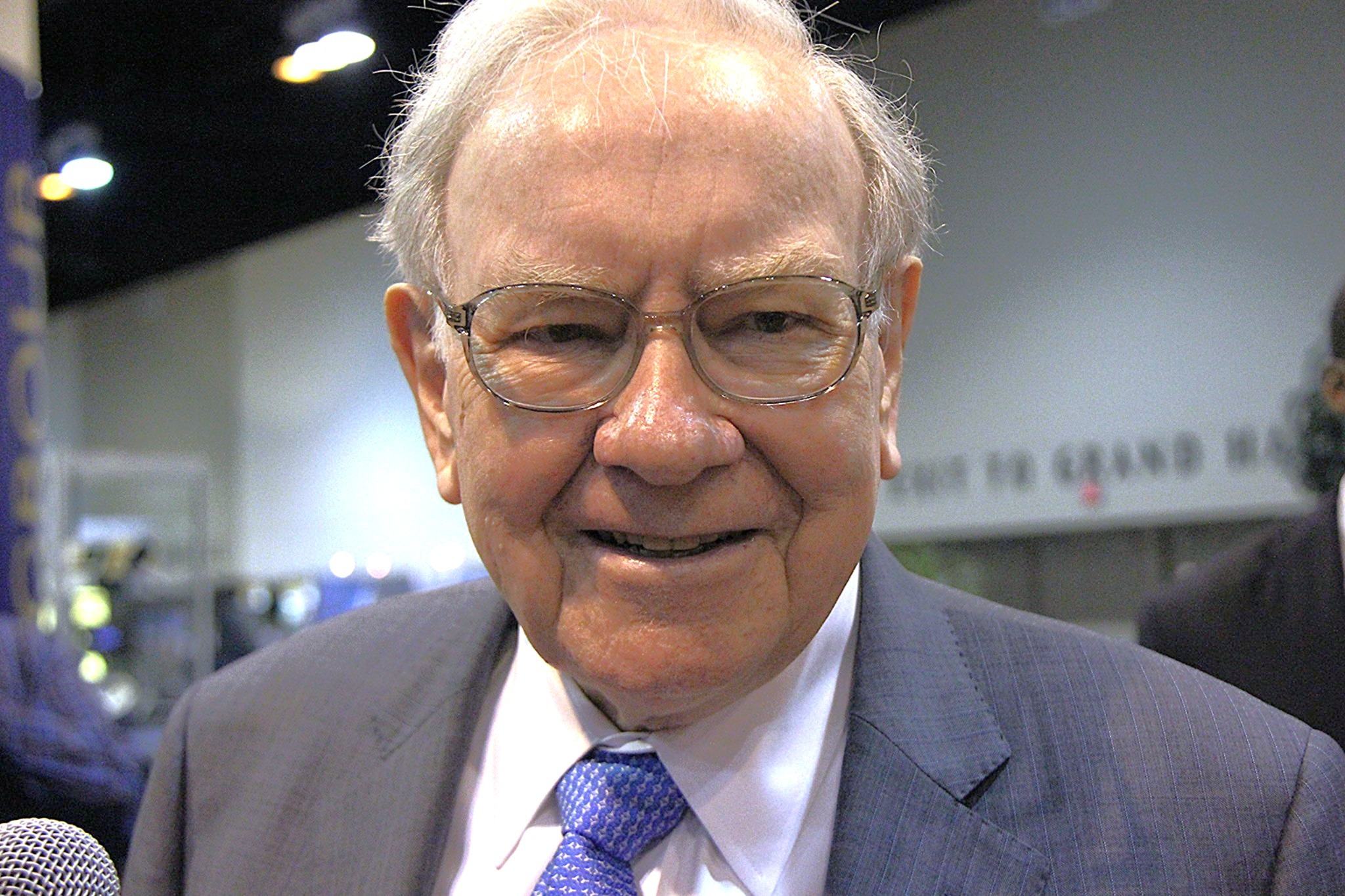
Berkshire Hathaway recently received a downgrade from KBW, citing concerns over Warren Buffett's eventual exit and challenges in core operating units, despite the conglomerate reporting a robust 34% increase in Q3 operating profit, driven by strong insurance underwriting. The article argues that succession plans under Greg Abel are well-established, and Berkshire's record $381.6 billion cash pile provides unparalleled strategic flexibility for opportunistic acquisitions during market downturns. This suggests that current stock underperformance, attributed to succession anxiety, may present a long-term buying opportunity given the company's fundamental strength and capital allocation potential.
KBW recently downgraded Berkshire Hathaway (BRK.B), citing concerns over Warren Buffett's eventual exit and challenges within its core railroad and insurance operating units. However, Berkshire's Q3 results contradict these concerns, reporting a robust 34% increase in operating profit across its wholly owned businesses, with insurance underwriting income specifically rising to $2.37 billion. This strong operational performance suggests fundamental business health despite analyst skepticism.
The article dismisses succession anxiety, highlighting Greg Abel's established role overseeing non-insurance operations since 2018 and the competence of Buffett's cohort. Crucially, Berkshire maintains a record $381.6 billion cash pile, providing unparalleled strategic flexibility for opportunistic acquisitions during market downturns, positioning it as a "strategic weapon" for future growth.
Despite strong fundamentals, BRK.B has seen a "slow time" in 2025, with only 5.86% gains compared to the S&P 500's 16.56%, attributed to investor uncertainty and the fading "Buffett premium." The underlying bullish sentiment (0.75) from the analysis suggests this underperformance is temporary, viewing the current weakness as a potential buying opportunity for long-term investors given Berkshire's durable structure and capital allocation potential.
AI-powered research, real-time alerts, and portfolio analytics for institutional investors.
Overall Sentiment
strongly positive
Sentiment Score
0.75
Ticker Sentiment
