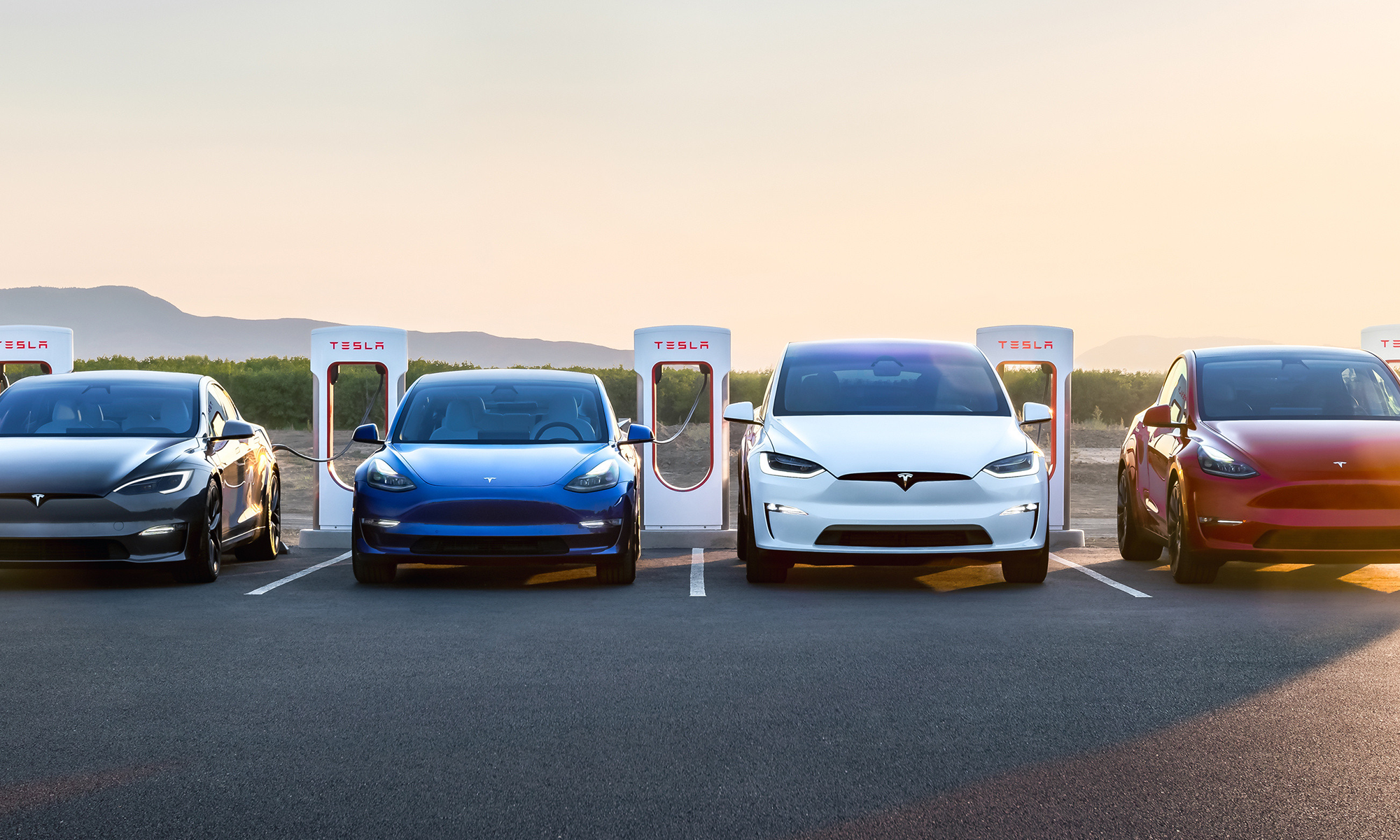
Ford Motor Company's Model e segment recorded a $3.7 billion loss in the first nine months of 2025, with F-150 Lightning sales significantly below targets, underscoring the financial challenges legacy automakers face in their costly transition to EVs, despite strong profitability in its Ford Pro commercial division. Conversely, Tesla, while experiencing recent sales declines, remains profitable and cash-generative, with its long-term growth prospects increasingly tied to the successful deployment of its robotaxi business and unsupervised Full Self-Driving technology, presenting a more organic but speculative growth trajectory compared to Ford's reactive EV strategy.
Ford Motor Company's Model e segment reported a significant $3.7 billion loss in the first nine months of 2025, underscoring the financial challenges of its EV transition, despite a $5 billion investment in a new universal EV platform. F-150 Lightning sales reached only 23,034 units, a mere 1% year-over-year growth, falling substantially short of the previously expected 150,000 units annually, and comparable to the 14,416 Cybertruck sales which saw a 38% decline. This contrasts sharply with the $7.4 billion segment profit from Ford Pro, its commercial vehicle division.
Tesla, despite experiencing documented sales declines in 2025 and increased competition, remains profitable and cash-generative. Its long-term valuation is increasingly tied to the successful deployment of its robotaxi business and unsupervised Full Self-Driving (FSD) technology, with plans for Cybercab production in 2026. The company's large existing vehicle fleet provides a crucial data feedback loop for FSD development, creating an organic growth pathway.
The core issue for Ford is the necessity to invest heavily in an currently unprofitable EV segment to maintain long-term relevance, a reactive strategy following past EV and autonomous vehicle failures. Conversely, Tesla's growth, while slower than anticipated, is organic, though its valuation carries the risk of failing to achieve its ambitious robotaxi and FSD goals within market expectations. The market sentiment for Ford is negative (-0.7), while Tesla's is positive (0.6), reflecting these divergent outlooks.
Both companies face transformative developments, but their paths diverge significantly, with Ford grappling with the immediate financial burden of EV adoption and Tesla banking on future technological breakthroughs. The overall market sentiment is mixed and cautious, with a moderate market impact score of 0.5, indicating significant investor attention on this sector transition.
AI-powered research, real-time alerts, and portfolio analytics for institutional investors.
Request DemoOverall Sentiment
mixed
Sentiment Score
-0.10
Ticker Sentiment
