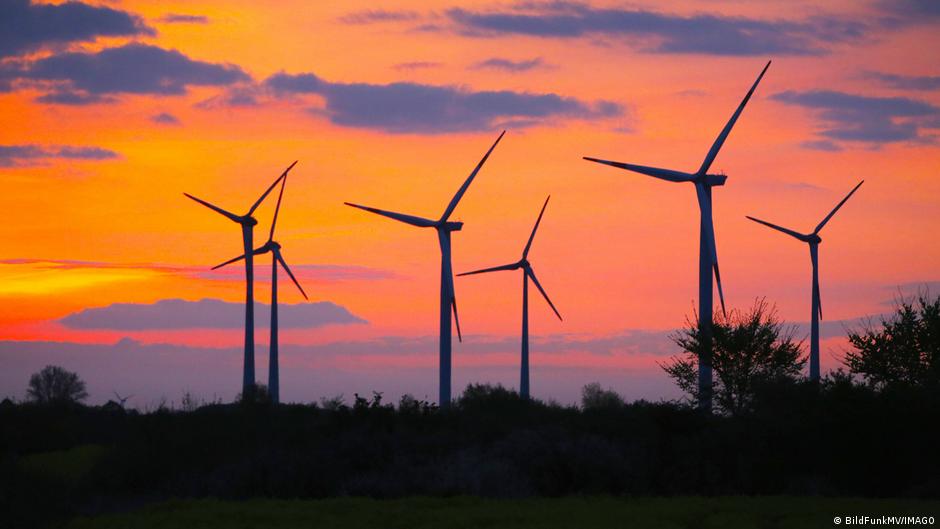
Germany announced an €8 billion, 67-measure climate protection program intended to save 27.1 million tonnes of CO2 by 2030, but new forecasts show the country needs roughly 30 million tonnes more to meet its legally binding 65% emissions cut vs 1990. Independent advisors and NGOs say the plan uses outdated figures, lacks cost-effectiveness analysis and low-income relief, and could prompt lawsuits if it fails legal requirements. Slower coal phase-out, scaled‑back EV subsidies and rising transport/building emissions — compounded by higher oil and gas prices from the Iran war — weaken Germany's green leadership and pose sectoral risks for energy, autos and carbon-intensive exporters.
Policy incoherence out of Berlin is creating a valuation bifurcation across the European clean-energy supply chain: large, global-facing OEMs can offset domestic slippage by pivoting to India, SE Asia and the US, while smaller installers and German-centric developers face a multi-quarter revenue cliff as permitting and subsidy visibility deteriorates. Expect backlog re-profiling and working-capital swings — translate into 10–30% EBITDA volatility for mid-cap turbine and heat-pump suppliers over the next 6–18 months depending on order book concentration.
A judicial or EU-level enforcement shock remains a non-linear catalyst: if regulators force accelerated carbon pricing or mandatory retrofits, the marginal economics of electrification projects improve sharply and capital flows back into grid reinforcement, storage and industrial electrification. That would lift capital returns for incumbents with project management scale (utilities, engineering contractors) while imposing a 5–15% margin hit on energy‑intensive exporters that lack near-term decarbonization paths.
Geopolitical energy-price spikes create opposing short-term and structural effects — higher fossil prices boost cashflow for commodity suppliers but simultaneously increase political appetite for accelerated electrification and local manufacturing of heat pumps, electrolyzers and wind. Time arbitrage exists: trade near-term commodity wins while positioning for medium-term structural beneficiary plays in grid, storage and decarbonization capex.
Consensus risks missing the consolidation angle: fiscal and political uncertainty compresses equity values of fragmented service providers, creating a 12–24 month window where balance-sheet-strong utilities and private-equity can buy scale cheaply. That transition favors names with capital flexibility and execution muscle rather than pure technology exposure alone.
AI-powered research, real-time alerts, and portfolio analytics for institutional investors.
Request DemoOverall Sentiment
moderately negative
Sentiment Score
-0.45
