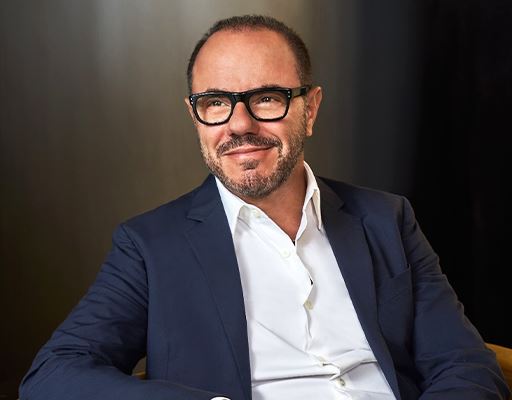
Art Basel Qatar and rising regional collectors signal meaningful growth potential in the Middle Eastern art market, which Elie Khouri estimates could realistically triple and exceed $350 million over the next decade. Progress hinges less on short-term tax incentives and more on durable investments in museums, education, residencies, curatorial and conservation capacity; collectors are shifting to global, idea-driven buying and value access to artists and scholarship, implying opportunities for patient, long-term cultural capital investors but risks from speculative, transactional entrants.
Market structure: Growth in Middle East art (Elie Khouri’s view that the market can triple to >$350m) benefits event organizers, luxury brands, high-end hospitality, and wealth managers who monetize UHNW patronage. Winners: Art-fair operator MCH Group (Art Basel owner), luxury houses (LVMH MC.PA, Kering KER.PA), premium hotel/real-estate developers in GCC (EMAAR.DU, QATARI banks like QNBK.QA via financing/wealth flows). Losers: short-term speculative online-only platforms and tokenized/NFT intermediaries that lack local relationships and cultural integration.
Risk assessment: Tail risks include sudden regulatory shifts (import duty hikes, cultural censorship) and geopolitical shocks that depress tourism and UHNW mobility; low-probability but >20% price shock to regionals if a major museum project is cancelled. Immediate (days) sensitivity is to auction/fair headlines; short-term (weeks/months) to policy announcements (tax/incentive windows); long-term (3–5 years) depends on institutional capacity building (museums, conservation, education). Hidden dependency: liquidity of art as collateral for banks — a liquidity mismatch can propagate to credit lines for developers and private banks.
Trade implications: Direct plays are long MCHN.SW and selective luxury names (MC.PA) and UBSG.S for wealth-management exposure; implement call-spreads 3–9 months ahead of major fairs to monetize event-driven volatility. Pair trades: long MC.PA / short pure-play online marketplaces (e.g., ETSY? limited) to capture premiumization. Rebalance into hospitality/REIT exposure in Qatar/UAE if policy signals (tax breaks, museum funding) cross specific thresholds (e.g., announced incentives covering >50% of import duties).
Contrarian angles: Consensus underweights education/infrastructure risk — success requires 3–5 years of staffing conservators/curators; if that fails, market reverts to trophy buying and price compression. Reaction to fair headlines may be overdone; real durable returns accrue to institutions and banks that underwrite culture, not short-lived gallery flips. Historical parallel: Hong Kong art boom post-2000s shows region can scale but only after sustained institutional investment; absent that, volatility and illiquidity persist.
AI-powered research, real-time alerts, and portfolio analytics for institutional investors.
Request DemoOverall Sentiment
mildly positive
Sentiment Score
0.30
