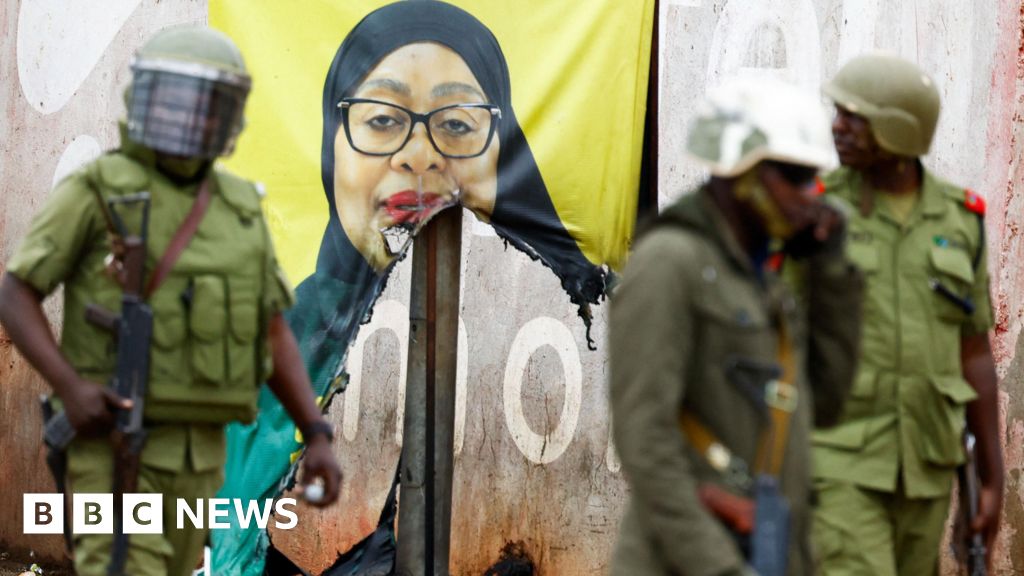
Tanzania's post-election violence left 518 people dead from unnatural causes, including 197 shot dead and more than 2,000 injured, according to the official inquiry. The report cites planned and coordinated unrest, while also calling for further investigations and a new criminal probe, highlighting major governance and political-risk concerns. The findings deepen scrutiny of President Samia Suluhu Hassan's disputed 98% election victory and the crackdown allegations surrounding the vote.
The immediate market read is not about direct asset exposure but about a regime shift in political risk premia. A state that can absorb a mass-casualty post-election crackdown and still frame it as restored order is signaling lower tolerance for dissent and higher probability of future coercive governance; that usually raises the equity discount rate for domestically exposed assets before it shows up in headlines. The second-order winner is the executive apparatus itself: security-linked procurement, surveillance, telecom monitoring, and any firms with discretionary government revenue streams could gain bargaining power, while consumer-facing and SME-heavy sectors face softer activity if households internalize a higher probability of disruption.
The bigger medium-term risk is not one violent episode but institutional erosion that bleeds into capital formation. If opposition leaders remain sidelined and the constitutional timeline slips, foreign direct investment decisions could be deferred for 2-4 quarters, especially in projects requiring stable licensing, land access, and community consent. That is most punitive for banks, insurers, and infrastructure sponsors with concentrated Tanzania exposure, because lending growth slows while credit losses rise from shuttered shops, damaged assets, and weaker informal-sector cash flow.
Consensus may be underestimating the duration of the premium. Markets often fade post-crackdown headlines once streets quiet down, but the economic drag tends to persist through permit delays, higher security costs, and a risk-off response by NGOs, multilaterals, and Western counterparties; that can compress multiples for a full fiscal year. The key reversal catalyst would be credible accountability plus visible electoral reform; absent that, each new detention, constitutional delay, or protest anniversary reopens the trade and keeps country risk expensive.
AI-powered research, real-time alerts, and portfolio analytics for institutional investors.
Request TrialOverall Sentiment
strongly negative
Sentiment Score
-0.80
