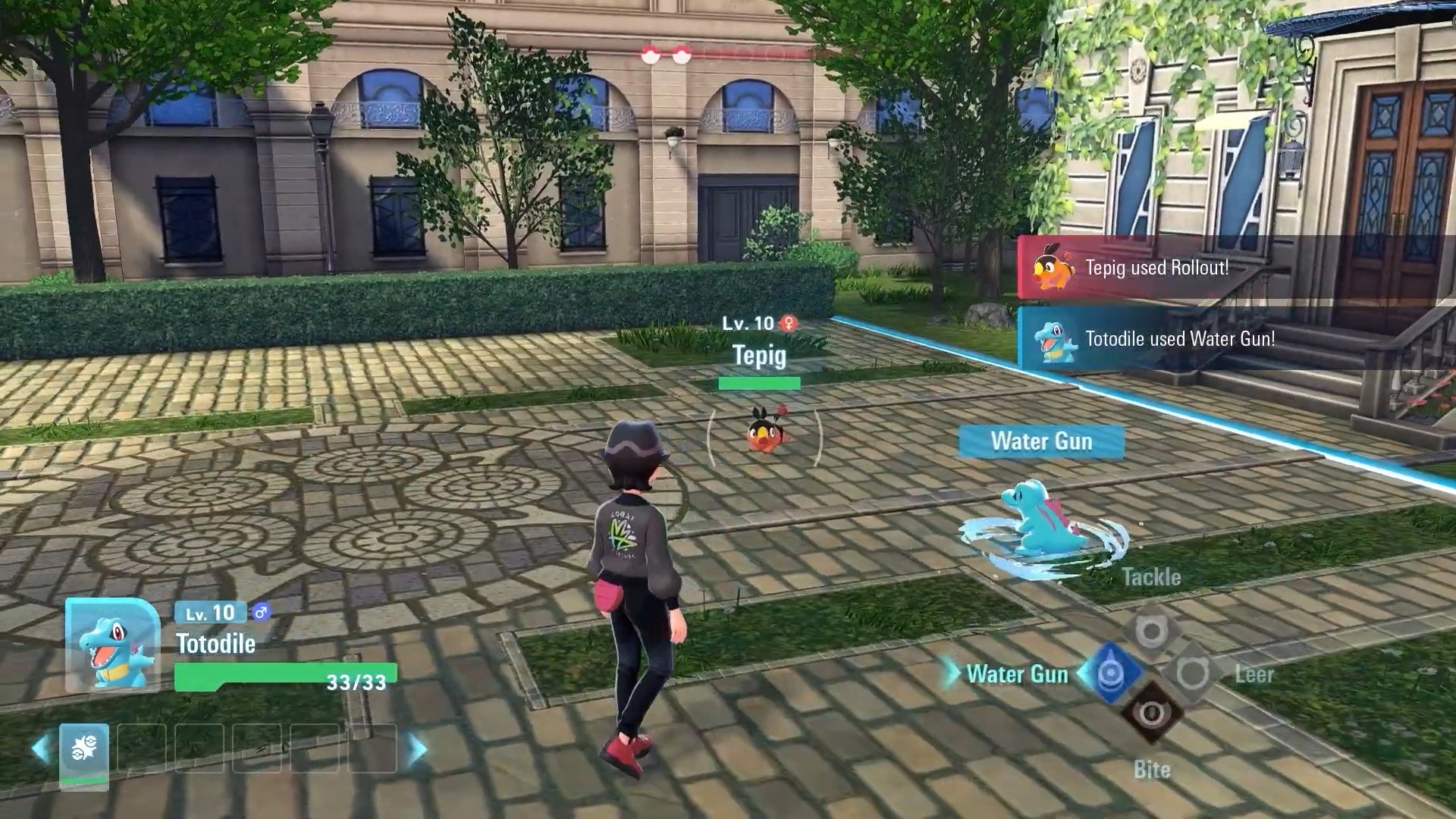
The USPTO has rejected all 26 claims in Nintendo’s US patent on summoning characters, a non-final decision that effectively revokes the patent for now; Nintendo has two months (or longer with extension) to respond and can appeal. The decision cites prior patents (Konami Yabe 2002, Nintendo Taura 2020, Nintendo Motokura 2022, Bandai Namco Shimomoto 2020) that, in combination, render 18 claims invalid and provide the linkage to invalidate the remaining eight. Practical impact: this narrows Nintendo’s enforceable IP around summoning mechanics and reduces the immediate scope for broad litigation, though a single surviving claim could still be asserted if preserved. For portfolios, expect limited near-term market movement but continued legal uncertainty for Nintendo and game developers until appeals or responses conclude.
A narrow administrative setback for a single IP filing materially reduces the enforceability edge that some platform-first incumbents had been banking on; the practical effect is a reduction in the ‘patent tax’ on creative game mechanics which lowers expected legal friction for mid-size and indie studios. Lower litigation risk compresses the time-to-market penalty for experimenting with systemic mechanics (summons, AI companions, etc.), which should increase release cadence and live-ops experimentation — a delta that compounds over 12–36 months as pipelines fill with iteration-driven content rather than defensive legal reviews.
Winners are likely to be nimble publishers and engine providers that monetize breadth and cadence rather than fortress IP — think companies with large backlogs and live services that can deploy mechanic-driven ARPU tweaks quickly. Losers are firms that had been counting on broad patents as a recurring revenue or deterrent tool (licensing revenue or selective enforcement); this re-weights relative ROIC across the sector and favors growth-by-innovation over protection-by-litigation. Second-order effects include a modest reallocation of QA and legal budgets into gameplay design and live-ops analytics, and an increased addressable market for middleware and tools that help scale companion/AI features.
Key catalysts and timeframes: expect headline-driven volatility around the next procedural filings and any appeal windows (days–weeks), with meaningful legal finality only achievable over quarters to years if higher courts weigh in. Tail risks that could reverse this thematic include a different tribunal ruling that re-expands patentability of game mechanics, or coordinated licensing settlements that reintroduce a de facto toll for certain mechanics. Monitor litigation filings, major studio design documents, and engine SDK adoption curves as leading indicators of whether developers actually change behavior.
AI-powered research, real-time alerts, and portfolio analytics for institutional investors.
Request DemoOverall Sentiment
neutral
Sentiment Score
0.00
