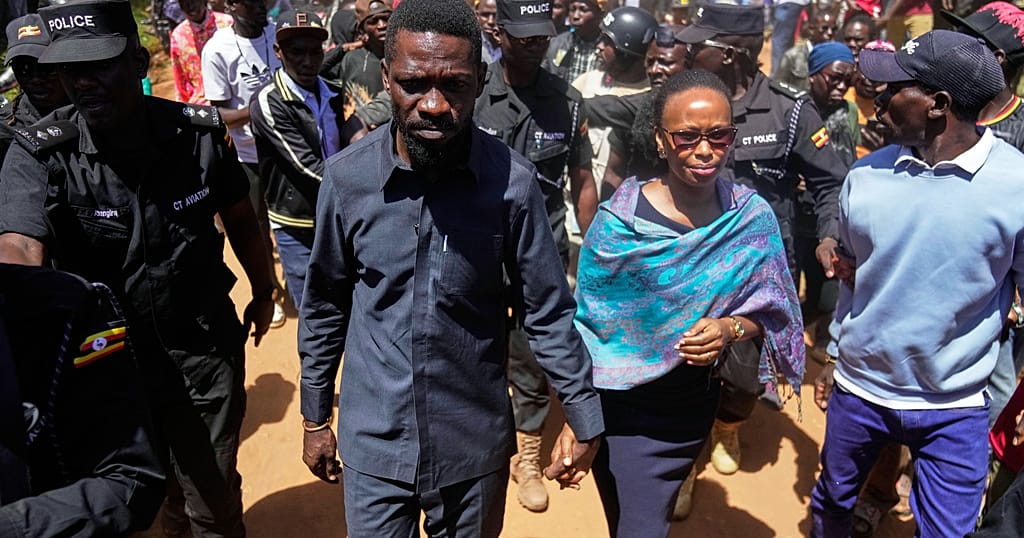
President Yoweri Museveni won a seventh term with about 72% of the vote versus 25% for Bobi Wine, according to the Electoral Commission, in an election marked by internet shutdowns and heavy repression. Army chief Muhoozi Kainerugaba, Museveni’s son, said security forces have arrested roughly 2,000 opposition supporters and killed 30, while opposition figures report raids, at least ten campaign staff killed in one district and hundreds detained; observers and NGOs criticized the crackdown. The violence and accusations of a stolen election raise near-term political-stability and reputational risks for Uganda, with potential negative implications for sovereign risk and investor sentiment in the country and the region.
Market structure: Political violence and a heavy-handed security response in Uganda will directly hurt domestic banks, telecoms and frontier-focused funds through capital flight and transaction disruption while benefiting safe-haven and security suppliers. Expect immediate USD demand vs. UGX, wider sovereign spreads and outflows from frontier Africa ETFs; marginal winners include gold (GLD) and US Treasuries (TLT) as capital seeks liquidity. Cross-asset reaction should show EM credit spreads widening (EMB) and local FX weakness within 48–72 hours.
Risk assessment: Tail risks include escalation to sustained insurgency, targeted Western sanctions, or Chinese-debt restructuring support—each could move Uganda-specific CDS +200–500bps and trigger multi-quarter investment freezes in oil/infrastructure projects. Short-term (days–weeks): liquidity-driven FX and ETF volatility; medium (3–12 months): project delays, higher borrowing costs; long-term (1–3 years): reallocations of Chinese/Western aid altering sector winners. Hidden dependencies: donor aid, regional trade corridors and Chinese contractors could blunt or amplify shocks.
Trade implications: Tactical hedge and relative-value trades favored: long USD and gold, short EM credit/EM equity exposure to capture spread widening and risk-off flows; use options to cap downside. Size entry small (1–3% NAV) and scale to volatility triggers (EMB spread move +50bps, EEM down >5%). Reassess at 1 month and trim if markets stabilize or embargoes are announced.
Contrarian angles: Consensus will overprice Uganda’s weight in EM indexes — a targeted sell-off can create opportunities in non-Uganda African assets with strong cashflows; if EMB recovers within 3 months by >100bps, rotate back into EM equities. Historical parallels: country-specific unrest often causes 3–9 month dislocations rather than permanent declines; downside is sanctions forging closer China ties, which could lengthen recovery and shift beneficiary chains to Chinese contractors.
AI-powered research, real-time alerts, and portfolio analytics for institutional investors.
Request DemoOverall Sentiment
strongly negative
Sentiment Score
-0.60
