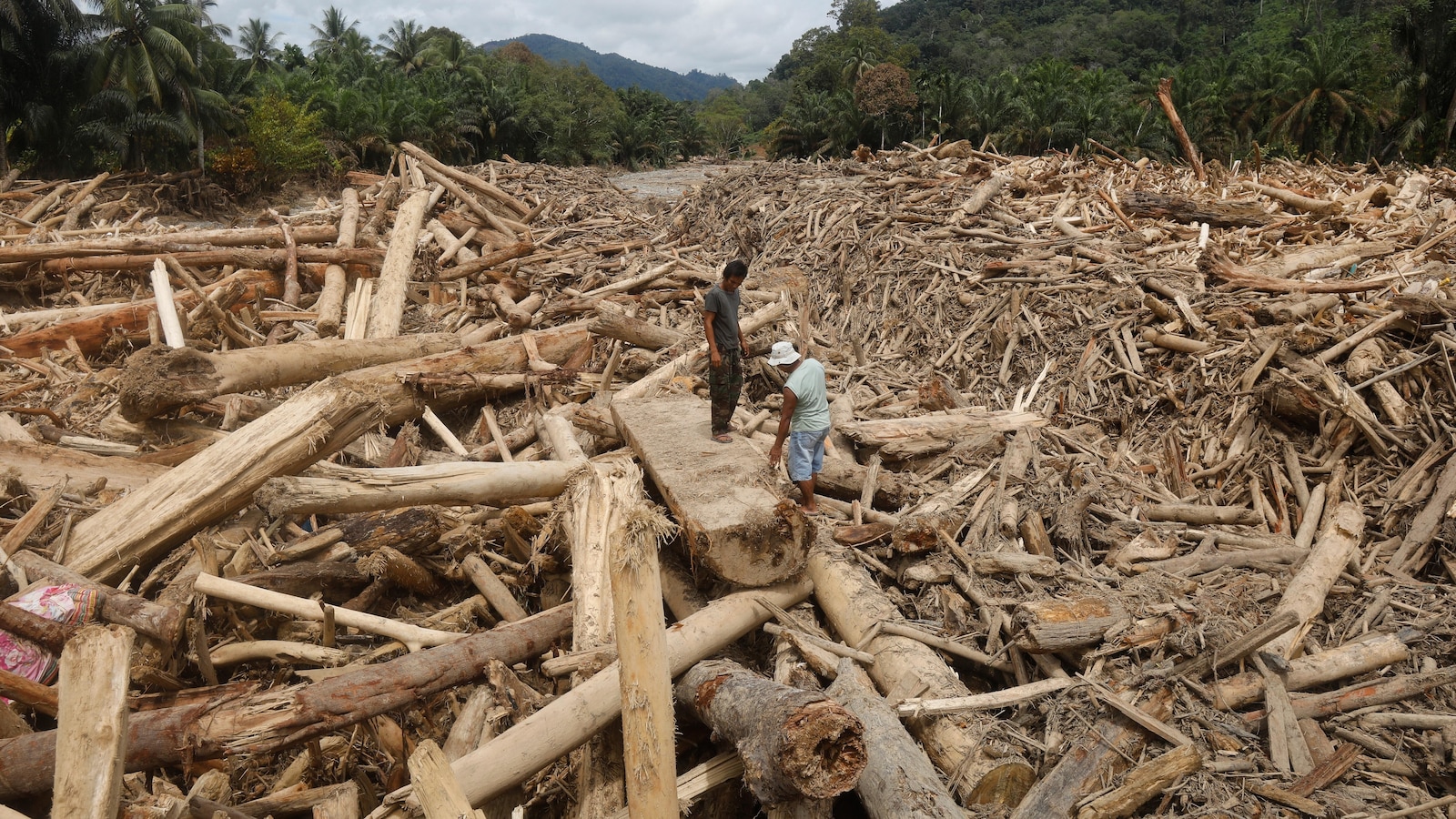
Monsoon floods and landslides across Indonesia, Sri Lanka, Thailand and Malaysia have killed at least 1,306 people (712 in Indonesia, 410 in Sri Lanka, 181 in Thailand, 3 in Malaysia) and left more than 800 missing, with widespread destruction of homes and critical infrastructure including washed-out roads and collapsed bridges. North Sumatra experienced millions of cubic meters of felled timber swept away, prompting concerns that deforestation and illegal logging exacerbated the disaster, while Thailand announced an initial compensation payout of 239 million baht (~$7.4m) to 26,000 people. The damage will strain regional public finances, disrupt logistics and local economic activity, and likely increase near-term spending on restoration, emergency response and land‑use/ESG enforcement.
Market structure: Immediate winners are regional construction-materials and heavy-equipment suppliers (cement, steel, aggregates) as multi-quarter reconstruction lifts demand by an estimated 10–30% regionally; short-term losers include local property developers, tourism operators and agricommodities exposed to plantation damage (palm/fruit). Reinsurance and specialty contractors gain pricing power—expect cat-reinsurance rate hardening over the next 3–12 months and elevated freight/logistics demand as roads are rebuilt. FX and EM sovereign spreads should widen for Sri Lanka and vulnerable Indonesian provinces, pressuring local bonds and lifting haven assets (USD, JPY, gold).
Risk assessment: Tail risks include regulatory backlash (immediate logging bans or export curbs) that could spike timber prices and disrupt plantation revenues, and fiscal strain in Sri Lanka that could push sovereign default risk materially higher within 3–6 months. Short-term operational risks: access, insurance claim timing and under-reporting of losses; long-term risks: accelerated deforestation regulation raising input costs for pulp/wood firms. Catalysts to monitor: government reconstruction budgets (> $300m), reinsurer loss announcements (> $1bn aggregate) and new logging restrictions within 30–90 days.
Trade implications: Tactical longs: cement and construction materials in Indonesia/Thailand (3–12 month horizon) and selective long reinsurer exposure to play pricing tailwind after a pullback; tactical shorts: Sri Lanka sovereign paper and high-leverage local developers with >50% revenue exposure to affected provinces. Use options to buy protection/optionality—buy 3–6M call spreads on large reinsurers after a >8% pullback and 1–3M put collars on regional tourism names if tourism revenue guidance falls >20%. Scale in over 2–6 weeks as loss estimates and tender flow become visible.
Contrarian angles: Consensus may overweight pure EM risk-off; underowned is exposure to regional infrastructure suppliers and listed cement firms which historically outperform for 6–24 months post-disaster (post-2004 parallels). Reaction could be overdone in Thai tourism equities—short-term pain but selective picks (airport/logistics owners) recover faster once reconstruction capital gets allocated. Watch for unintended winners: legal timber producers and engineered-wood manufacturers if strict logging curbs are enacted, which could raise margins materially over 6–18 months.
AI-powered research, real-time alerts, and portfolio analytics for institutional investors.
Request DemoOverall Sentiment
moderately negative
Sentiment Score
-0.60
