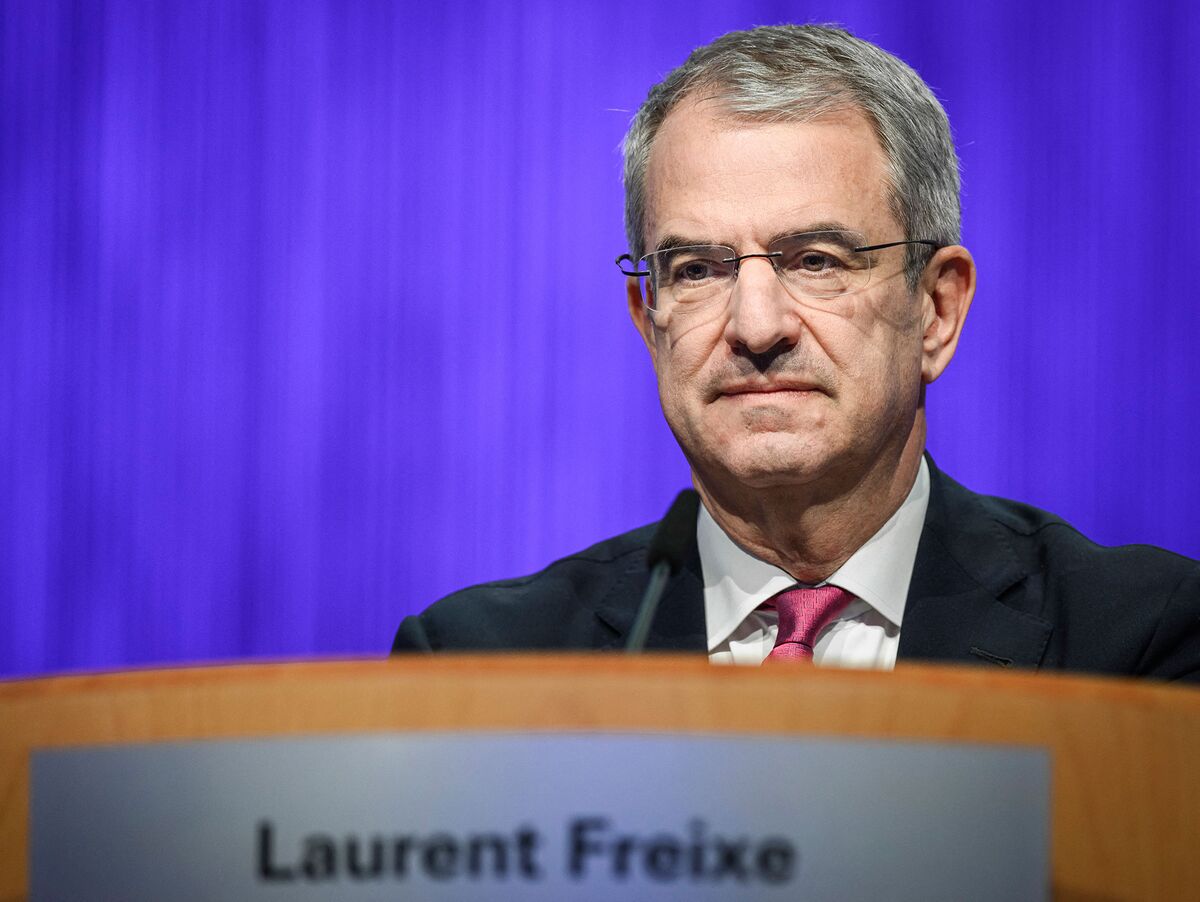
Former Nestlé CEO Laurent Freixe still lists himself as CEO on LinkedIn more than six months after being fired for not disclosing an internal office relationship; current CEO Philipp Navratil is also listed on the same platform. The issue signals a governance and communications lapse and a modest reputational risk, but is unlikely to have a material financial impact on Nestlé absent further escalation or regulatory action.
A breakdown in perceived governance credibility at a mega-cap food conglomerate has outsized portfolio consequences because passive/ESG reallocations and active managers both react more to governance signals than to short-term operational metrics. Expect measurable index/ETF reweighting pressure within 1–3 months if governance ratings providers or large passive funds flag the company; for a single mega-cap this can translate to forced flows in the low hundreds of millions rather than mere headline noise.
Second-order operational effects show up through higher counterparty friction: suppliers and joint-venture partners re-price terms, talent retention costs rise, and D&O insurers increase premiums at the next renewal cycle — conservatively a 5–15% bump to governance-related insurance line items and 10–30 basis points higher cash SG&A over 6–18 months for companies with similar profiles. Competitors with demonstrably stronger governance stand to capture not just investor flows but also negotiated supplier advantages and faster M&A optionality, creating a durable relative-performance channel.
Key catalysts to watch are (1) formal governance-score downgrades or AGM shareholder proposals over the next 3–9 months, (2) regulatory inquiries or class-action filings within 3–12 months, and (3) board-level remediation (independent review, new committee charters, director turnover) which would materially reverse investor sentiment. The most likely time horizon for a sustained relative re-rating is 3–12 months; absence of credible remediation within that window raises the chance of activist interest or structural reweighting by large passive holders.
AI-powered research, real-time alerts, and portfolio analytics for institutional investors.
Request DemoOverall Sentiment
neutral
Sentiment Score
0.00
