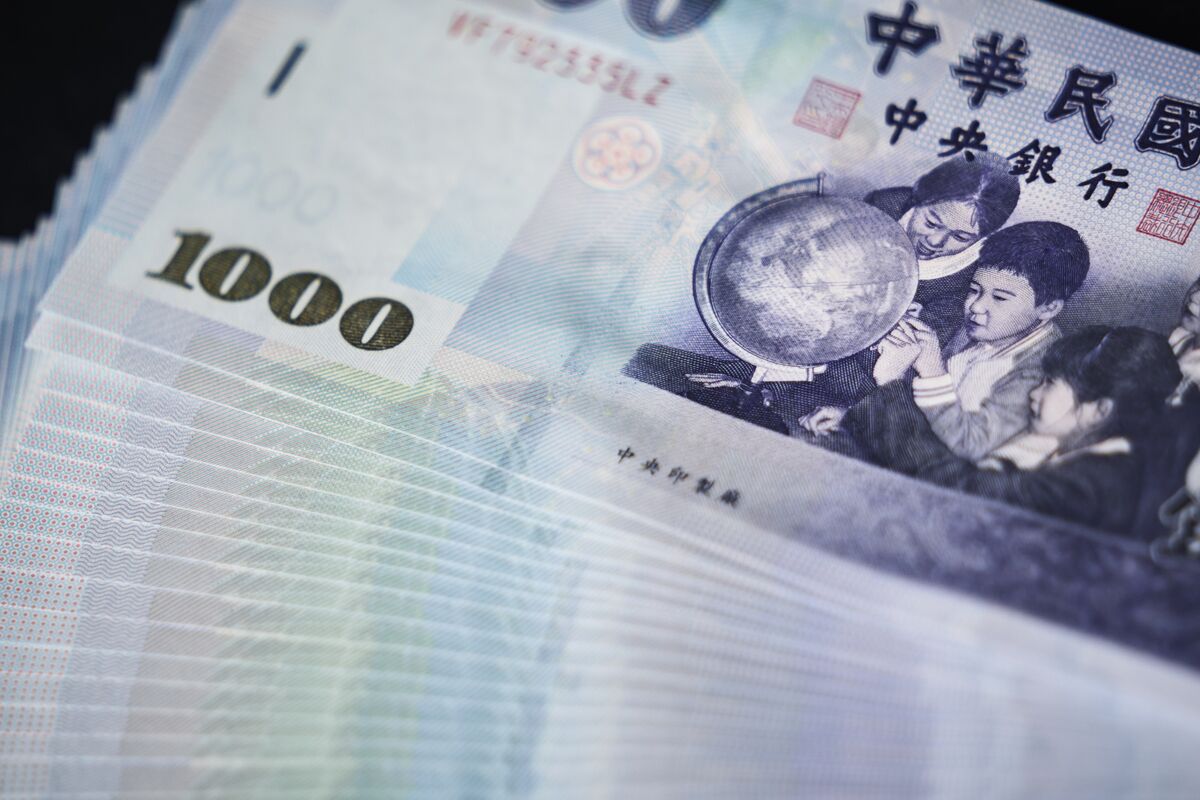
Taiwan's central bank faces significant constraints in managing the rallying Taiwanese dollar, with limited capacity for further intervention in the second half of the year. This restriction stems from the need to avoid a 'currency manipulator' designation by the US Treasury, which caps net foreign currency purchases at 2% of GDP. Following heavy interventions in H1, the CBC now has an estimated $4.5 billion buffer for such operations, potentially allowing for continued TWD appreciation if intervention remains limited.
The Central Bank of the Republic of China (CBC) faces a significant challenge in managing the appreciating Taiwanese dollar (TWD) due to stringent US Treasury criteria. To avoid a "currency manipulator" designation, the CBC must limit net foreign currency purchases to below 2% of gross domestic product over a 12-month period. This constraint severely restricts the central bank's intervention capabilities.
Following substantial interventions in the first half of the year, the CBC now possesses an estimated buffer of only $4.5 billion for further operations in the second half. This limited capacity, calculated by Bloomberg, suggests that the TWD's rally may continue with reduced central bank resistance. The situation reflects a moderately negative sentiment and cautious tone regarding Taiwan's monetary policy flexibility.
This delicate balance implies potential implications for Taiwan's export-oriented economy, as a stronger TWD could erode competitiveness. The ongoing currency dynamics highlight the interplay between monetary policy, trade policy, and economic data, warranting close observation by institutional investors.
AI-powered research, real-time alerts, and portfolio analytics for institutional investors.
Request DemoOverall Sentiment
moderately negative
Sentiment Score
-0.35
