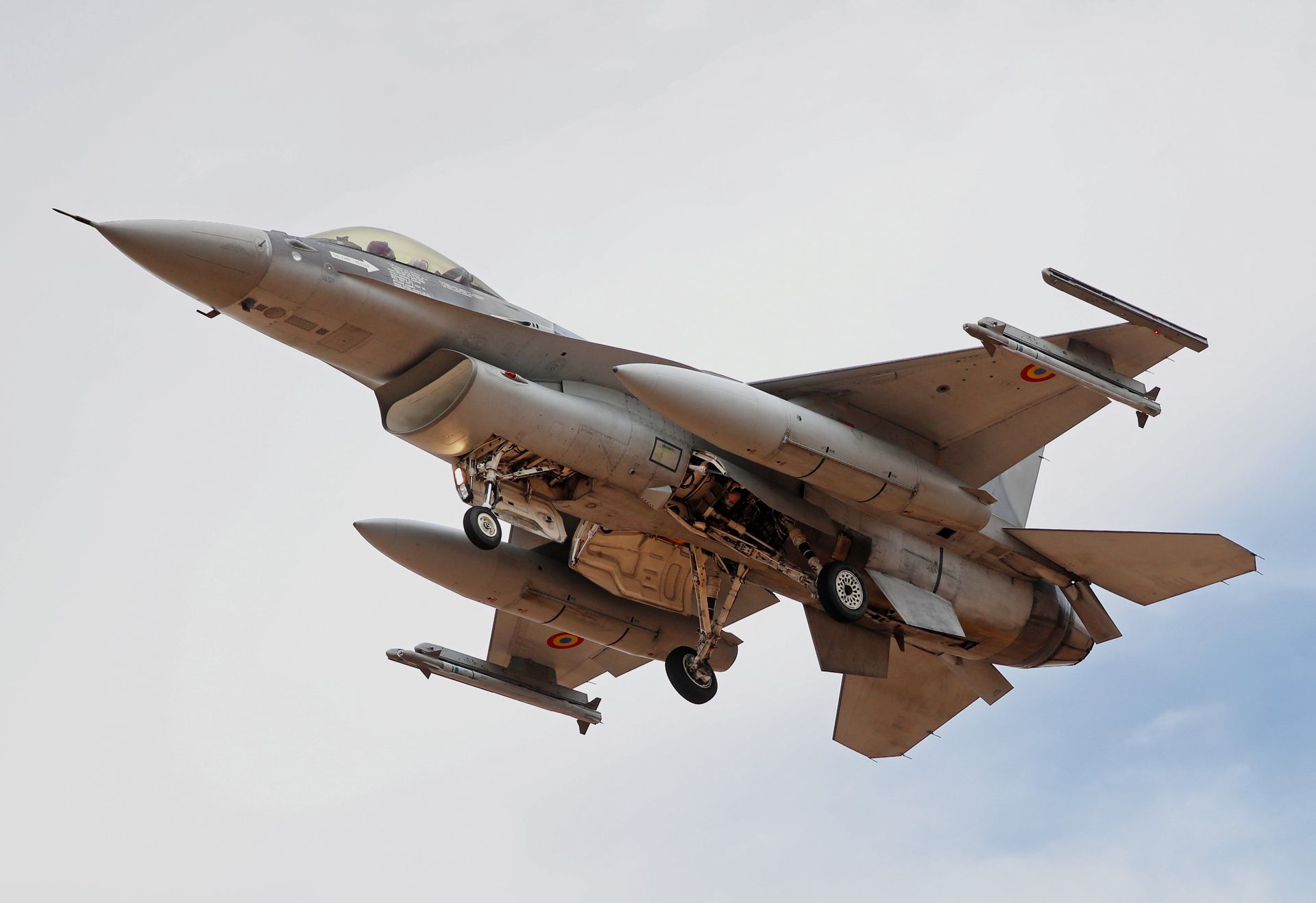
A NATO fighter jet shot down a suspected Ukrainian drone over central Estonia on May 19, marking the first such incident in Estonian airspace. Latvian and Estonian authorities also reported drone alerts and tracked incursions linked to Ukraine's strikes on northwest Russia, with no casualties reported. The episode underscores heightened regional security risk and ongoing NATO air policing sensitivity along the Baltic border.
The immediate market read is not about escalation in the Baltics per se, but about a higher probability distribution for air-defense spending and interceptor consumption across NATO’s eastern flank. Each additional cross-border drone event widens the perceived gap between cheap offensive UAVs and expensive point-defense systems, which is structurally bullish for layered air-defense, radar, and command-and-control vendors over the next 12-24 months. The first-order headline looks noisy, but the second-order effect is procurement urgency: even minor incidents tend to fast-track budget reallocation into counter-UAS and integrated air defense rather than new legacy platforms. The bigger underappreciated implication is operational strain on small NATO air-policing detachments. Scrambling fighters for low-cost drones is an economically unfavorable exchange ratio, so repeated incidents increase pressure for persistent sensors, EW, and mobile SHORAD coverage in the Baltics; that shifts demand toward companies with software-defined air-defense stacks and away from pure kinetic intercept solutions. This also increases the premium on ammunition inventories and readiness metrics, which can tighten lead times for seekers, missiles, and spare parts even if headline defense budgets do not move immediately. Contrarian view: the market may overestimate the durability of this catalyst if incidents remain isolated and politically de-escalatory. A rapid diplomatic channel between Kyiv and NATO capitals could normalize these events as operational spillover, muting procurement urgency after the initial news cycle. The real risk case is not one drone landing in a field; it is a pattern of near-miss incidents that forces NATO to redesign Baltic air policing over months, which would be a much more material revenue driver for defense suppliers than the headline itself suggests.
AI-powered research, real-time alerts, and portfolio analytics for institutional investors.
Request DemoOverall Sentiment
mildly negative
Sentiment Score
-0.20
