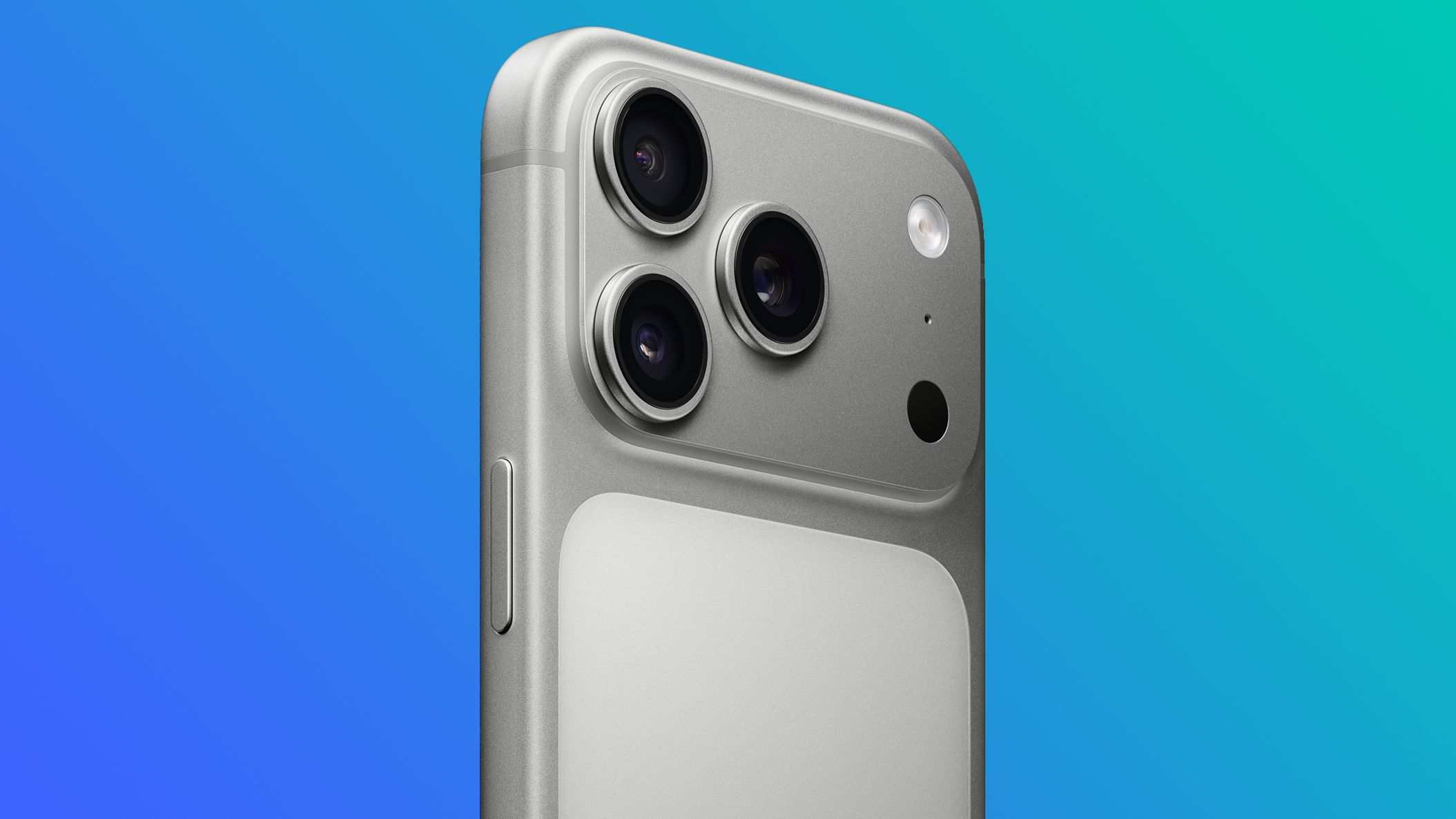
Apple plans minimal exterior changes for the iPhone 18 lineup, instead positioning the devices around performance upgrades driven by A20/A20 Pro chips reportedly built on a 2nm process; iPhone 18 Pro/Pro Max are expected later this year with camera and modem improvements, while the base iPhone 18 may follow in early 2027. Separately, Apple confirmed an acquisition of Israeli AI startup Q.ai for roughly $2 billion and is preparing refreshed MacBook Pros with M5-series chips, signaling continued investment in silicon and AI that should modestly support Apple’s product-driven revenue outlook.
Market structure: Apple (AAPL) is the clear beneficiary — design continuity plus a headline A20 2nm upgrade preserves ASP power and increases component content per device, likely supporting AAPL margins and TSMC (TSM) wafer demand. Peripheral suppliers (accessory makers, some camera-module specialists) face lower upgrade pull if external design novelty is limited; semicap names (ASML) and materials suppliers gain from a 2nm ramp. Cross-asset: stronger AAPL cadence should compress its credit spreads (IG) and reduce near-term equity implied volatility (~10-20% potential IV compression around the launch window), while boosting demand for semicap equities and related cyclical commodities (high-purity gases, silicon wafers).
Risk assessment: Tail risks include a 2nm yield ramp delay at TSMC, a regulatory hit from antitrust/China market restrictions, or AI integration failures from the Q.ai purchase — each could knock 10-25% off consensus incremental revenue. Time horizons: immediate (days) = muted news-driven moves; short-term (weeks–months) = launch/earnings reactions; long-term (12–24 months) = realized margin and services monetization from new silicon/AI. Hidden dependencies: Apple’s allocation of 2nm wafers, modem supplier choices (C2 supply chain), and carrier subsidies in China/US; monitor TSMC capacity guidance and Apple’s ASP/unit guidance as catalysts.
Trade implications: Tactical plays should favor AAPL equity exposure into H2 2026 Pro launch and semiconductors (TSM, ASML) on a 6–12 month horizon, with limited exposure to small-cap Apple suppliers that priced a bigger redesign. Use buy-call spreads (3–6 month) to capture launch upside while limiting theta; consider pair trades long TSM/ASML vs short small-cap camera/module vendors or regional OEMs if valuation vs fundamentals diverges. Size trades to 1–3% of portfolio per position and define stop-losses (8–12%).
Contrarian angles: Consensus assumes Apple launches = broad supplier rally; historique “S” cycles (e.g., post-iPhone 6S/SE) show Apple outperforms suppliers because Apple captures most margin. If design continuity reduces replacement rates by even 2–4% YoY, suppliers could be repriced down 15%+, while AAPL still benefits from services and silicon — the market may be underweight that asymmetry. Watch for overbought supplier names and for AAPL guidance that misses unit growth by >3% as a trigger to rotate into semicap/AI software names instead.
AI-powered research, real-time alerts, and portfolio analytics for institutional investors.
Request DemoOverall Sentiment
mildly positive
Sentiment Score
0.22
Ticker Sentiment
