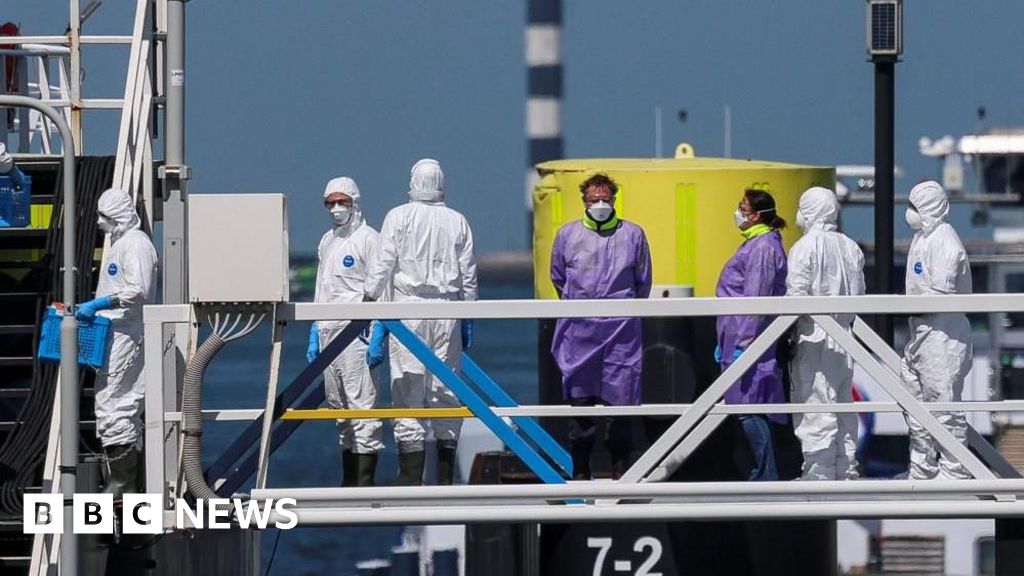
The MV Hondius docked in Rotterdam after a hantavirus outbreak that left 3 people dead, including a Dutch couple and a German woman, with 2 deaths confirmed to involve the virus. The World Health Organization has reported 10 cases so far, including 8 confirmed and 2 suspected. The ship is set to be cleaned and the crew will self-isolate while additional samples are tested.
This is not a generic cruise headline; it is a reputational shock layered on top of an operational biosecurity event. The immediate market impact is likely to show up first in the weakest part of the leisure stack: smaller expedition and niche cruise operators, shore excursion vendors, and insurers exposed to medical evacuation / liability claims, where one event can drive outsized premium repricing even if the absolute case count is small.
The second-order effect is that ports and operators will tighten health screening, cleaning, and isolation protocols across the sector, which raises turnaround friction and modestly reduces asset utilization. For cruise lines already running close to capacity, even a 1-2 day increase in pre-sail inspection or deep-clean requirements can meaningfully affect yield management because a missed sailing is far more expensive than incremental sanitation cost.
The bigger medium-term risk is consumer memory: outbreaks tied to a ship tend to disproportionately hit booking curves for the same brand for 1-2 quarters, especially in the shoulder season when travelers have more substitution options. That creates a relative opportunity in diversified travel beneficiaries that are less tied to enclosed, group-based experiences, while the direct cruise complex could see higher discounting and softer onboard revenue conversion if management starts leaning harder on pricing to defend occupancy.
Contrarian read: the headline probably overstates systemic pandemic risk and understates operational resilience. Hantavirus is not a broad retail-demand killer like COVID; the more durable impact is on insurance, compliance, and brand trust rather than sector-wide cancelations. That argues for trading dispersion rather than a blanket short on all travel, with the best setup being short the most incident-sensitive names versus long businesses that benefit from deferred spend shifting to flights, hotels, and independent travel.
AI-powered research, real-time alerts, and portfolio analytics for institutional investors.
Request DemoOverall Sentiment
strongly negative
Sentiment Score
-0.55
