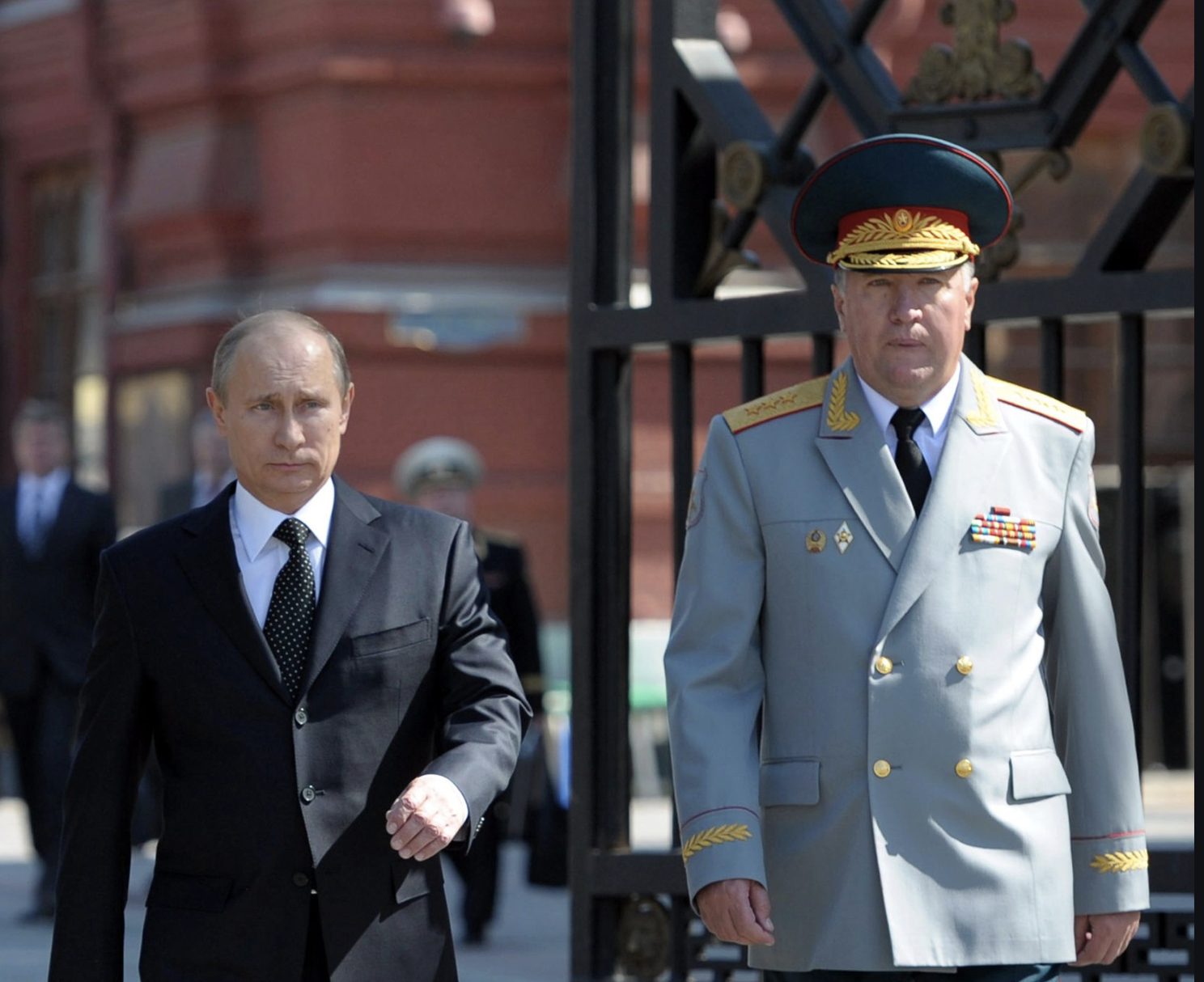
Vladimir Chirkin, former commander of the Russian Ground Forces, publicly criticized Moscow's full-scale invasion of Ukraine, saying Russia was unprepared, underestimated Ukraine and overestimated its own forces, and citing flawed intelligence that contributed to the withdrawal from Kyiv Oblast. His remarks—unusual at a senior level—underscore elite dissatisfaction and highlight operational failures and heavy losses, while the piece notes intensified domestic repression since 2022, including criminal penalties for critics and more than 21,000 people penalized in 2022 per Amnesty International. For investors, the comments signal heightened political and military risk in Russia that may complicate policy predictability and risk premia on Russia- and region-exposed assets.
Market structure: The public, high-level admission of Russian unpreparedness increases relative demand for Western defense exposure (Lockheed LMT, Northrop NOC, RTX) and for NATO logistics suppliers, while deepening downside for Russia-exposed equities and sovereign debt (RSX, Russian local bonds). Energy suppliers (XOM, CVX) gain optionality from heightened tail risk to Russian hydrocarbons; pricing power shifts to diversified producers if EU/Russia energy flows are disrupted, with potential oil/gas spreads widening by 10–30% in stress scenarios.
Risk assessment: Immediate (days) risk is a risk-off leg—FX pressure on RUB and widening Russia CDS; near-term (weeks–months) is re-rating of defense contractors and energy vol; long-term (quarters+) risks include protracted sanctions, secondary banking exclusions, or domestic Russian instability that could cut exports. Tail events: an escalation or comprehensive embargo could push Brent >$120 (+30–60% from current), USD/RUB >120, and trigger EM contagion; hidden dependencies include China’s diplomatic/energy stance and EU gas storage levels.
Trade implications: Tactical plays favor small overweight in large-cap defense (2–4% positions), long energy optionality via Brent call spreads, and selective short Russia/EM exposures (RSX, sovereign bonds) hedged with Treasuries. Use options to manage timing—buy 3–6 month call spreads on Brent and long-dated calls on LMT/NOC to capture multi-quarter re-rates while limiting downside.
Contrarian angles: Consensus may already bid defense names; the market underprices a political fracturing scenario that temporarily tightens exports and spikes energy—this asymmetry favors modest energy optionality over outright long equities. Conversely, absent escalation, defense multiple expansion could reverse; plan exits on de-escalation signals (NATO supply pauses, Kremlin conciliatory statements) and be ready to trim energy longs on sustained Brent reversion below $80.
AI-powered research, real-time alerts, and portfolio analytics for institutional investors.
Request DemoOverall Sentiment
moderately negative
Sentiment Score
-0.45
