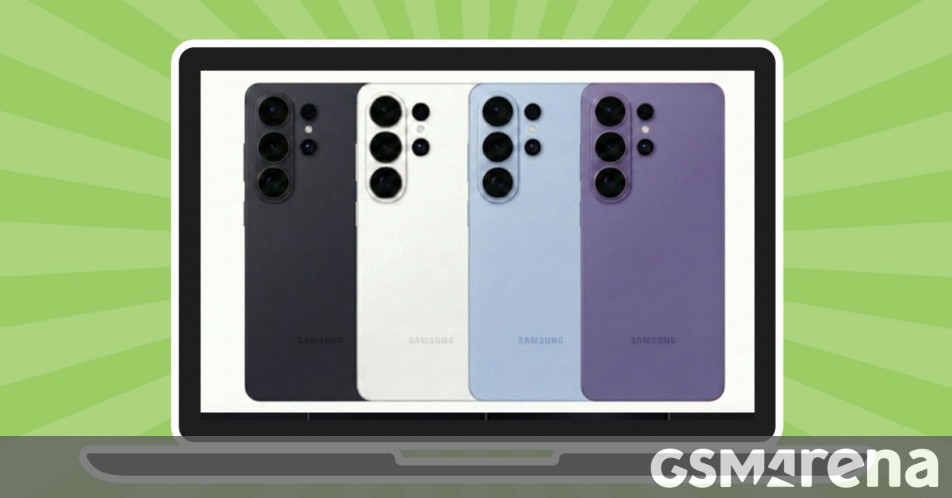
Asus has confirmed it will cease making new smartphones to reallocate resources toward R&D for commercial PCs and “physical AI” devices (robotics and smart glasses) while continuing support for existing phones, a strategic shift with implications for its mobile revenue trajectory. Samsung’s Galaxy S26 launch is scheduled for Feb. 25 with staged pre-order and sale windows beginning Feb. 26 and Mar. 11 respectively, while handset news from Honor (Magic8 Pro Air specs), TENAA-listed Galaxy A57 specs (6.6" display, Exynos 1680 up to 2.9GHz, 50MP main), iQOO 15 Ultra performance claims (4.5M AnTuTu, Dimensity 9500s) and iPhone 18 Pro LTPO+ OLED developments (panels only from Samsung/LG) may inform component supplier exposure and short-term consumer device cycles; OnePlus shutdown rumors were officially denied.
Market structure: Asus exiting smartphones cedes a tiny but strategically visible share of the niche premium/gaming handset market to competitors (Xiaomi, Samsung, vivo). The larger, higher-impact signal is OEM reallocation toward commercial PCs and “physical AI” (robotics, smart glasses) — that redirects capex and R&D budgets and increases near-term demand for sensors, optics, and specialized SoCs. Panel supply tightness is reinforced because only Samsung Display and LG Display can build LTPO+ OLEDs, giving them leverage to lift ASPs by an estimated 5–15% if adoption accelerates over the next 6–12 months.
Risk assessment: Tail risks include a regulatory hit to AR/AI wearables (privacy bans) or a sudden capacity expansion by Chinese fabricators that collapses panel pricing. Immediate (days) reaction windows center on product launch cadence (Samsung S26: pre-orders Feb 26, sales Mar 11); short-term (weeks–months) risks are pre-order execution and component shortages; long-term (quarters–years) is platform shifts to AI hardware with uneven winners. Hidden dependencies: sensor and lens supply (Sony, Largan analogs) and foundry allocations (TSMC/SMIC) could bottleneck new-product ramps.
Trade implications: Favor suppliers to LTPO+/sensor-led upgrades and high-performance SoCs (Samsung Display 034220.KS / SSNLF, LG Display 034220.KS, Sony SONY) and select chipmakers (MediaTek/Qualcomm) that win mobile/AI sockets. Reduce exposure to small OEMs reliant on high-margin gaming phones (Asus 2357.TW) and specialized boutique brands that risk margin erosion. Use near-term event windows (Feb 25–Mar 11) to play volatility; anticipate a 2–8% knee-jerk move in OEM equities around launches.
Contrarian angles: The market underestimates the size of “physical AI” spend — robotics and smart glasses could create a multi-year replacement cycle for sensors and compute (~$5–10B incremental TAM over 3 years). The Asus exit is not a signal of smartphone market collapse but of product-level margin compression; that suggests consolidation and pricing discipline, not a pure demand decline. If panel ASPs rise >8% QoQ, the consensus trade (long OEMs, short suppliers) will be wrong; suppliers will re-rate higher.
AI-powered research, real-time alerts, and portfolio analytics for institutional investors.
Request DemoOverall Sentiment
neutral
Sentiment Score
-0.05
