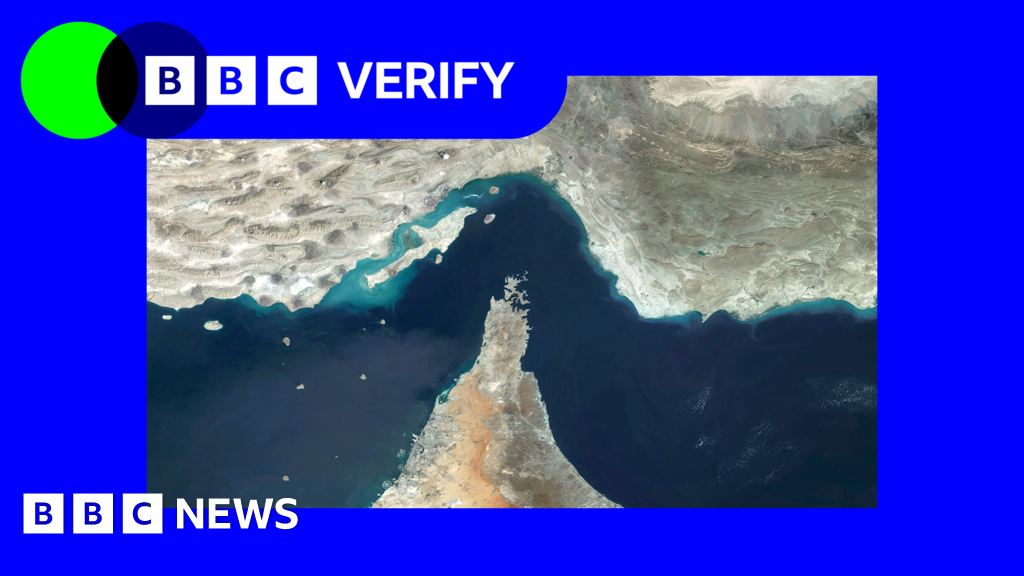
Iran reportedly seized the Honduras-flagged Hui Chuan in the Gulf of Oman, with UKMTO saying the vessel is now bound for Iranian territorial waters. The incident comes alongside a separate attack on the Indian-flagged Haji Ali off Oman, where 14 crew were rescued after a reported fire and suspected explosion. The developments heighten Strait of Hormuz risk and could pressure shipping, insurance, and regional energy transit sentiment.
This is a classic maritime-risk escalation that matters less for the individual hulls involved than for the implied change in operating environment. The key second-order effect is not just higher insurance premiums; it is tighter frictions on every Gulf/Arabian Sea routing decision, which can quietly tax delivery schedules, raise working-capital needs, and widen bid-ask spreads in freight-sensitive cargoes over the next 1-6 weeks. The market tends to underprice how quickly captains, underwriters, and charterers re-route once seizure risk becomes non-zero in a narrow corridor. The bigger concern is contagion into energy logistics and adjacent supply chains. Even without a sustained physical disruption to Hormuz, repeated incidents can force precautionary slowdowns that effectively reduce throughput before any formal blockade exists, which is the more plausible near-term tail risk. That creates a bifurcation: tanker and marine insurance beneficiaries versus firms with Gulf exposure in chemicals, bulk shipping, and electronics supply chains that rely on just-in-time inventory replenishment through the region. The contrarian angle is that the market may overestimate the probability of a prolonged supply shock while underestimating the persistence of the risk premium. Iran can create a lot of noise with limited resources; the more durable impact is likely not a one-time spike in oil but a regime shift in routing and security costs that can last months. If the event remains episodic, the direct macro hit fades quickly, but the secondary winners in defense, surveillance, and marine services can re-rate on recurring demand rather than one-off headlines.
AI-powered research, real-time alerts, and portfolio analytics for institutional investors.
Request DemoOverall Sentiment
strongly negative
Sentiment Score
-0.55
