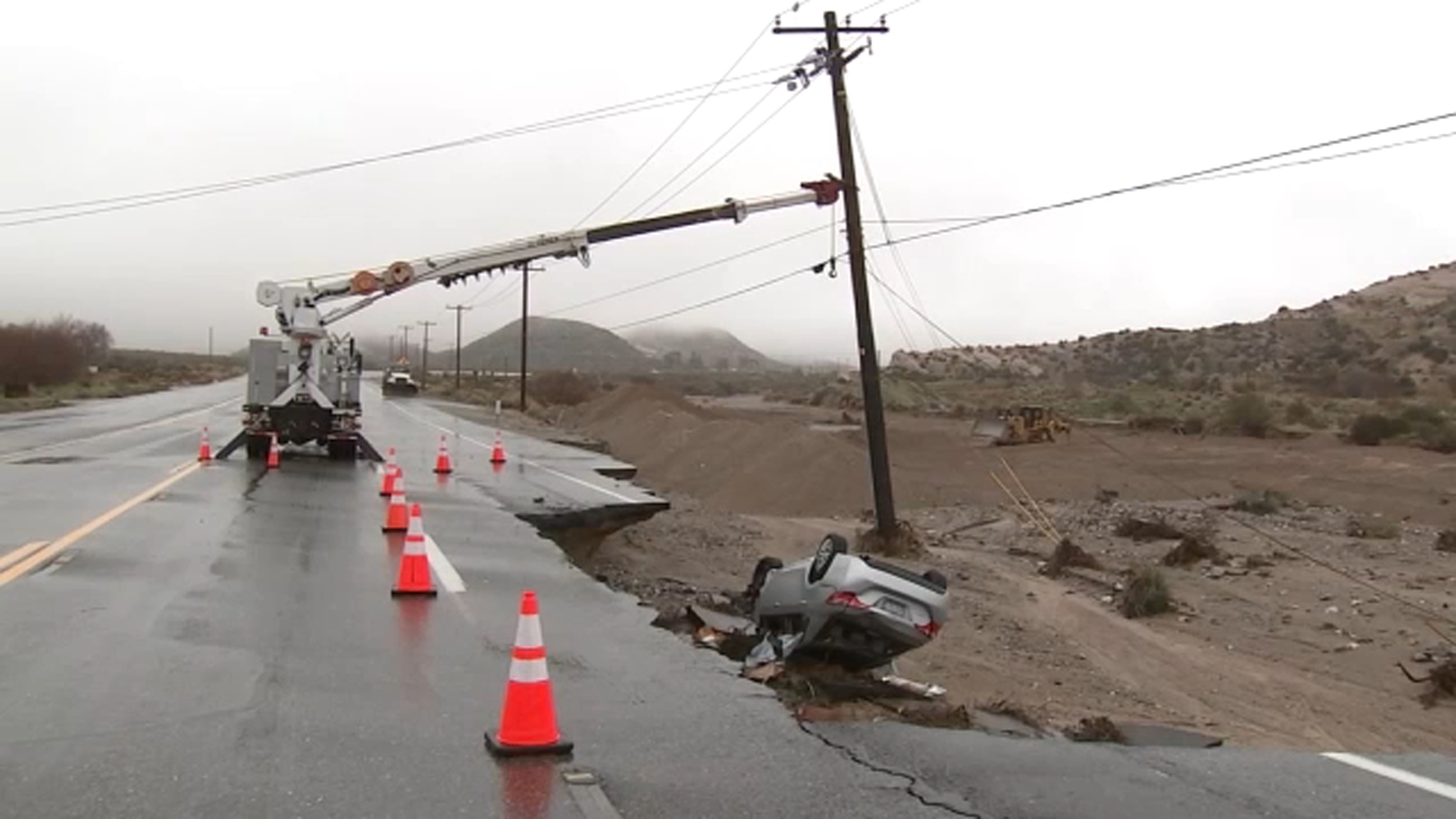
Heavy rains and resulting mudslides in Wrightwood, Calif. have prompted cleanup and damage assessments after Evacuation Warnings were lifted; video and field reports show streets and vehicles buried in several feet of mud and charred debris. Officials estimate about 50 homes appear damaged so far, roughly 3,000 Southern California Edison customers remain without power, and more than 100 residents in the Happy Jack neighborhood are cut off after their access bridge washed away; Highway 2 and the 138 remain open but sections need reinforcement. The area’s runoff was worsened by recent burn scars from the Bridge Fire, implying near-term infrastructure repair costs, localized utility service risks and potential insurance claims, but the event is unlikely to move broader markets.
Market structure: Localized mudslides after recent burn scars create immediate winners among aggregate suppliers, heavy-equipment OEMs, civil contractors and generator/diesel suppliers while homeowners, local roads departments and Southern California Edison (EIX) face direct costs. Expect municipal contractors and materials firms to gain short-term pricing power on road-repair and revegetation work; supply pressure for aggregates/diesel could lift regional spot prices by mid-single digits for 1–3 months if multiple burn-scarred watersheds are impacted.
Risk assessment: Tail risks include a sequence of atmospheric-river events across multiple burn scars that convert a localized loss into a large CA-wide insured event (> $500m) or trigger CPUC/legislative probes into utility resilience, which could force costly retrofits. Immediate timeline: days for outages and access; 2–12 weeks for contracting and repairs; 3–12 months for insurance/regulatory outcomes and property-value adjustments. Hidden dependencies include reinsurance capacity, diesel/logistics bottlenecks, and long-term underwriting changes by P&C carriers.
Trade implications: Tactical long exposure to VMC/MLM and short-duration option plays on CAT are highest-conviction for 3–6 month upside as municipalities award repair contracts; avoid initiating or trim EIX exposure until cost-recovery clarity (30–90 days). Use pair trades (materials long vs utility/regional RE short) and 3-month call spreads to limit capital and delta risk; enter within 2–6 weeks as RFPs and mobilizations become visible.
Contrarian angles: The market will underprice persistent demand for repairs across burn-scarred terrain—this is more than a one-off if fire+rain cycles continue, favoring materials/contractors for 6–12 months. Conversely, initial sell-offs in regulated utilities may be overdone unless regulators deny cost recovery; historical precedent (post-2018 fires) showed durable materials demand and limited long-term utility equity impairment when costs were passed through, so short-utility trades should be sized conservatively and conditional on regulatory actions.
AI-powered research, real-time alerts, and portfolio analytics for institutional investors.
Request DemoOverall Sentiment
moderately negative
Sentiment Score
-0.50
