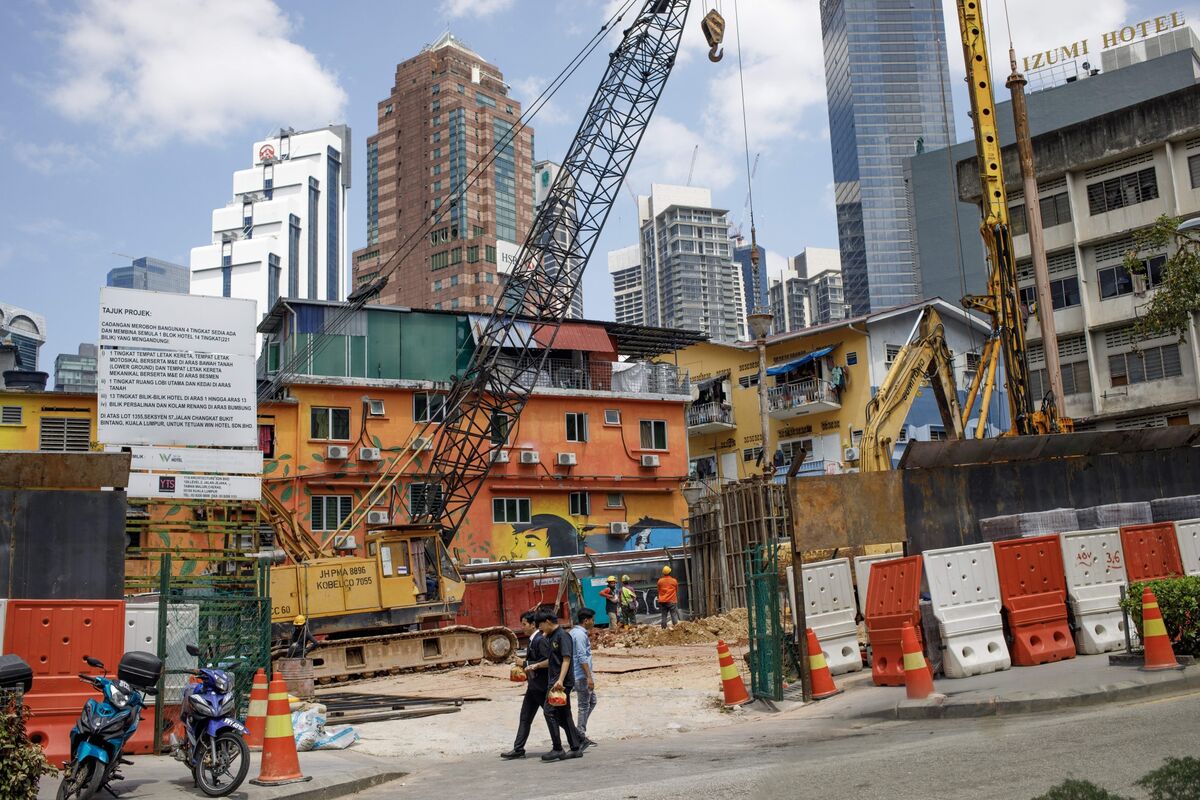
Malaysia will expand its sales and service tax to include construction and financial services sectors starting July 1, as announced by the Finance Ministry. This measure aims to reduce the nation's fiscal deficit to 3.8% of GDP, down from 4.1% the previous year. The tax base will also widen to include non-essential items, such as premium imported goods, and commercial services.
Malaysia is implementing a significant fiscal policy adjustment by expanding its sales and service tax, effective July 1, to include the construction and financial services sectors, as well as non-essential items like premium imported goods and commercial services. This strategic move, announced by the Finance Ministry, aims to reduce the nation's fiscal deficit from 4.1% of gross domestic product in the previous year to a targeted 3.8%. The broadening of the tax base represents a key measure towards fiscal consolidation, which could improve Malaysia's macroeconomic stability over time. For the newly included sectors, this tax expansion will likely translate into increased operating costs, potentially impacting profit margins or leading to higher prices for consumers and businesses. The provided general sentiment score of 0.0 (Neutral) and a market impact score of 0.4 suggest that while the tax changes are notable for specific sectors and fiscal health, the broader market may not perceive an immediate, strong disruptive effect, possibly due to prior anticipation or a view that the impacts are manageable within the current economic landscape.
AI-powered research, real-time alerts, and portfolio analytics for institutional investors.
Request DemoOverall Sentiment
Neutral
Sentiment Score
0.00
