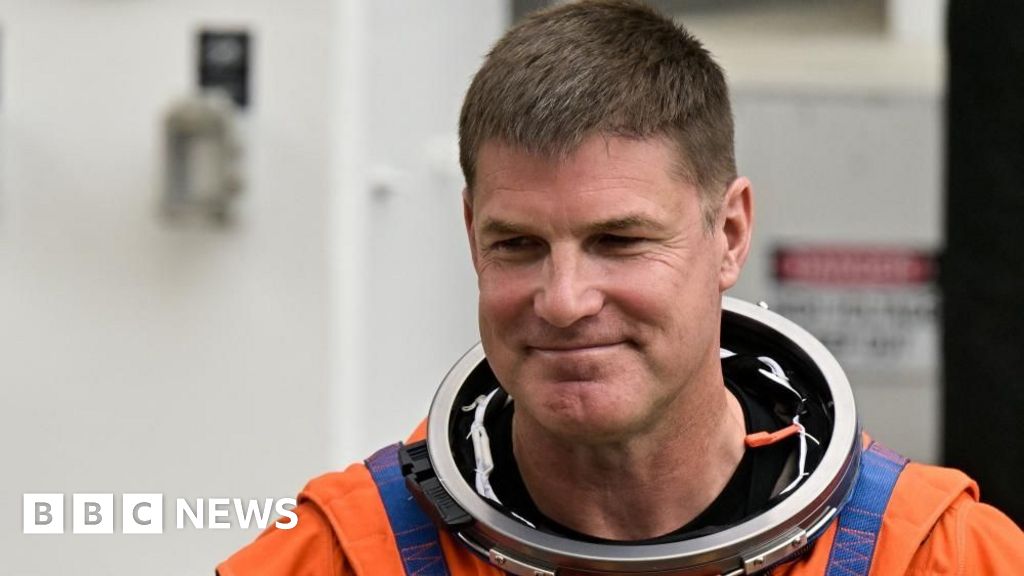
Artemis II is the first crewed mission to travel around the Moon in more than 50 years: a 10-day, 4-person lunar flyby with Canadian Jeremy Hansen as the only non-American crew member. The piece is a human-interest profile emphasizing Hansen's background (fighter pilot, CSA astronaut since 2009), mentorship by Chris Hadfield, and symbolic items carried (four Moon-shaped pendants and an Indigenous-designed mission patch); this narrative has negligible market implications.
The Hansen-Artemis narrative is a catalyst for durable political and procurement momentum rather than a one-off PR event. Over the next 12–36 months expect governments (Canada, allied partners) to favor domestic suppliers for robotics, life‑support, avionics and training services — a 5–15% revenue tailwind is plausible for mid‑tier contractors that already have NASA/ESA frameworks but need political cover to scale.
Supply‑chain winners will be firms with radiation‑hardened electronics, space‑rated comms and astronaut training platforms; losers are commodity aerospace subcontractors with limited space certifications who will see contract conversion cycles extended by 6–18 months. Mission imagery and sustained public interest can shorten procurement decision timelines by accelerating congressional/Parliamentary appropriations in the next fiscal cycle, but schedule slips remain the base case — technical setbacks typically push programs 12–24 months out and can compress expected upside by half.
Tail risks: a high‑visibility anomaly or crew safety scare would trigger immediate media backlash and political scrutiny, increasing the probability of budget reallocation away from human exploration toward unmanned or defense projects within 3–9 months. Conversely, a flawless mission and compelling imagery can produce an outsized 20–40% re‑rating for exposed small caps and service providers over 6–18 months as investors price in multi‑year contract growth.
AI-powered research, real-time alerts, and portfolio analytics for institutional investors.
Request DemoOverall Sentiment
mildly positive
Sentiment Score
0.20
