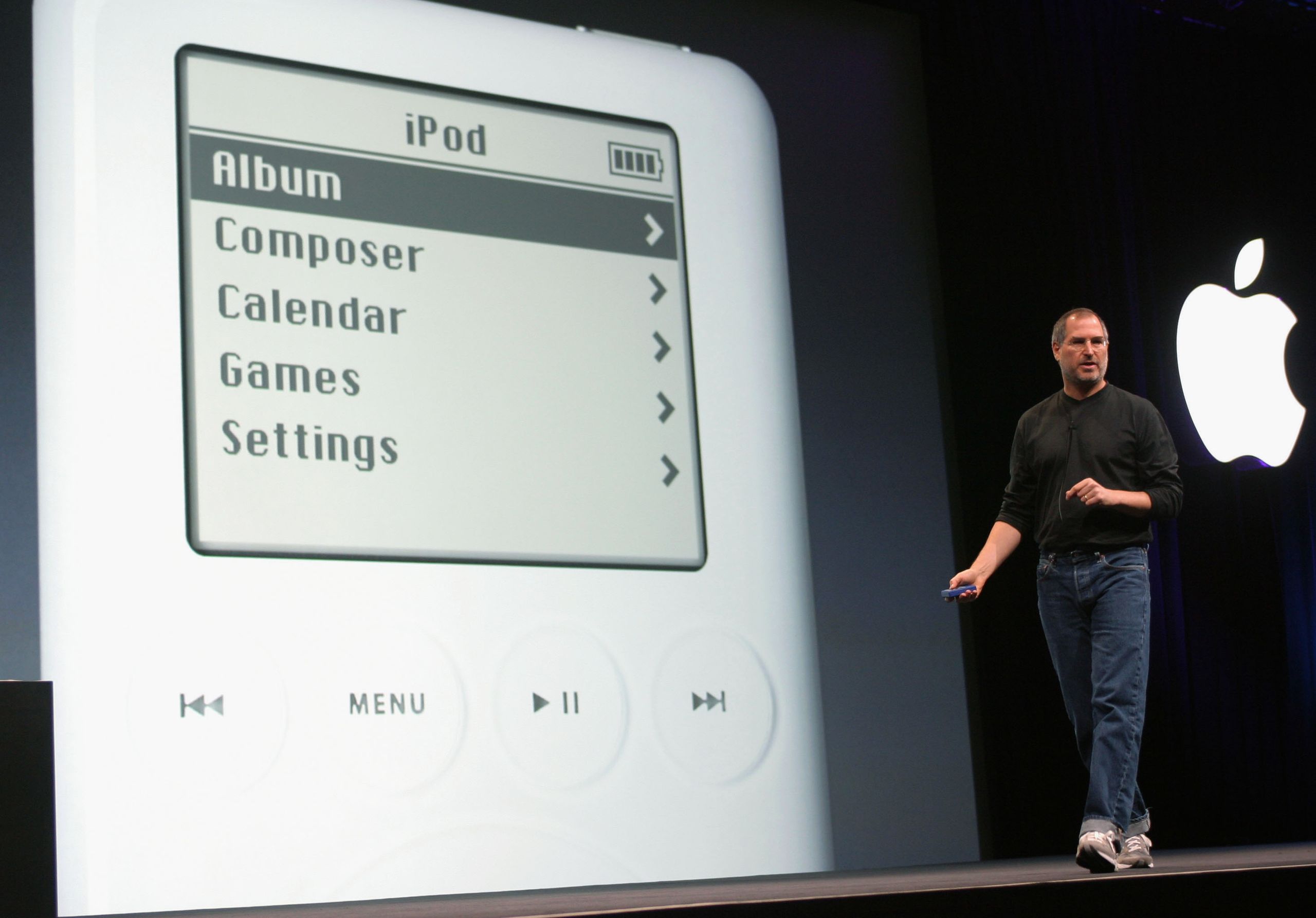
Apple marks its 50th anniversary and its iPod sold ~70 million units worldwide in the first five years after its 2001 launch, while Apple’s iTunes Store (Jan 2001), AirTunes/AirPlay, and the iPhone (2007) helped shift consumption from physical media to streaming. Design and product decisions (white earbuds as a status symbol, removal of the 3.5mm jack and simultaneous launch of AirPods) materially reshaped consumer demand and product design in audio, increasing mainstream adoption but drawing criticism from audiophiles. For portfolios, this underscores a durable consumer preference toward streaming-capable, wireless, design-led audio hardware and ecosystems—structural trends relevant to consumer electronics and streaming exposure, though the article is commentary and unlikely to move markets near term.
Apple’s design and platform moves have created recurring, underpriced optionality across three vectors: accessory monetization, platform services, and control of UX standards that competitors must adopt (or pay to emulate). That creates a structural arbitrage where incumbents with large installed bases can capture ~50–70% of downstream margin on audio peripherals via bundling and certification, while third-party OEMs win only on fashion or niche audiophile differentiation. Expect this dynamic to play out over 6–24 months as new hardware cycles and seasonal launches reprice accessory attach rates.
The shift to wireless and streaming has second-order winners in semiconductor IP (Bluetooth audio SoCs, ANC DSPs), MEMS microphone suppliers, and cloud ad-infrastructure — suppliers with high fixed-cost R&D and low incremental manufacturing costs. Conversely, commodity peripheral makers face ASP compression and shorter replacement cycles; margins will be squeezed before volume stabilizes. Over a 12–36 month horizon, inventory and channel mix will be the main driver of relative earnings surprises, not headline unit growth.
Key risks: regulatory action on platform bundling (EU/US antitrust) and an advertising slowdown are the two fastest ways to unwind the current setup — both could materialize within 3–12 months and disproportionately hit service-reliant revenue streams. Catalysts to watch are major OS/hardware refresh events (WWDC, fall launches) and quarterly ad-revenue prints; a positive surprise should re-rate platform stocks, while softness in ad or accessory ASPs would depress multiples quickly.
AI-powered research, real-time alerts, and portfolio analytics for institutional investors.
Request DemoOverall Sentiment
mildly positive
Sentiment Score
0.25
Ticker Sentiment
