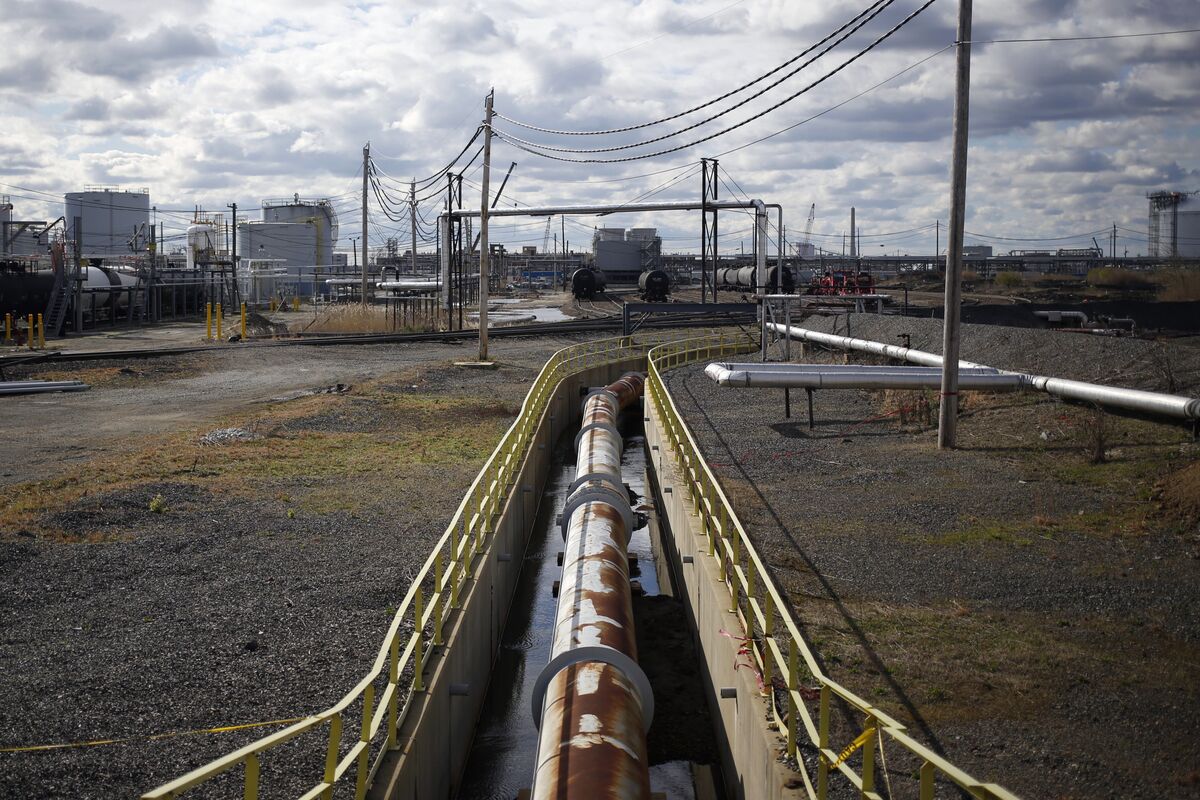
The United States is leveraging its near-monopoly over ethane exports to China as a bargaining chip in ongoing trade negotiations, impacting Chinese petrochemical companies. As the primary supplier of this niche plastics ingredient, the U.S. is using its market dominance to exert pressure amid broader economic tensions.
The United States is actively employing its near-monopoly on ethane exports to China, where it supplies 'almost all' of this niche plastics ingredient, as a significant bargaining chip in ongoing trade negotiations. This strategic use of dominance over a key hydrocarbon is reportedly causing 'collateral damage' to China’s petrochemicals executives, thereby impacting Chinese petrochemical companies. The situation highlights a critical supply chain vulnerability for China in a specific commodity essential for its plastics industry and underscores how such dependencies can be leveraged amid broader economic and geopolitical tensions. The moderately negative sentiment and pessimistic tone surrounding this issue reflect market concerns about potential disruptions and the strategic implications of weaponizing essential commodity flows.
AI-powered research, real-time alerts, and portfolio analytics for institutional investors.
Request DemoOverall Sentiment
moderately negative
Sentiment Score
-0.40
