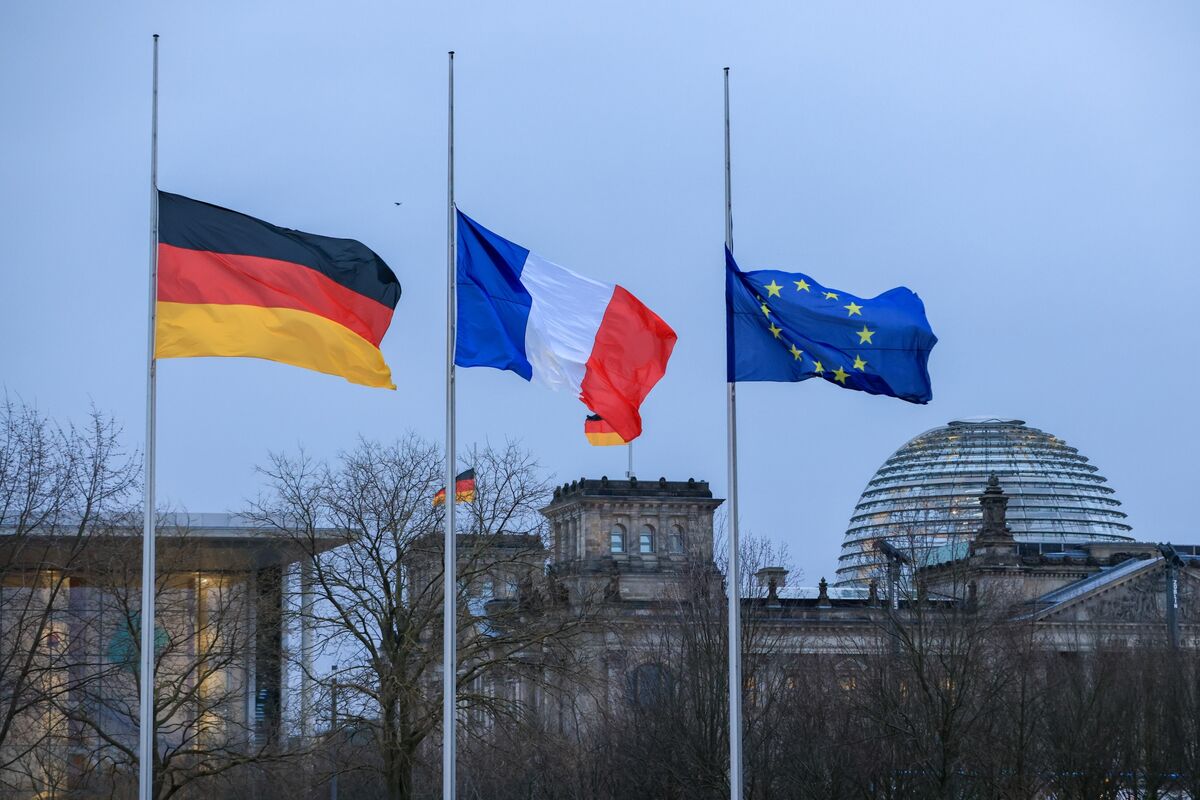
European corporate giants, including Mercedes Benz and LVMH, are reportedly engaging in back-channel discussions with US officials to mitigate the impact of potential Trump tariffs, aiming to avert a transatlantic trade war. This corporate-led effort to de-escalate trade tensions coincides with a top Chinese official expressing optimism about improving US-China economic ties, suggesting a broader trend towards reducing global trade friction.
Major European corporations, including German automaker Mercedes Benz and French luxury conglomerate LVMH, are actively engaging in back-channel diplomacy with US officials to temper the European Union's response to potential Trump-era tariffs. This proactive corporate lobbying aims to de-escalate transatlantic trade tensions and protect their significant interests in the US market, suggesting a divergence between corporate priorities and potentially more rigid official EU policy. This development, framed as a "rearguard action," unfolds alongside optimistic commentary from a senior Chinese official about the future of US-China economic relations. The combined effect points to a cautious but notable trend where key corporate and state actors are seeking to mitigate the risks of a global trade war, reducing the probability of a worst-case scenario for heavily exposed sectors like automotive and luxury goods.
AI-powered research, real-time alerts, and portfolio analytics for institutional investors.
Request DemoOverall Sentiment
mildly positive
Sentiment Score
0.20
