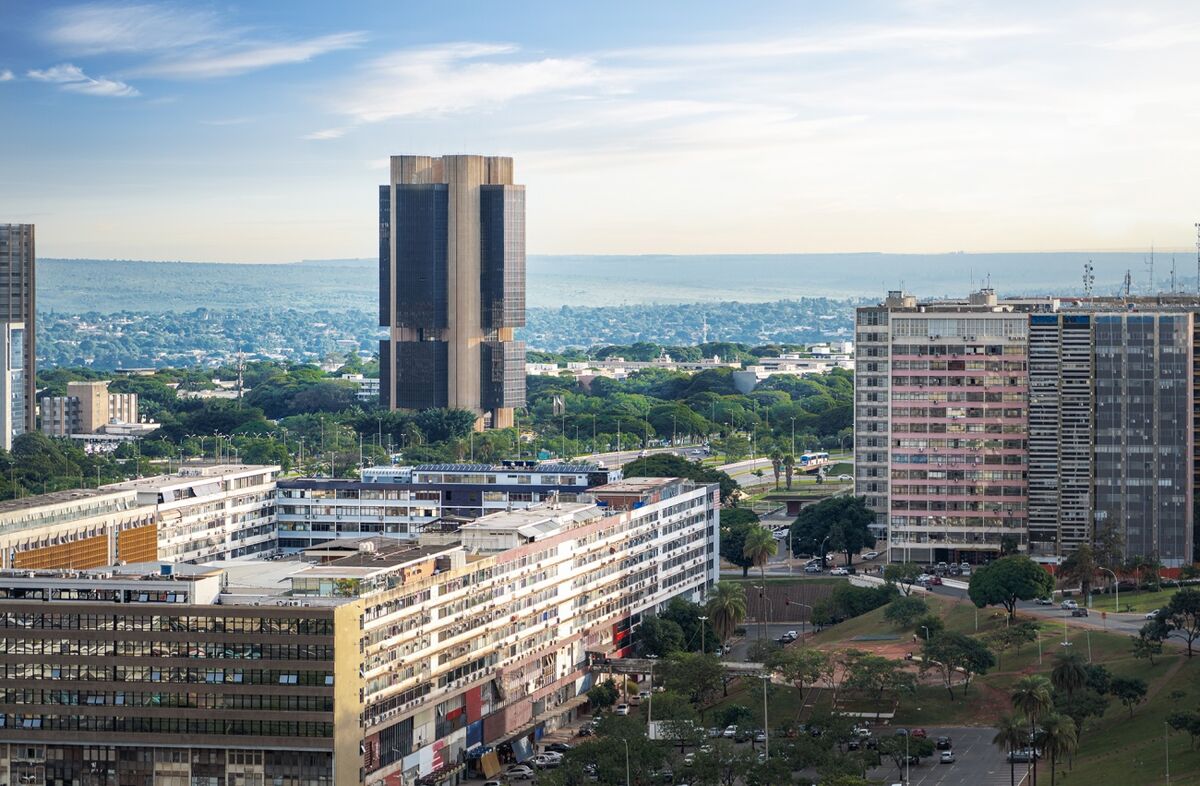
Bruno Moretti will appoint Guilherme Mello as deputy planning minister, taking him out of contention for a central bank board seat and signaling a shakeup of Brazil’s economic team ahead of elections. Mello, currently the Finance Ministry’s economic policy secretary, is also expected to be nominated as chairman of Petrobras’s board. The move reallocates potential influence from the central bank toward state-controlled energy governance and is modestly market-relevant for Petrobras and policy uncertainty around economic management.
A personnel shift that removes a market-comforting candidate from the pool for macro policy influence materially raises the probability of greater fiscal-to-monetary spillovers over the next 3–12 months. Markets will price a higher political risk premium: expect a 100–200bp increase in sovereign term premia versus a neutral baseline, and a corresponding 8–15% weakening of BRL in a stressed scenario as foreigners reprice EM exposure.
State-owned energy governance becoming more politically-aligned increases operational and cash-flow risk for the incumbent national oil champion. Mechanisms: mandated domestic fuel-price cushions and redirected capex toward politically-prioritized projects could compress EBITDA margins by an incremental 3–6 percentage points and delay international JV-driven development, shifting tender flow to smaller, politically-connected local suppliers.
Near-term catalysts to watch are formal board appointment notices, the next budget/budgetary guidance, sovereign bond auction yields, and any rating-agency commentary; these will move prices in days–weeks. A reassertion of central-bank operational independence or a pushback from global equity holders could reverse the worst of the move within 1–3 quarters, making any initial dislocation an opportunity for reversal trades.
AI-powered research, real-time alerts, and portfolio analytics for institutional investors.
Overall Sentiment
neutral
Sentiment Score
0.00
