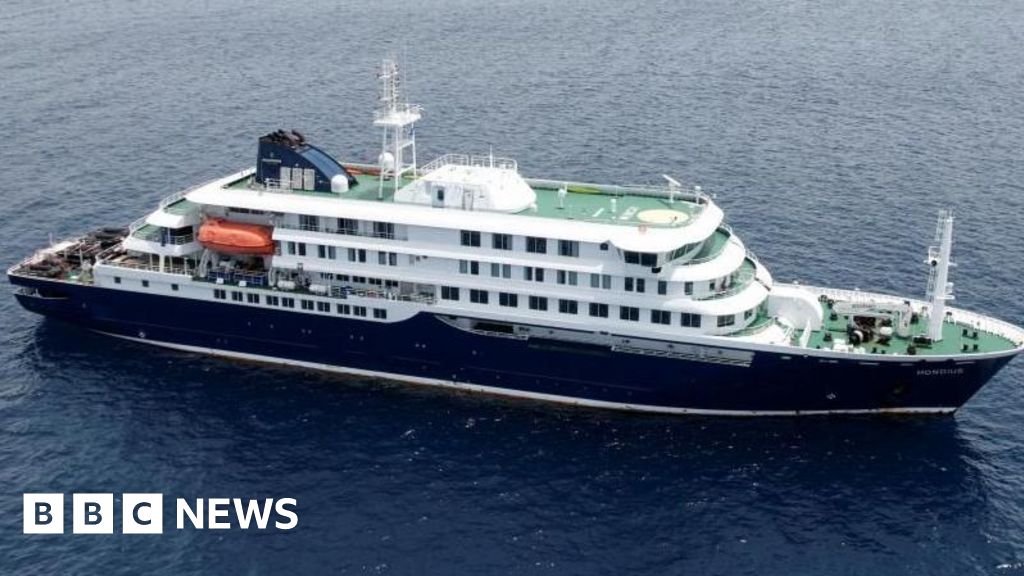
A hantavirus outbreak on the MV Hondius has led to 3 medical evacuations, 8 identified cases (3 confirmed, 5 suspected), and 3 deaths since the ship departed Argentina about a month ago. The vessel remains under strict precautionary measures with 146 people aboard and is now en route to Tenerife after leaving Cape Verde. Health authorities say wider public transmission risk is low, but contact tracing and testing are still ongoing.
This is a near-term negative for cruise sentiment, but the first-order equity read is less about a single vessel and more about whether operators face a broader “biosecurity premium” in booking demand, insurance, and port access friction. The market usually overreacts to headline outbreaks for 1-2 sessions, then refocuses on load factors; the bigger risk is a slower creep higher in operating costs if ports and flag states demand more screening, quarantine capacity, and medical staffing. The second-order winner is not another cruise line so much as the ecosystem around screening, onboard diagnostics, and travel-risk compliance. Any operator with a cleaner health narrative, newer ship design, stronger medical infrastructure, or more diversified itinerary mix should take share at the margin if consumers begin to differentiate between fleets instead of treating “cruise” as a monolith. That divergence can matter over the next 1-3 booking windows, especially for premium travelers who are more cancellation-sensitive. The tail risk is regulatory: if Spain, Cape Verde, or other port authorities harden entry protocols, turnaround times rise and itineraries become less predictable, directly pressuring yields and onboard spend. A more meaningful medium-term catalyst would be confirmation of human-to-human transmission outside the ship, which would widen the concern set from isolated vessel management to the broader sector’s perceived contagion controls. If subsequent testing shows only a small, contained cluster, the selloff should reverse quickly because the wider public-risk narrative remains weak. Contrarian view: the market may be underpricing how quickly this can become a procurement and medical-services story rather than a demand collapse story. Cruise companies that already have superior cash buffers and flexible deployment can absorb short-lived disruptions, while weaker balance sheets are more exposed to any increment in insurance or compliance costs. That argues for relative-value rather than outright sector shorts.
AI-powered research, real-time alerts, and portfolio analytics for institutional investors.
Request DemoOverall Sentiment
strongly negative
Sentiment Score
-0.62
