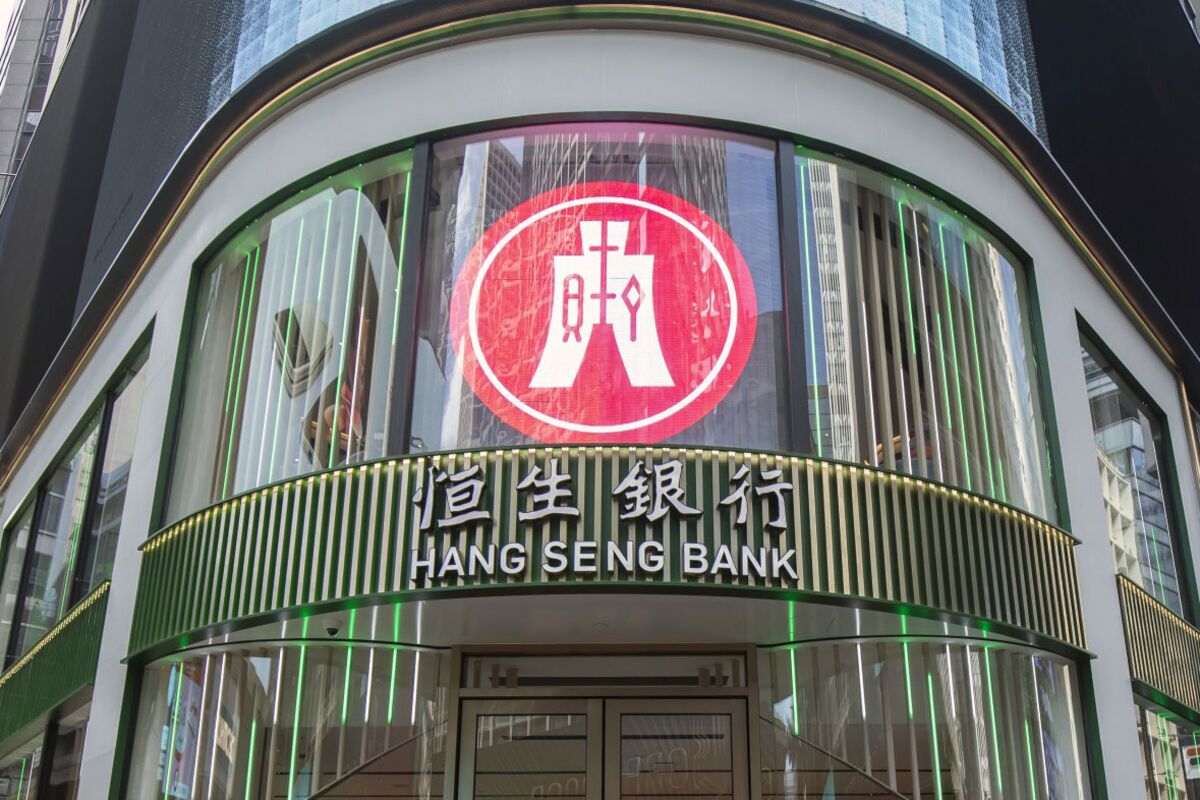
Hang Seng Bank shares dropped as much as 7.6% after the lender reported a sharp increase in first-half impairments, primarily due to the ongoing downturn in Hong Kong's commercial property market. Credit impaired loans to Hong Kong commercial real estate surged 85% year-over-year to HK$25 billion ($3.2 billion) as of June 2025, pushing nonperforming loans to 6.69% and highlighting significant credit pressure from the sector.
Hang Seng Bank is experiencing significant asset quality deterioration, driven by severe stress in Hong Kong's commercial real estate (CRE) sector. This is evidenced by an 85% year-over-year surge in credit-impaired CRE loans to HK$25 billion and a rise in the overall nonperforming loan ratio to 6.69%. The market has reacted sharply to this fundamental weakness, with the bank's shares falling as much as 7.6%, the largest single-day drop since February. The report explicitly cites "ongoing credit pressure" from the property market, indicating that the downturn is directly impacting the bank's balance sheet and profitability through increased impairments. While Hang Seng Bank is controlled by HSBC, the provided data suggests the market is currently viewing this as a localized issue for the subsidiary rather than a systemic problem for the parent group.
AI-powered research, real-time alerts, and portfolio analytics for institutional investors.
Request DemoOverall Sentiment
strongly negative
Sentiment Score
-0.80
Ticker Sentiment
