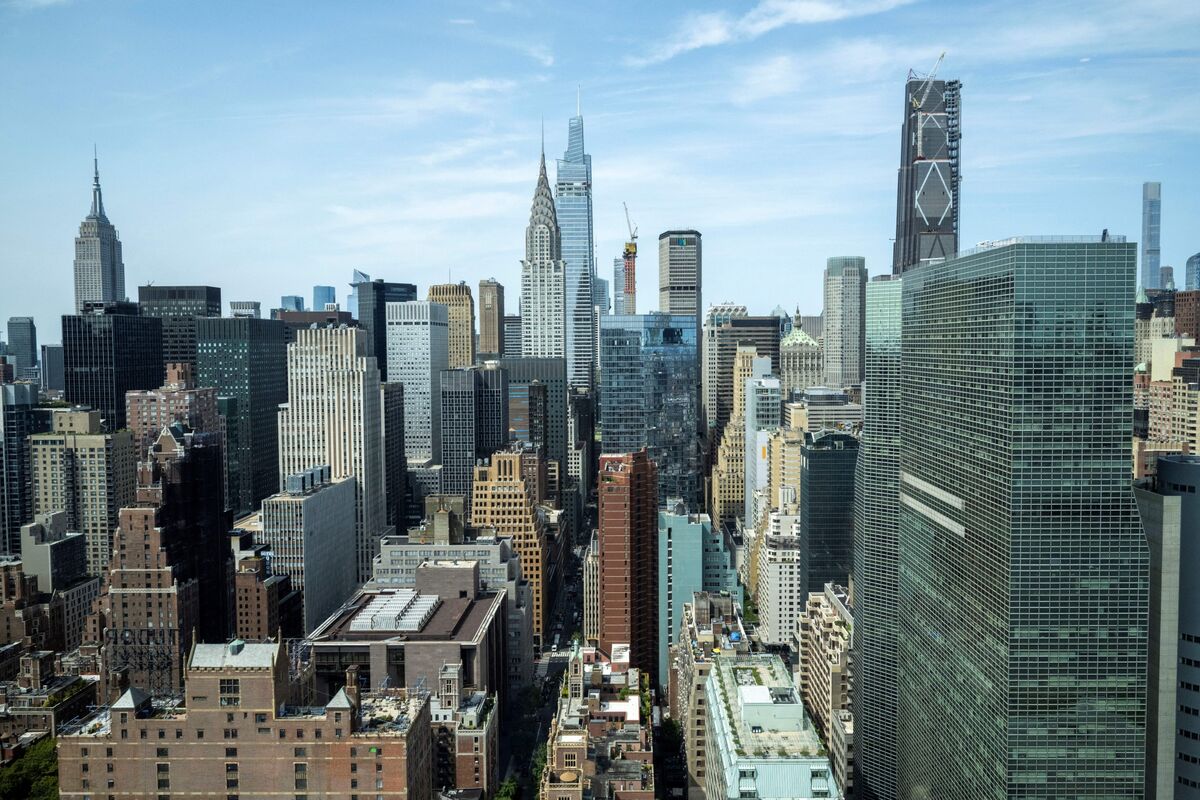
The New York City Council has approved the rezoning of a 42-block section of Manhattan, specifically south of Times Square, to facilitate the development of over 9,500 new residential units. This significant policy shift will convert areas currently designated for manufacturing and offices into high-density housing, with approximately one-third of the new units mandated as permanently affordable, signaling a substantial increase in Midtown housing supply and potential impacts on urban real estate development and investment.
The New York City Council's approval to rezone a 42-block section of Midtown Manhattan is a significant legislative event poised to reshape the local real estate landscape. This policy unlocks the development of over 9,500 new residential units by converting areas currently designated for manufacturing and offices into high-density housing. A key feature of the plan is the mandate that approximately one-third of these units will be permanently affordable, addressing persistent housing supply constraints in a prime urban core. The conversion from commercial to residential use south of Times Square signals a strategic response to evolving urban dynamics, potentially increasing the value of land suitable for residential conversion while impacting the outlook for legacy commercial properties. The associated "strongly positive" sentiment score of 0.75 and moderate market impact score of 0.65 underscore market optimism about this substantial addition to housing inventory and its potential to spur investment and development activity.
AI-powered research, real-time alerts, and portfolio analytics for institutional investors.
Request DemoOverall Sentiment
strongly positive
Sentiment Score
0.75
