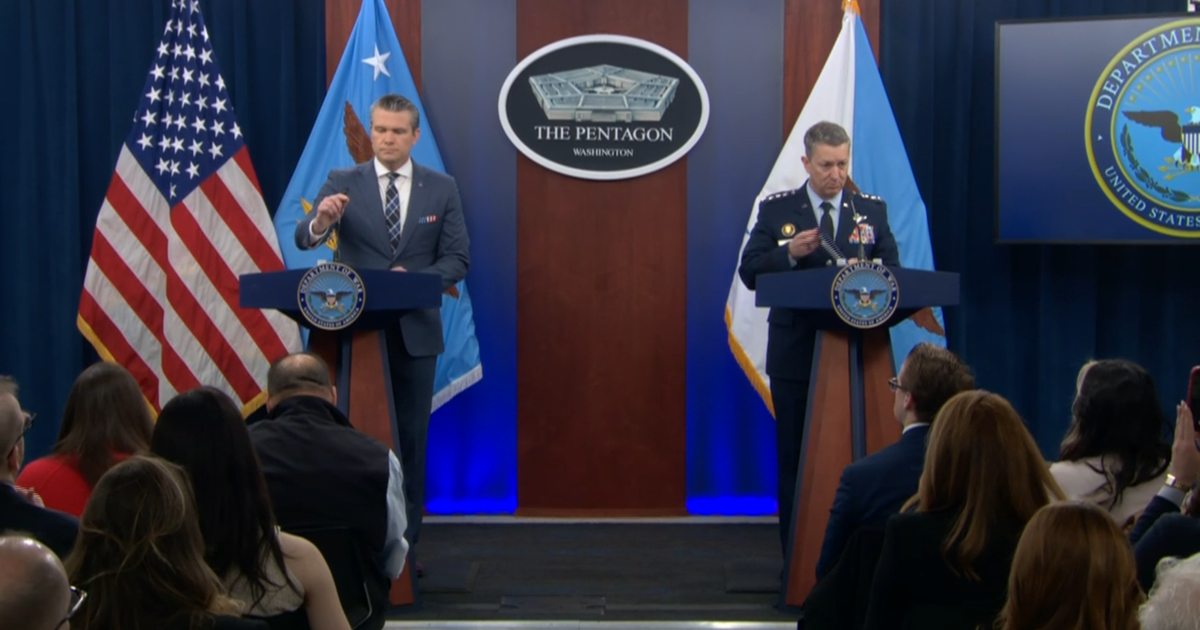
Judge Paul Friedman ordered on March 20 that the Pentagon reinstate press credentials for seven New York Times reporters; the Times says the Pentagon's 'interim' policy effectively circumvents that order by barring credentialed reporters from entering the building without escorts, requiring pre-approved events, and relocating workspace to an annex. The Pentagon and DOJ contend the revised policy complies and plan to appeal; the dispute is a legal/press-access confrontation with minimal direct market impact but potential implications for defense transparency amid recent U.S. military operations.
This dispute creates a durable bifurcation within the press ecosystem: outlets willing to accept tighter operational constraints gain prioritized physical access and near-term scoop advantage, while mainstream investigative operations face higher marginal costs to obtain the same access. That dynamic can translate into modest but real shifts in readership engagement — a handful of exclusive, on-the-record beats per quarter can move subscriber churn by tenths of a percent, which for a subscription business with millions of users is economically meaningful over 3–12 months.
A less obvious beneficiary cohort is the government services and security-technology contractors that operate facility access, escort, and secure-annex logistics for large campuses. Expect procurement opportunities for access control, on-site transport, and managed press-space services to materialize on a 3–9 month contracting cycle; incumbents with existing DoD relationships (program management + physical security stacks) have the shortest path to capture incremental spend.
Legal trajectory is the primary market lever: an appeal or declaratory ruling narrowing credential protections could lock in the new operating model for years; conversely, a definitive higher-court rebuke would restore wider access and reverse the advantage to compliant outlets. Timeline: administrative tweaks and interim orders will drive volatility in days–weeks, appeals will play out over 6–18 months, and any Supreme Court escalation would be a 1–3 year event.
Watchable catalysts: subsequent filings and temporary injunction language, DoD request-for-proposals for ancillary services, and audience metrics from key outlets. These deliver discrete binary outcomes that will move sentiment for NYT and re-rate a small group of government-services names if contracts flow as expected.
AI-powered research, real-time alerts, and portfolio analytics for institutional investors.
Request DemoOverall Sentiment
neutral
Sentiment Score
0.00
Ticker Sentiment
