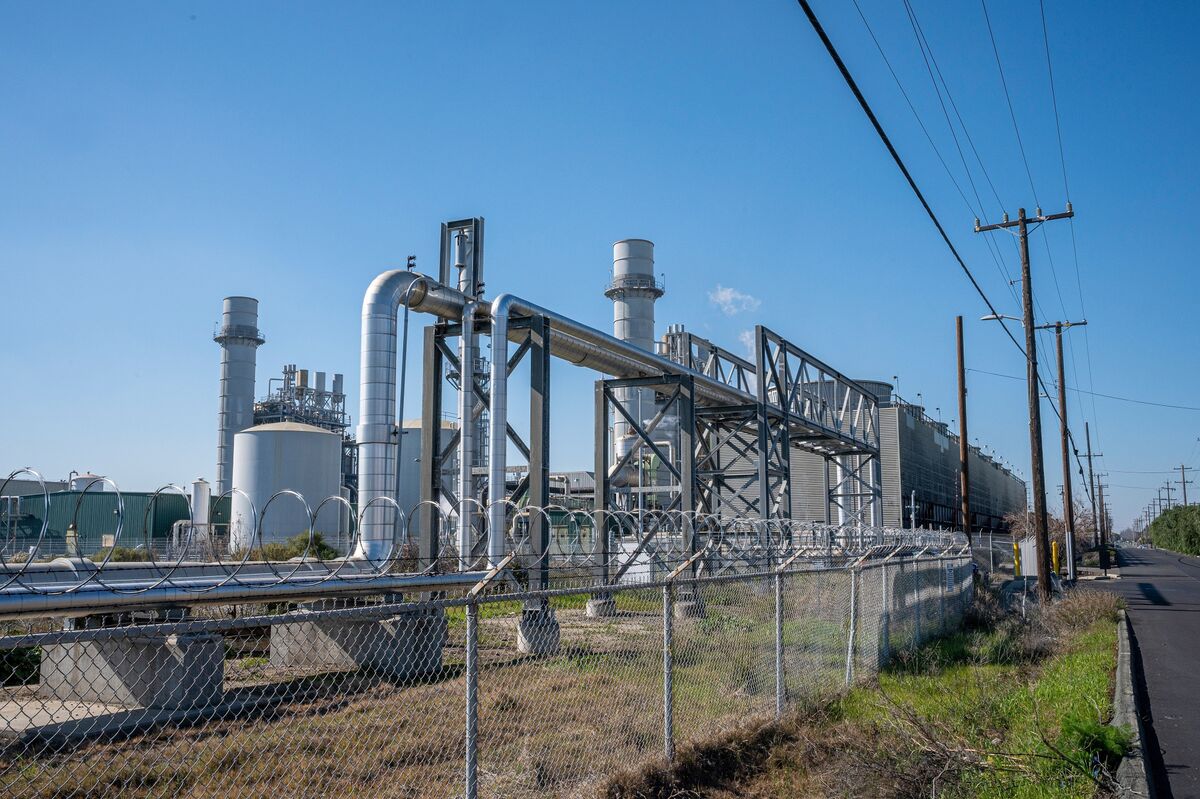
Williams CEO Chad Zamarin said U.S. natural gas demand is expected to rise over the next 10 years more than it did in the prior 15 years, driven by data centers powering AI and broader energy-security needs. He also argued the fuel should remain resilient to global price disruptions even if the Strait of Hormuz stays effectively closed. The comments are constructive for gas demand and midstream infrastructure, but they are directional rather than a concrete financial update.
The important second-order effect is that AI-driven load growth changes gas from a cyclical commodity into a quasi-utility fuel with a longer duration demand curve. That disproportionately benefits midstream takeaway capacity, storage, and regulated pipeline franchises because the bottleneck is no longer just molecule availability — it is deliverability into constrained power regions and the ability to firm intermittent renewables.
The market is likely underestimating the shape of the demand response: data-center buildouts create a multi-year ratchet, while gas-fired generation is the only dispatchable bridge that can scale fast enough in the US power stack. That should support basis differentials in constrained basins and lift contracting power for pipeline owners, but it also raises the value of projects with embedded inflation passthrough and low incremental capex.
The geopolitical angle is more subtle. If global supply shocks fail to move US gas materially, domestic gas equities become a relative safe haven versus oil-linked energy names because their earnings are more insulated from maritime chokepoint risk. The main risk is not a gas price spike but policy backlash: permitting delays, local opposition to new pipelines, or faster-than-expected load-side efficiency/SMR nuclear adoption could push out the timeline by 12-24 months.
Consensus may be too focused on the headline demand growth and not enough on who captures the rent. The biggest winners are likely fee-based infrastructure names, while pure producers may only get modest uplift unless higher power demand translates into sustained regional basis strength. In other words, this is more a story about infrastructure scarcity and contracted cash flows than a simple commodity call.
AI-powered research, real-time alerts, and portfolio analytics for institutional investors.
Request DemoOverall Sentiment
mildly positive
Sentiment Score
0.35
