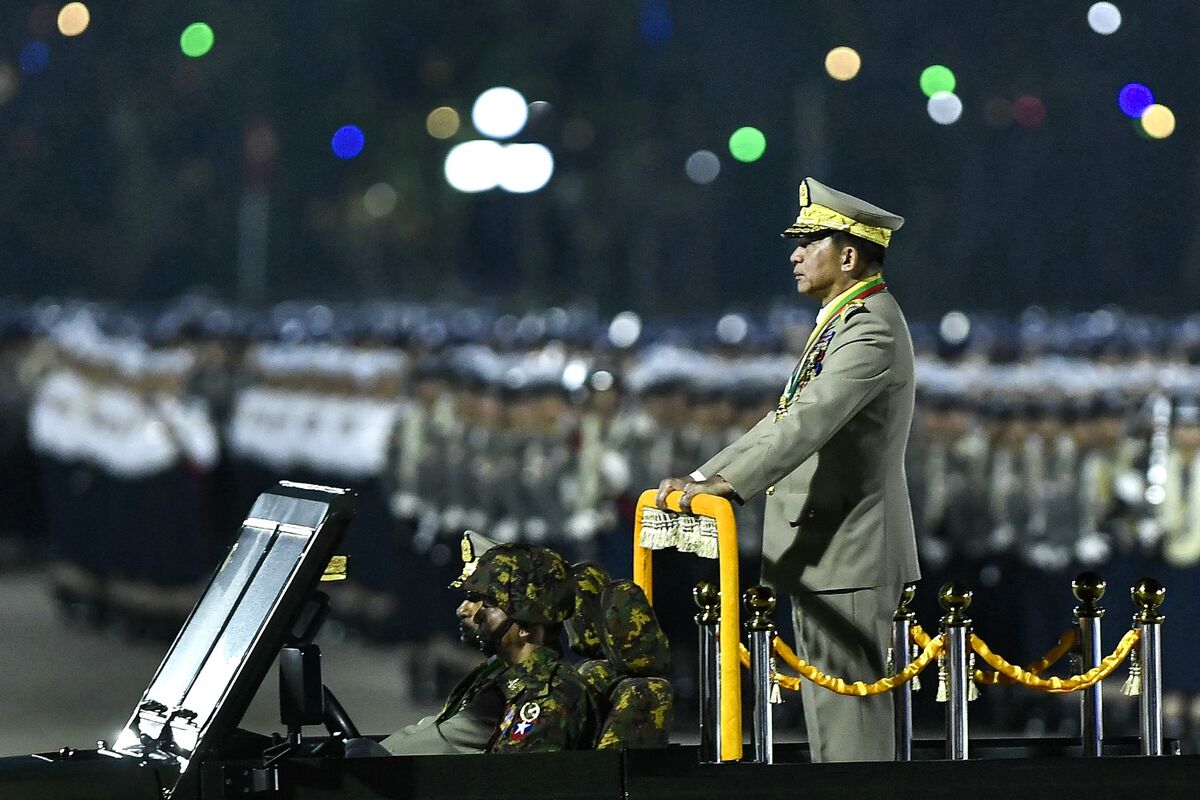
Myanmar's military regime has scheduled the first phase of a general election for December 28, contesting both parliamentary and provincial seats. This move occurs amidst persistent civil conflict and boycotts from democratic opposition groups, following the military's 2021 coup which triggered widespread armed conflict. The election's legitimacy and the potential for continued instability underscore significant political risk considerations for regional investment outlooks.
Myanmar's military regime has scheduled the first phase of a general election for December 28, an event that carries strongly negative sentiment and high market impact. This election is set against a backdrop of severe instability following the 2021 military coup, with ongoing civil conflict and large swaths of the country controlled by armed ethnic groups. The legitimacy of the process is fundamentally undermined by boycotts from democratic opposition groups, suggesting the election is an attempt by the junta to consolidate power rather than a genuine step towards democracy or stability. For investors, this signals a perpetuation, and potential escalation, of geopolitical risk in the region, threatening supply chains, operational security, and the overall investment climate. The event should be viewed not as a resolution but as a potential catalyst for further conflict.
AI-powered research, real-time alerts, and portfolio analytics for institutional investors.
Request DemoOverall Sentiment
strongly negative
Sentiment Score
-0.70
