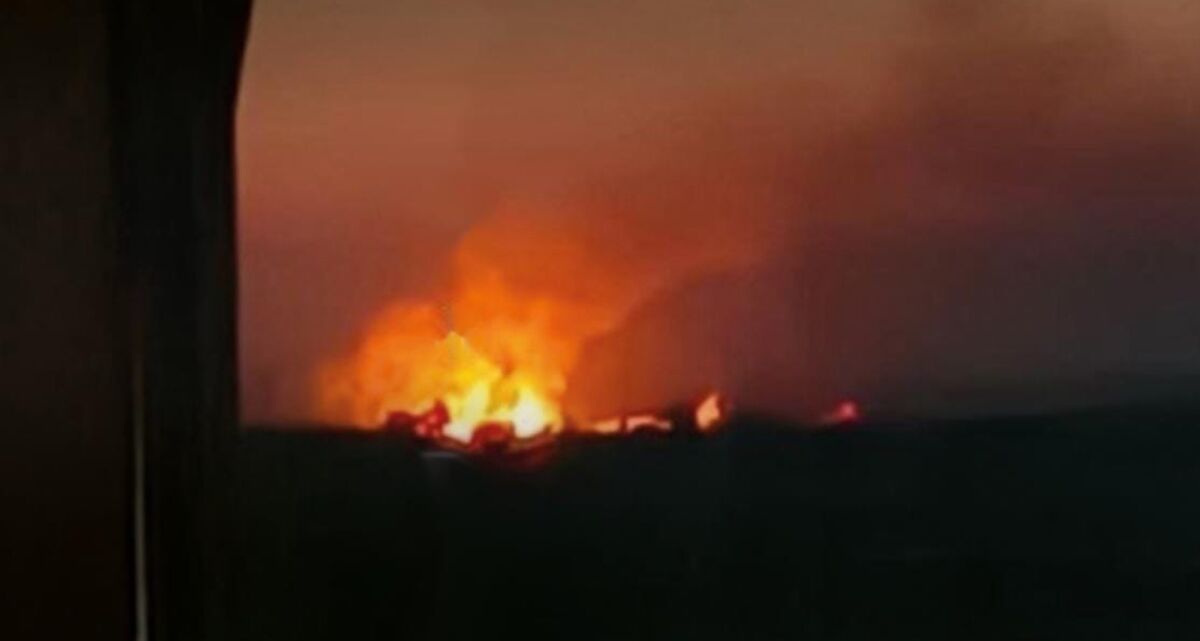
Ukraine's military claims its special forces struck the Borysoglebsk airfield in Russia's Voronezh region, a critical base for Russian Su-34, Su-35S, and Su-30SM fighter jets. This action, aimed at reducing Russia's air strike capabilities, follows the largest Russian air attack on Ukraine to date, signaling a potential escalation in targeting strategic military assets deep within Russia and contributing to ongoing geopolitical risk.
Ukraine's military has reported a strategic strike by its special forces on the Borysoglebsk airfield within Russia's Voronezh region, a key operational base for Su-34, Su-35S, and Su-30SM fighter jets. This action, aimed at diminishing Russia's air strike capabilities, represents a direct and potentially escalatory tactical shift, targeting high-value military infrastructure deep inside Russian territory. The strike's timing is significant, occurring immediately after Ukraine sustained the largest Russian air attack of the war to date. While the event's standalone market impact is rated as low, it materially heightens the geopolitical risk landscape. This tit-for-tat escalation suggests a prolonged conflict dynamic, which increases uncertainty for markets and supply chains sensitive to Eastern European instability, particularly in the energy and agricultural sectors.
AI-powered research, real-time alerts, and portfolio analytics for institutional investors.
Request DemoOverall Sentiment
neutral
Sentiment Score
0.00
