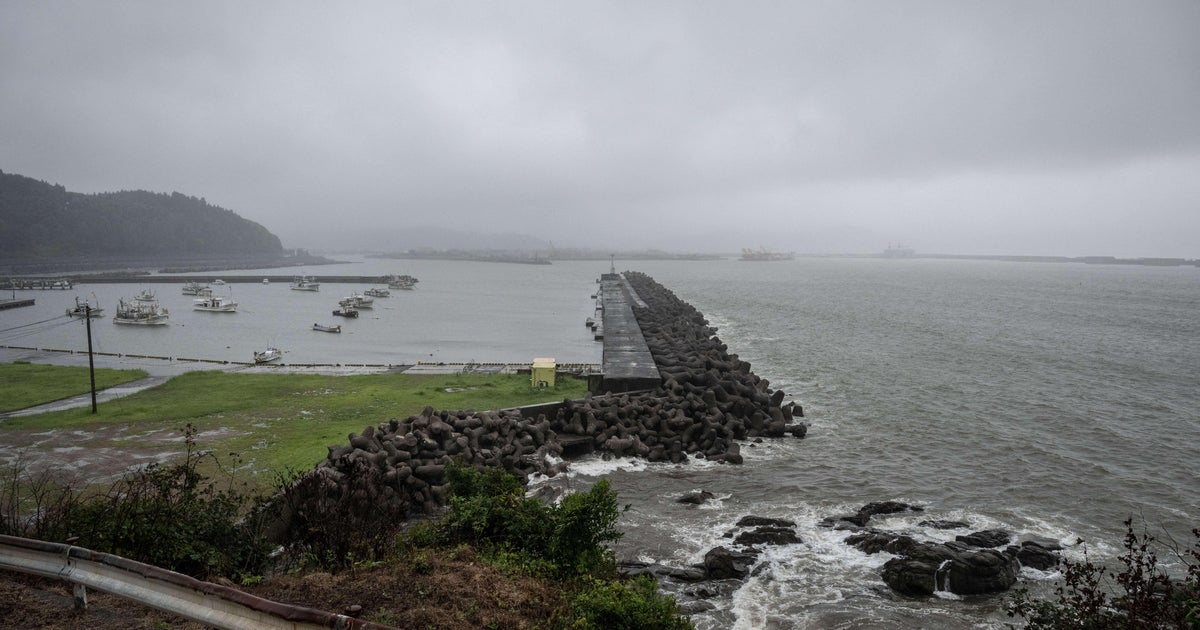
A magnitude 6.9 earthquake struck off Japan's Iwate prefecture, prompting tsunami advisories that were subsequently downgraded and lifted after only minor sea level changes were observed. Critically, there were no immediate reports of injuries, significant damage, or abnormalities at local nuclear power plants, though bullet trains experienced temporary delays. The limited immediate physical and infrastructural impact of this event suggests minimal short-term disruption for markets and industries, despite the region's seismic activity.
A magnitude 6.9 earthquake struck off Japan's Iwate prefecture, triggering initial tsunami advisories that were subsequently downgraded and lifted within three hours, with actual sea level changes limited to 10-20 centimeters. Crucially, there were no immediate reports of injuries, significant structural damage, or abnormalities at the two nuclear power plants in the affected area. The primary operational disruption noted was temporary delays to bullet train services operated by JR East.
The rapid resolution of the tsunami threat and the absence of major damage indicate a highly contained event with minimal immediate physical and infrastructural impact. This aligns with the neutral sentiment and low market impact scores, suggesting that financial markets are unlikely to react significantly to this specific incident. The quick recovery and lack of critical infrastructure failure underscore the region's preparedness for seismic activity.
However, the Japan Meteorological Agency has warned of potential strong aftershocks for approximately one week, particularly over the next two to three days. While officials stated this event is not directly related to the 2011 Fukushima disaster, the region remains inherently prone to seismic activity, a factor that warrants ongoing consideration for long-term regional investments.
AI-powered research, real-time alerts, and portfolio analytics for institutional investors.
Overall Sentiment
neutral
Sentiment Score
-0.05
