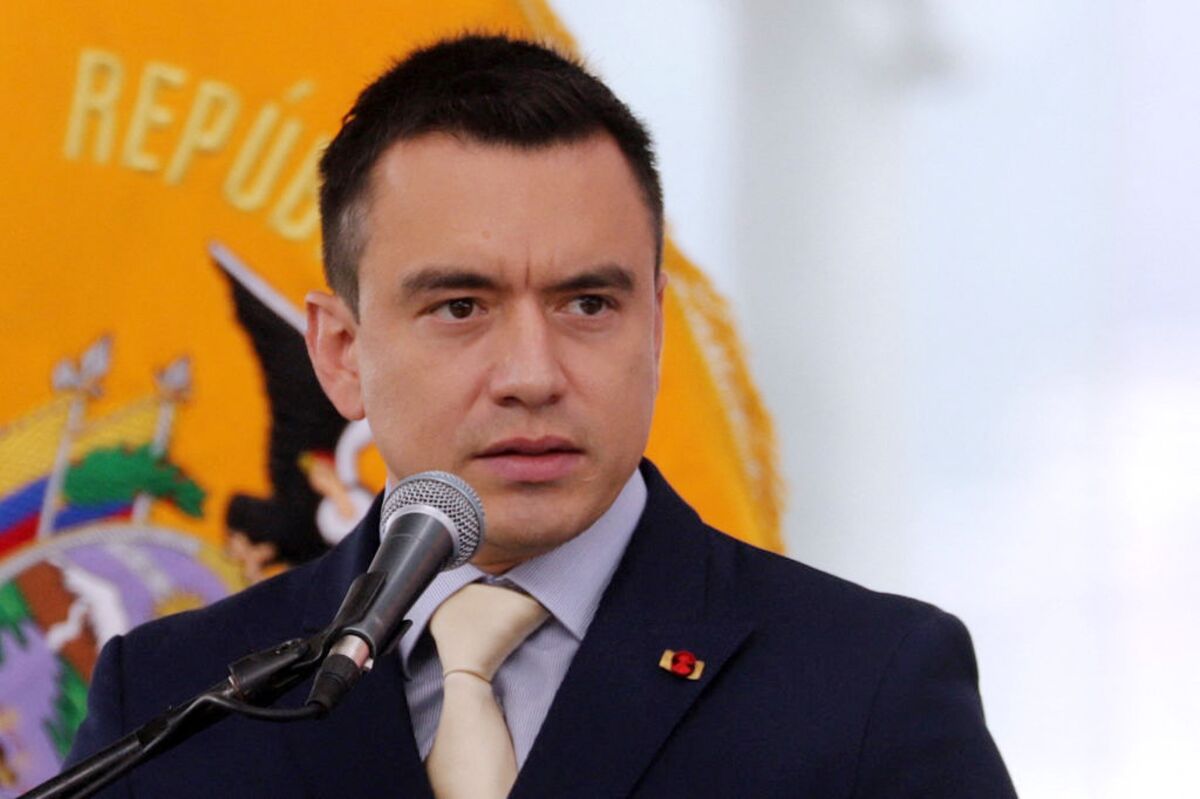
Ecuador's President Daniel Noboa is implementing significant austerity measures by dismissing 5,000 civil servants and reducing the number of ministries and public offices by approximately 40%. This restructuring, aimed at balancing the nation's budget, marks Noboa's first major fiscal consolidation effort since his April re-election and follows the International Monetary Fund's recent approval of additional financial support for the country.
Ecuador's government is initiating a significant fiscal consolidation program, marked by the dismissal of 5,000 civil servants and a substantial 40% reduction in the number of ministries. This action represents President Daniel Noboa's first major austerity measure following his re-election in April, signaling a firm commitment to addressing the nation's budget imbalances. The timing is critical, as it follows the recent approval of additional financial support from the International Monetary Fund (IMF), suggesting these cuts are a key component of the agreement aimed at ensuring fiscal sustainability. While these measures are essential for stabilizing public finances and improving the country's sovereign credit outlook, the associated "moderately negative" sentiment signal highlights the inherent social and political risks. Such large-scale public sector layoffs could provoke social unrest and test the political capital of the newly re-elected administration, creating a challenging environment for further reforms.
AI-powered research, real-time alerts, and portfolio analytics for institutional investors.
Request DemoOverall Sentiment
moderately negative
Sentiment Score
-0.50
