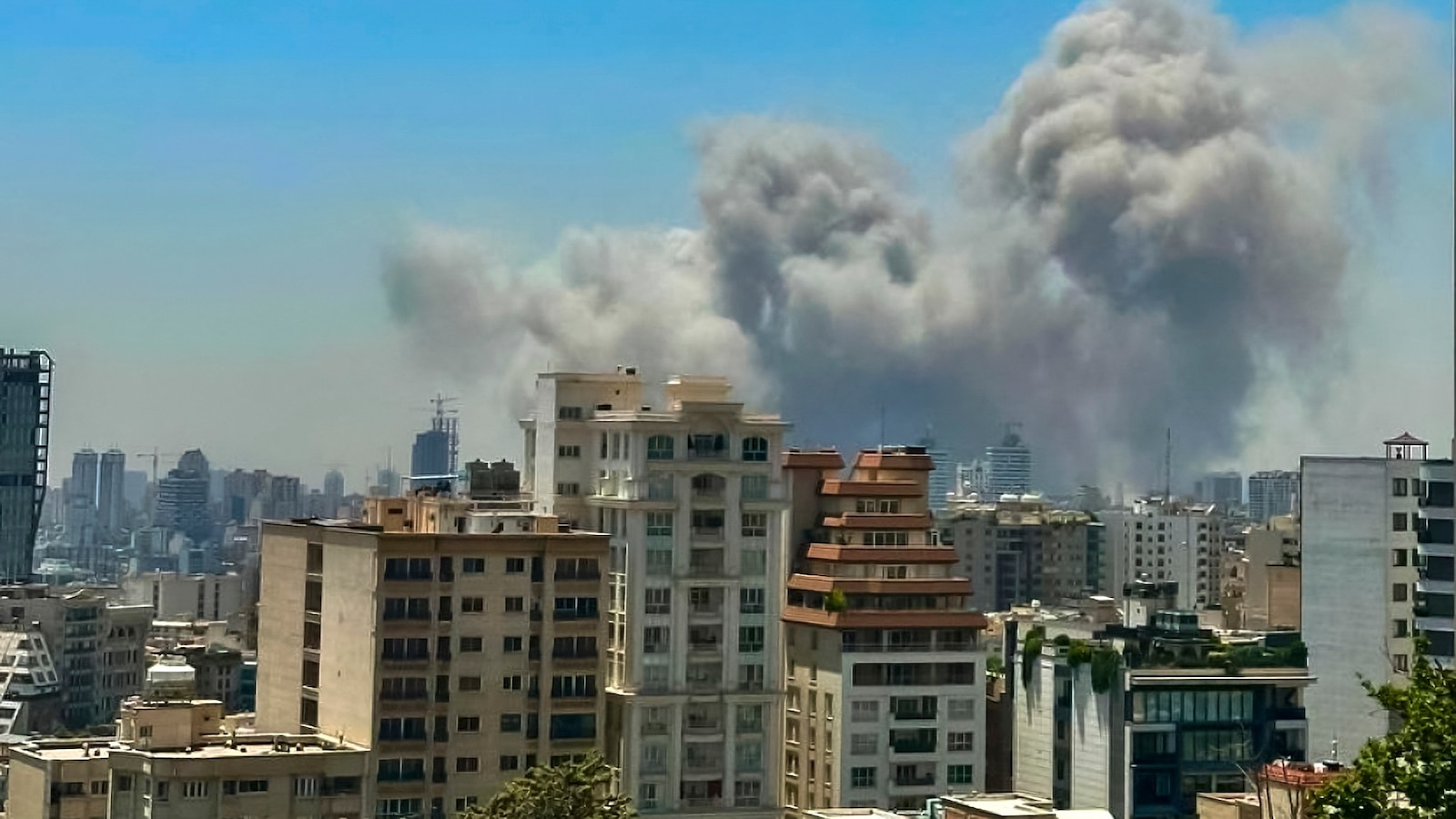
An Israeli strike on Monday damaged parts of Tehran's Evin Prison, a key facility for political prisoners, with Iranian judiciary confirming damage and reports of a doctor killed and internal chaos. The IDF, which confirmed the strike as targeting a 'symbol of oppression,' escalated its ongoing conflict with Iran, drawing international condemnation and signaling heightened geopolitical risk in the Middle East, which could impact regional stability and asset markets.
The confirmed Israeli strike on Tehran's Evin Prison marks a significant escalation in the ongoing conflict with Iran, shifting the focus from military and nuclear targets to a highly symbolic political site. This action, described by the IDF as targeting a 'symbol of oppression,' has heightened geopolitical tensions, as evidenced by the strongly negative sentiment score (-0.7) and moderate market impact signal (0.65). The direct targeting of a location within the Iranian capital, resulting in confirmed damage and at least one fatality, signals a new, more aggressive phase of the conflict that began on June 12. International condemnation, notably from France, introduces diplomatic complexity and could pressure Israel's strategic calculus. For investors, the key takeaway is the increased probability of broader regional instability, which introduces significant, unpriced risk beyond the direct conflict participants.
AI-powered research, real-time alerts, and portfolio analytics for institutional investors.
Request DemoOverall Sentiment
strongly negative
Sentiment Score
-0.70
