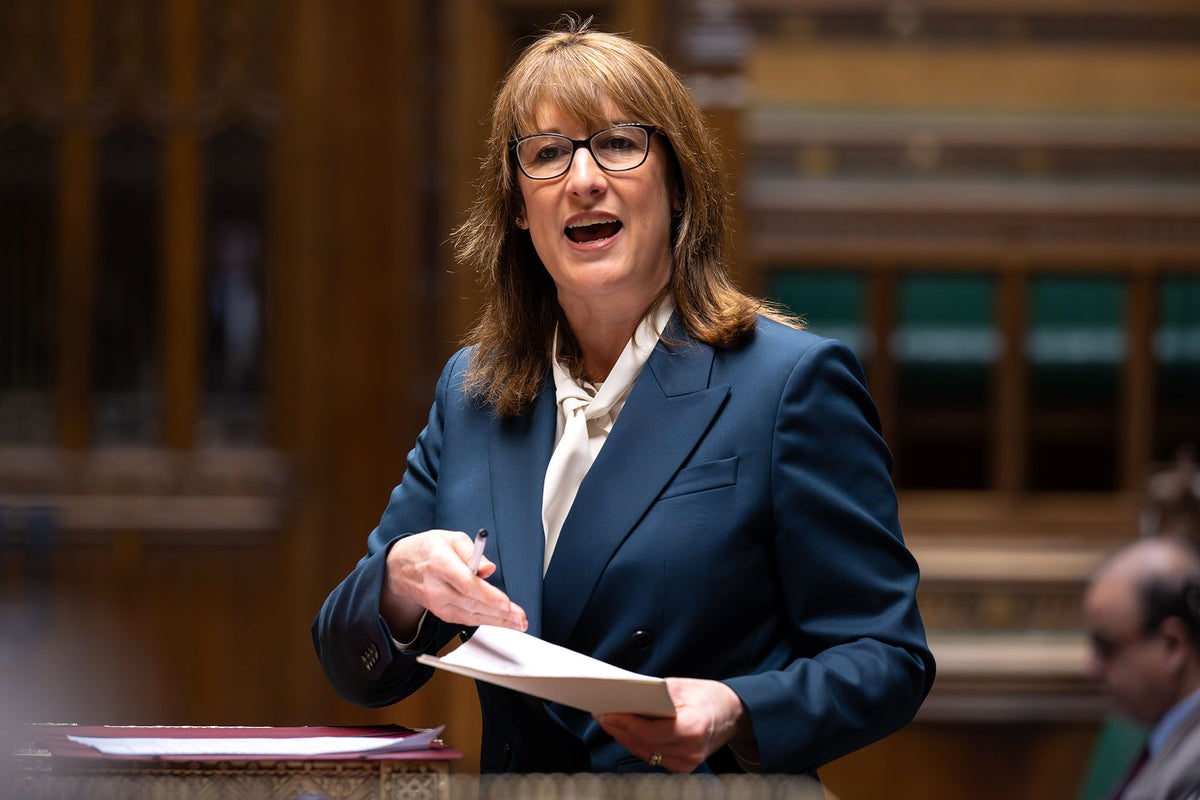
Larry Fink warns a global recession is likely if oil hits $150/barrel; Brent is trading around $95.60 today. UK CPI held at 3% in February but economists and the Bank of England expect inflation to accelerate as the Iran conflict lifts oil and gas prices, with household energy bills projected to rise by about £332 annually in July. Chancellor Rachel Reeves says support will be targeted rather than universal, raising fiscal risks for households and firms exposed to higher energy costs, while UK two‑year yields have spiked, increasing government borrowing costs and complicating monetary policy.
The shock to energy markets will transmit through at least three distinct channels with staggered timing: immediate pass-through to fuel and shipping costs (days–weeks), intermediate transmission to input costs for energy‑intensive manufacturing and fertiliser-dependent agriculture (1–3 months), and slower second‑round effects into wages and services pricing (3–12 months). Expect margin erosion for low‑margin, high‑volume businesses that cannot hedge fuel or freight, while asset managers and ETFs that concentrate commodities and inflation hedges will see disproportionate flows and fee capture volatility.
On policy, higher energy inflation creates a collision between the need to support household incomes and the central bank’s inflation mandate. That raises the probability of fiscal forbearance or targeted subsidies that widen deficits and steepen local yield curves even if nominal rates remain sticky; real yields are likely to rise, compressing equity multiples for long‑duration growth names. For financial incumbents with large AUM exposure to risk assets, elevated market volatility reduces net inflows and amplifies drawdown risks to performance fees over the next 6–12 months.
Second‑order winners include integrated energy names with downstream optionality, commodity traders and mid‑stream infrastructure that can price upward, and fertiliser producers who have short supply elasticities. Losers are airlines, freight‑exposed retailers, and regional manufacturers with thin pricing power; grocery manufacturers face margin squeeze as higher input and shipping costs lag through to retail prices. Key near‑term catalysts that would reverse the trade are rapid diplomatic de‑escalation, coordinated SPR releases, or a sharp demand downturn from major consumers; absent those, inflationary impulses are likely to amplify over the coming two quarters.
AI-powered research, real-time alerts, and portfolio analytics for institutional investors.
Request DemoOverall Sentiment
strongly negative
Sentiment Score
-0.55
Ticker Sentiment
