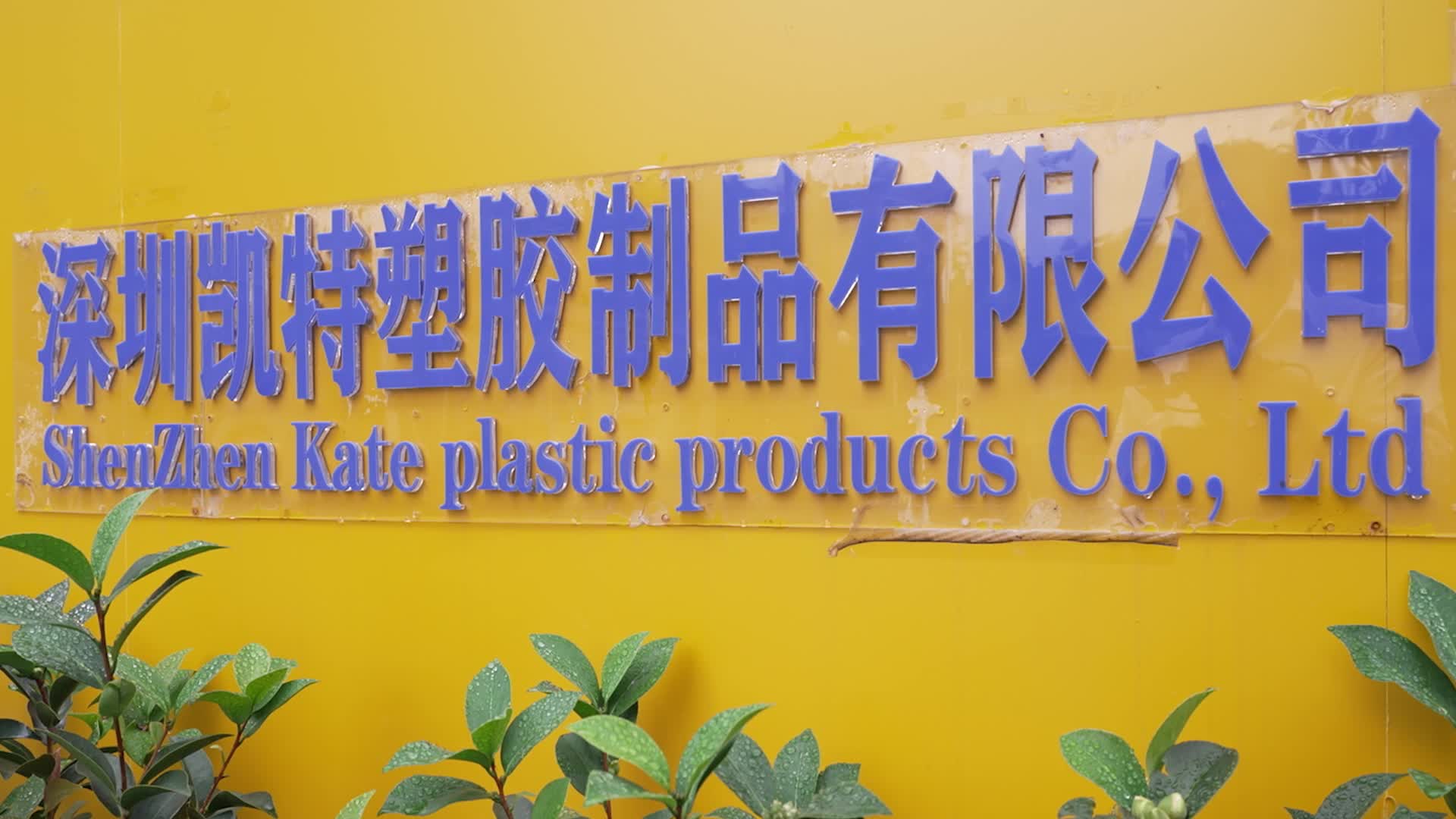
Chinese toy manufacturers in Shenzhen are experiencing a significant surge in American orders, capitalizing on the temporary 90-day trade war truce between the U.S. and China. This rush reflects a strategic effort by exporters to fulfill demand, as many had previously frozen or considered exiting their U.S. business amidst escalating trade tensions.
A 90-day trade war truce between the U.S. and China has triggered a significant, short-term surge in production and order fulfillment from Chinese toy manufacturers in Shenzhen for the American market. This rush to export represents a tactical maneuver by businesses to capitalize on the temporary tariff relief, reversing a recent trend where these same exporters had frozen U.S. business or considered a complete withdrawal due to escalating trade tensions. The current activity highlights the direct and immediate impact of trade policy on supply chain operations, creating a period of intense, time-sensitive production. However, the reliance on a temporary truce underscores the persistent underlying risk and uncertainty clouding the U.S.-China trade relationship, suggesting this burst of activity is a pull-forward of orders rather than a sustainable recovery in trade flows.
AI-powered research, real-time alerts, and portfolio analytics for institutional investors.
Request DemoOverall Sentiment
moderately positive
Sentiment Score
0.55
