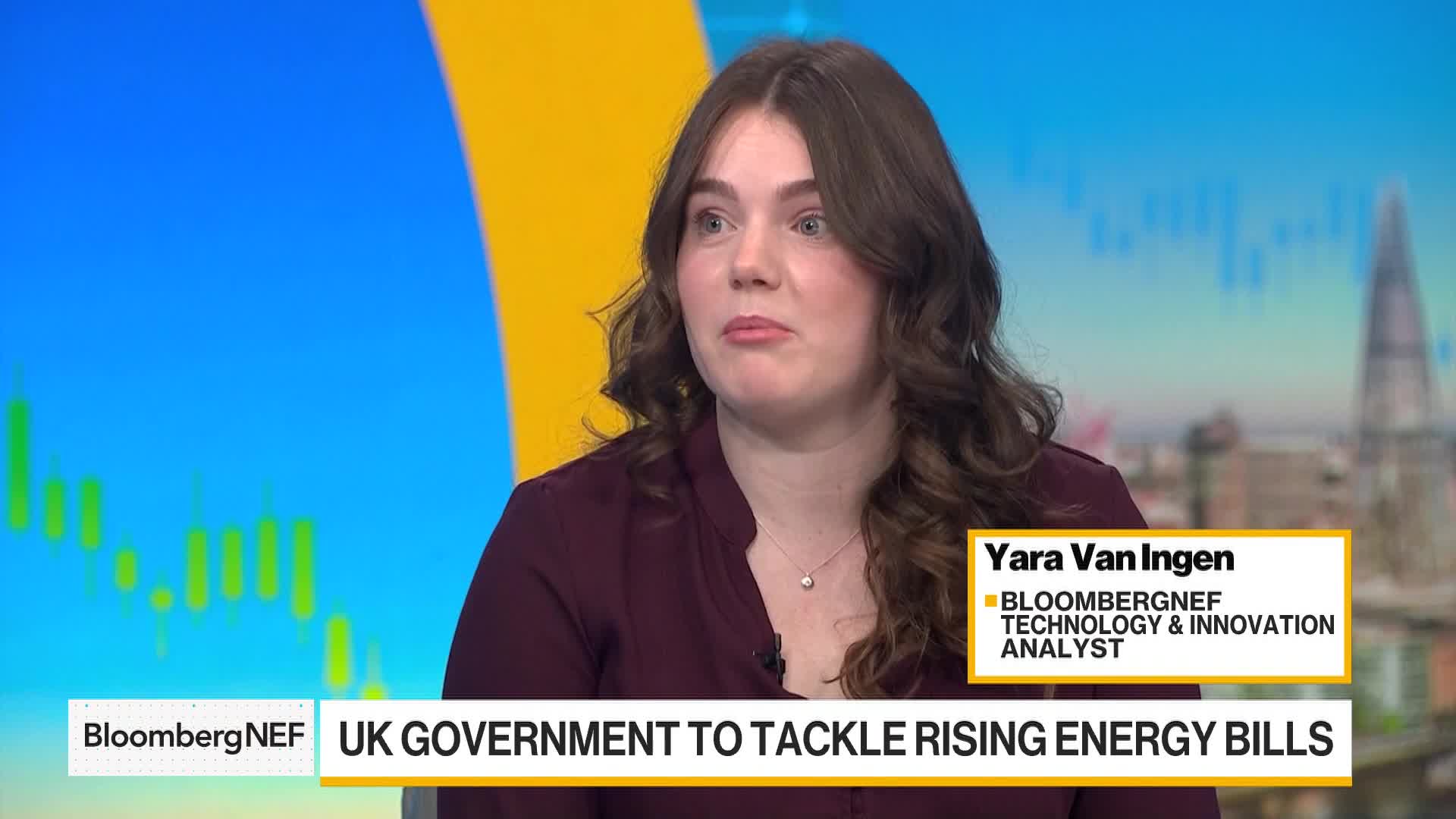
The UK government will remove the renewable obligation and the Energy Company Obligation levies, cutting an average household electricity bill by about 9.5% from April 2026 (households currently pay roughly 31% toward taxes and levies). The measure narrows running-costs for heat pumps by about £140 a year—reducing but not eliminating the ~£270/year advantage of gas—and is paired with a £7,500 grant to offset ~£12,000 average upfront heat-pump installation costs, targeting some 206,000 additional installs through 2028. The package reduces near-term consumer energy costs and supports heat-pump adoption, though cost parity and broad suitability for all homes remain unresolved.
Market structure: The policy (net ~9.5% electricity bill cut from Apr 20, 2026 and £7,500 heat‑pump grant supporting ~206k installs to 2028) shifts incremental consumer economics toward electrification: saves ≈£140/yr on heat‑pump running costs but leaves a ~£270/yr gas advantage today, so adoption will accelerate but remain partial. Immediate winners are heat‑pump OEMs, retrofit/installation services and insulation suppliers; marginal losers include legacy gas‑boiler OEMs and any generation assets that relied on the removed levies for revenue support.
Risk assessment: Key tail risks include installer capacity constraints (skilled labour bottlenecks), upstream commodity inflation pushing median install cost >£12k (breakeven extends), wholesale electricity spikes eroding operating savings, or political reversal if fiscal pressure grows. Time horizons: negligible market reaction in days, measurable order‑book effects in 3–12 months, and clear load/utility balance shifts over 2–5 years as electrification increases power demand.
Trade implications: Construct directional exposure to heat‑pump/retrofit beneficiaries (12–36 month horizon) while hedging policy/commodity risk. Use options to define downside: buy-call spreads on heat‑pump OEMs or ETFs and buy protection on gas‑exposed utilities. Rotate portfolio weight from pure gas‑boiler/value retail into energy‑services, installers and select power generators benefiting from higher electrified demand.
Contrarian angles: Consensus underestimates execution friction — the £7.5k grant caps uptake if installers/supply chains can’t scale; this makes short, event‑driven corrections likely when order backlogs or rising install costs surface. Also, lower levies could reduce some renewable revenue support, creating dispersion: don’t assume uniform “renewables win”; pick vertically integrated players with installation/service franchises.
AI-powered research, real-time alerts, and portfolio analytics for institutional investors.
Request DemoOverall Sentiment
mildly positive
Sentiment Score
0.25
