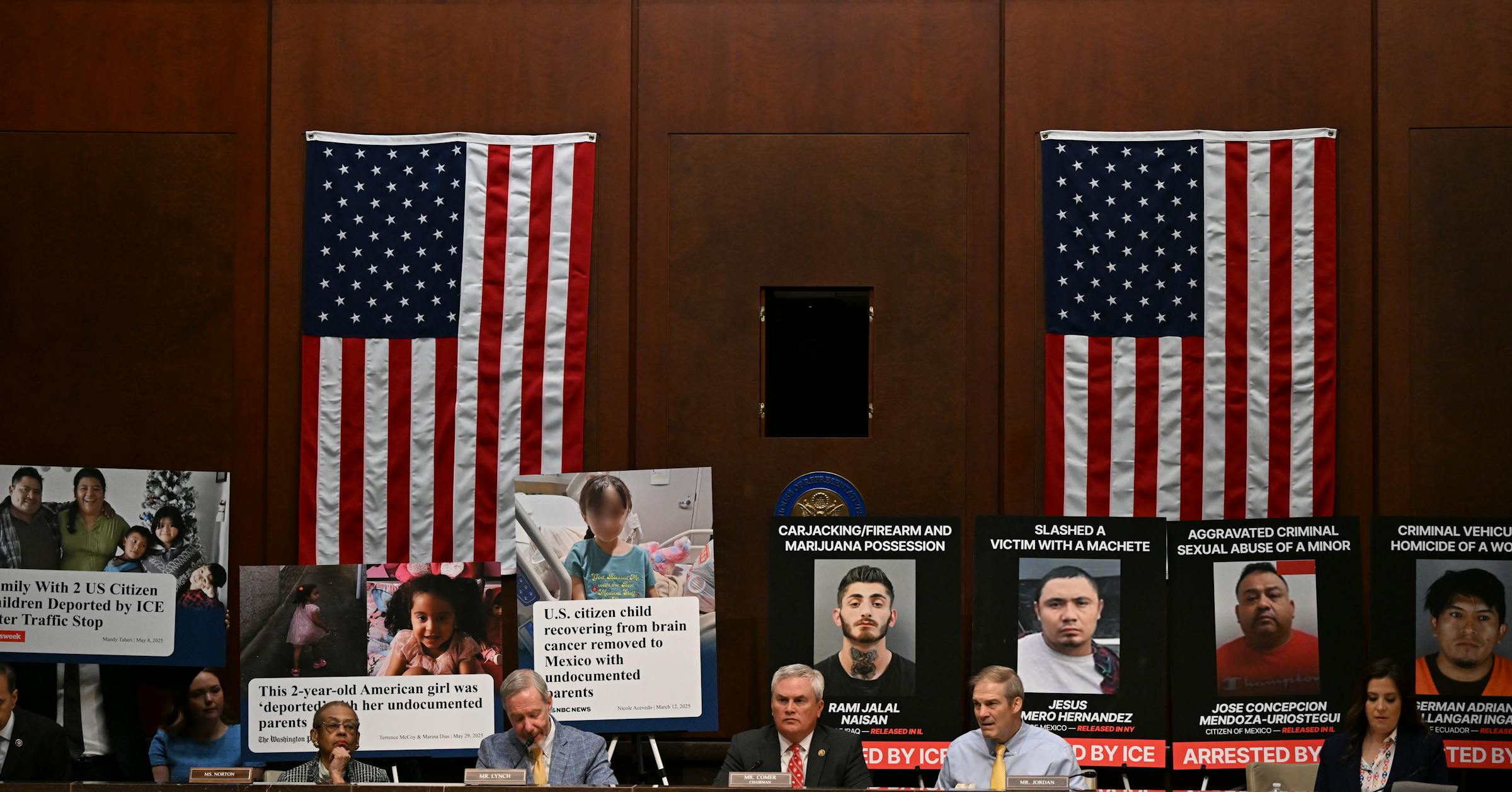
Republican state legislators from Minnesota and U.S. Rep. Tom Emmer are scheduled to testify before the House Oversight Committee on Jan. 7 in the first hearings into alleged widespread fraud in Minnesota’s Medicaid/social services programs, with Gov. Tim Walz and AG Keith Ellison summoned for a second hearing on Feb. 10. The probe, amplified by DOJ investigations and estimates that prosecutors say put losses at potentially billions of dollars, has prompted Walz to announce he will not seek re-election and raises both fiscal liability concerns for the state and heightened political and regulatory risk ahead of further congressional oversight.
Market structure: The immediate winners are compliance, fraud-detection and cybersecurity vendors (expect incremental RFPs and contracts from states and managed-care organizations), and forensic/legal services; losers are Medicaid-heavy insurers and Minnesota-centric providers and municipal credit sensitive to state fiscal strain. If federal probes surface losses measured in the “billions” (DOJ language), expect localized pricing pressure: MN-focused providers and any vendors paid on a transactional basis will see revenue down 5–20% over 12 months depending on clawbacks and contract repricing.
Risk assessment: Tail risks include: (1) DOJ/DOJ-led civil recoveries >$500M–$1B causing rating action and supplier bankruptcies; (2) MN general obligation or social-service-specific muni downgrades widening spreads by 25–75bps. Near-term volatility centers on Jan 7 and Feb 10 hearings; material legal/settlement outcomes are 1–6 months out and regulatory regime tightening is a 6–24 month structural risk that raises compliance CAPEX for operators.
Trade implications: Favor long exposure to high-quality cybersecurity/compliance equities (CRWD, ZS, FTNT) and firms providing Medicaid claims-adjudication/analytics; short or hedge Medicaid-centric insurers with concentrated state exposure (Molina MOH, Centene CNC) using capped put spreads sized small (1–3% portfolio). Reduce MN municipal bond exposure vs national munis and increase cash/Treasury or IG corporate ballast as a liquidity hedge until DOJ findings (2–12 weeks).
Contrarian angles: Markets may underprice follow-on opportunities for national managed-care players to gain share after state-level dislocations — a disciplined buyer could accumulate UNH on material drawdowns. Conversely, a knee-jerk sell-off in all healthcare names is overdone; differentiate by Medicaid revenue concentration (>25% = vulnerable). Historical parallels (state fraud probes 2010–2018) show 10–30% idiosyncratic drawdowns with recovery over 6–18 months once settlements and compliance programs are priced in.
AI-powered research, real-time alerts, and portfolio analytics for institutional investors.
Request DemoOverall Sentiment
moderately negative
Sentiment Score
-0.45
