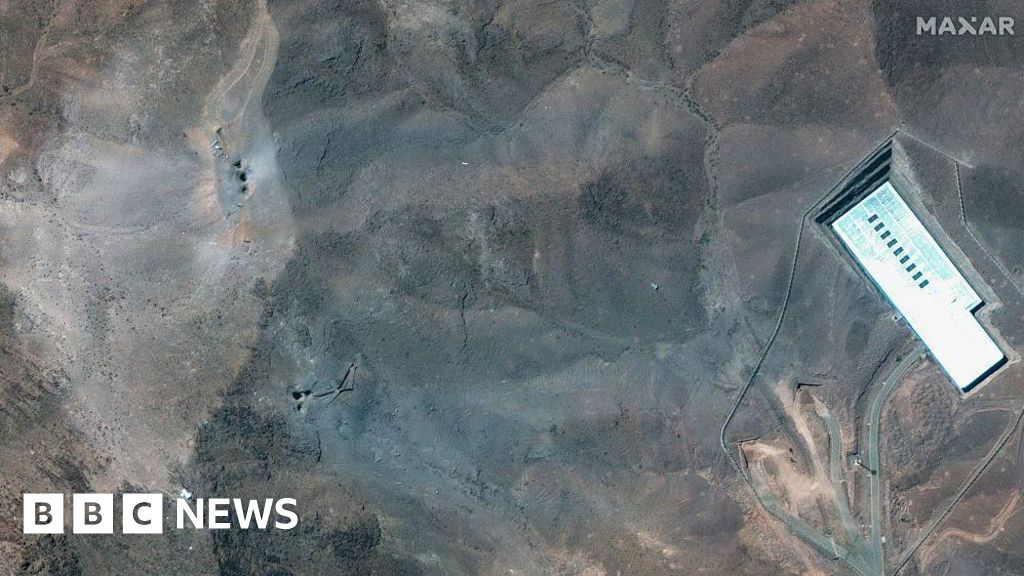
A leaked Pentagon intelligence assessment suggests recent US strikes on Iran's nuclear facilities did not destroy the program, but only set it back by an estimated few months, with centrifuges largely intact and deep underground sites surviving the 'bunker buster' bombs. This assessment directly contradicts official claims from the White House and Defense Secretary of 'complete destruction' and 'obliteration' of Iran's nuclear capabilities. The conflicting intelligence creates significant uncertainty regarding the true impact of the strikes and the long-term trajectory of Iran's nuclear ambitions and regional stability, despite a recent ceasefire following Iranian retaliation.
A significant divergence exists between a leaked Pentagon intelligence assessment and official US administration statements regarding the efficacy of recent strikes on Iran's nuclear facilities, creating substantial uncertainty for geopolitical risk assessment. The early Defense Intelligence Agency evaluation suggests the strikes only set back Iran's program by "a few months, tops," with centrifuges remaining "largely intact" and deep underground facilities surviving the attack. This assessment, which notes some enriched uranium may have been moved prior to the bombing, directly contradicts White House and Defense Secretary claims of having "completely destroyed" and "obliterated" Iran's nuclear capabilities. While the administration dismisses the leak, the conflicting narratives are amplified by third-party experts and political figures who question the scope of the mission's success. The situation is temporarily de-escalated by a US-Iran-Israel ceasefire following a largely intercepted Iranian retaliatory missile strike. However, the core contention of the leaked report—that Iran's nuclear program remains viable—implies the fundamental conflict is unresolved, leaving the potential for renewed escalation once the ceasefire expires or if Iran attempts to visibly rebuild its facilities.
AI-powered research, real-time alerts, and portfolio analytics for institutional investors.
Request DemoOverall Sentiment
neutral
Sentiment Score
0.00
