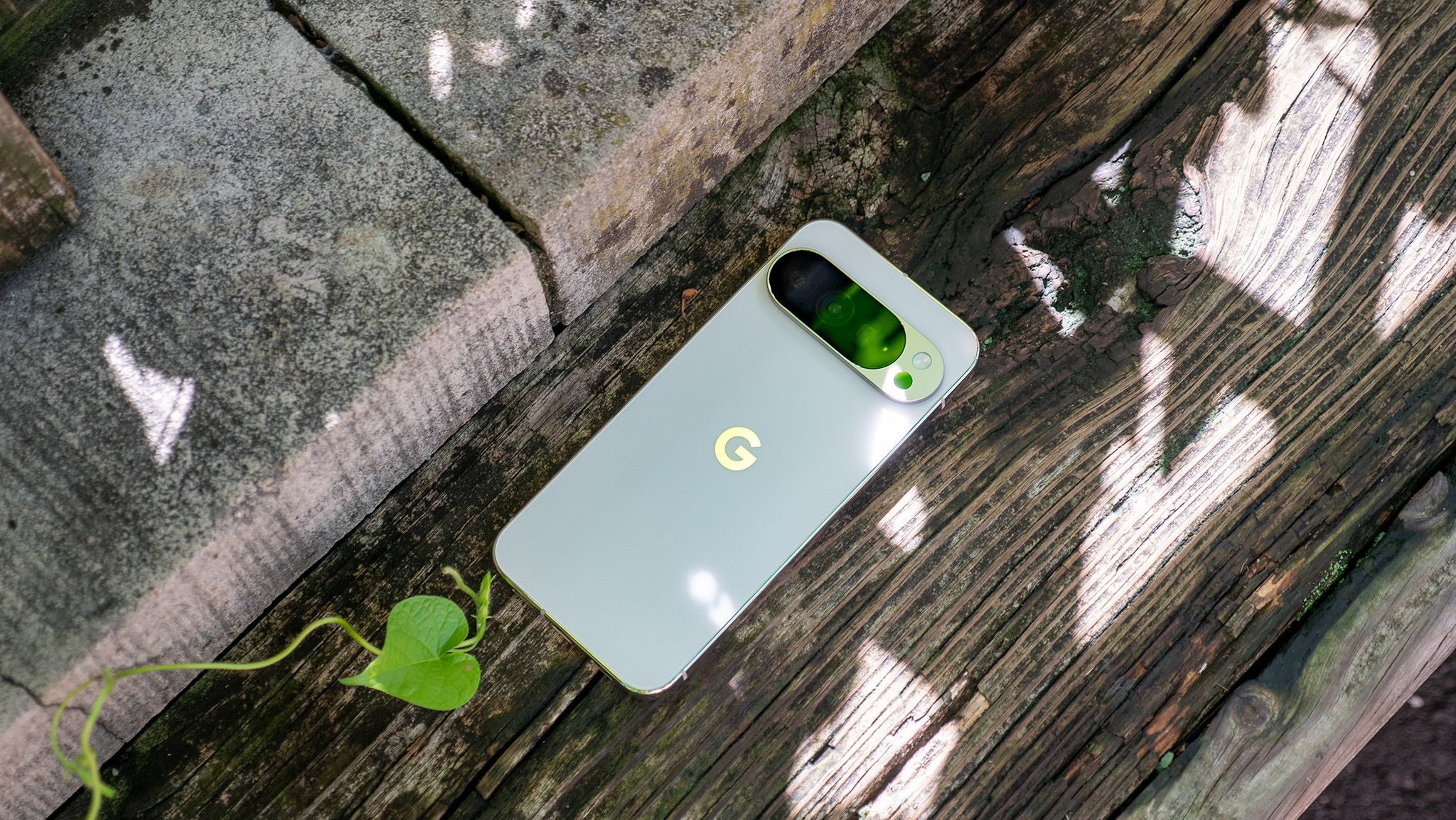
Leaked Pixel 11 details point to a 6.8-inch Pixel 11 Pro XL, 5,000mAh battery, and 12/16GB RAM options, while the base Pixel 11 may get a new 50MP main camera sensor. The biggest rumor is "Pixel Glow," an RGB LED array in the camera bar that could replace the temperature sensor across the Pixel 11, 11 Pro, and 11 Pro XL. The article is largely rumor-driven and unlikely to move markets materially, though it adds color to Google's 2025 hardware roadmap.
This leak cluster is more important as a margin narrative than as a handset-demand story. The base-model camera and battery upgrades suggest Google is still defending share with spec creep, but the real second-order issue is bill of materials inflation: higher RAM bins, a larger battery footprint, and a potentially older-but-discrete GPU choice all point to a tighter cost stack at a time when Android OEM pricing discipline is already weak. If Google holds street pricing flat, it compresses hardware gross margin; if it raises ASPs, it risks ceding elasticity in a mid-premium market that is increasingly crowded. The biggest competitive tell is the rumored removal of the temperature sensor in favor of a visible LED array. That is a branding move, not a utility upgrade, and it signals Google is prioritizing product differentiation over feature utility as it tries to create a recognizable hardware identity. The likely winner is whoever supplies imaging and assembly components with the most pricing power; the loser is any vendor exposed to commoditized legacy sensor content, because non-core features are getting swapped out for design language. For ARM, the reaction should be muted to slightly negative despite the Tensor G6 core mix sounding modern. Custom SoC branding usually helps the OEM narrative, but the rumored old-generation PowerVR GPU and modem transition imply Google is still optimizing for supply-chain independence rather than best-in-class silicon, which reduces the odds of a meaningful ARM content uplift. The more material read-through is that Google continues to prove Android flagships can differentiate without chasing the highest-end off-the-shelf silicon, which is a mild headwind to ARM’s premium-mobile royalty leverage over the next 12-18 months. Contrarian angle: the market may be overestimating how much consumers care about spec-sheet upgrades and underestimating the value of a distinct hardware cue. If Pixel Glow becomes a recognizable visual signature, the upside is better brand recall and lower marketing CAC, not higher unit growth immediately. That makes this a better long-duration product-branding story than a near-term earnings catalyst.
AI-powered research, real-time alerts, and portfolio analytics for institutional investors.
Request DemoOverall Sentiment
neutral
Sentiment Score
0.08
Ticker Sentiment
