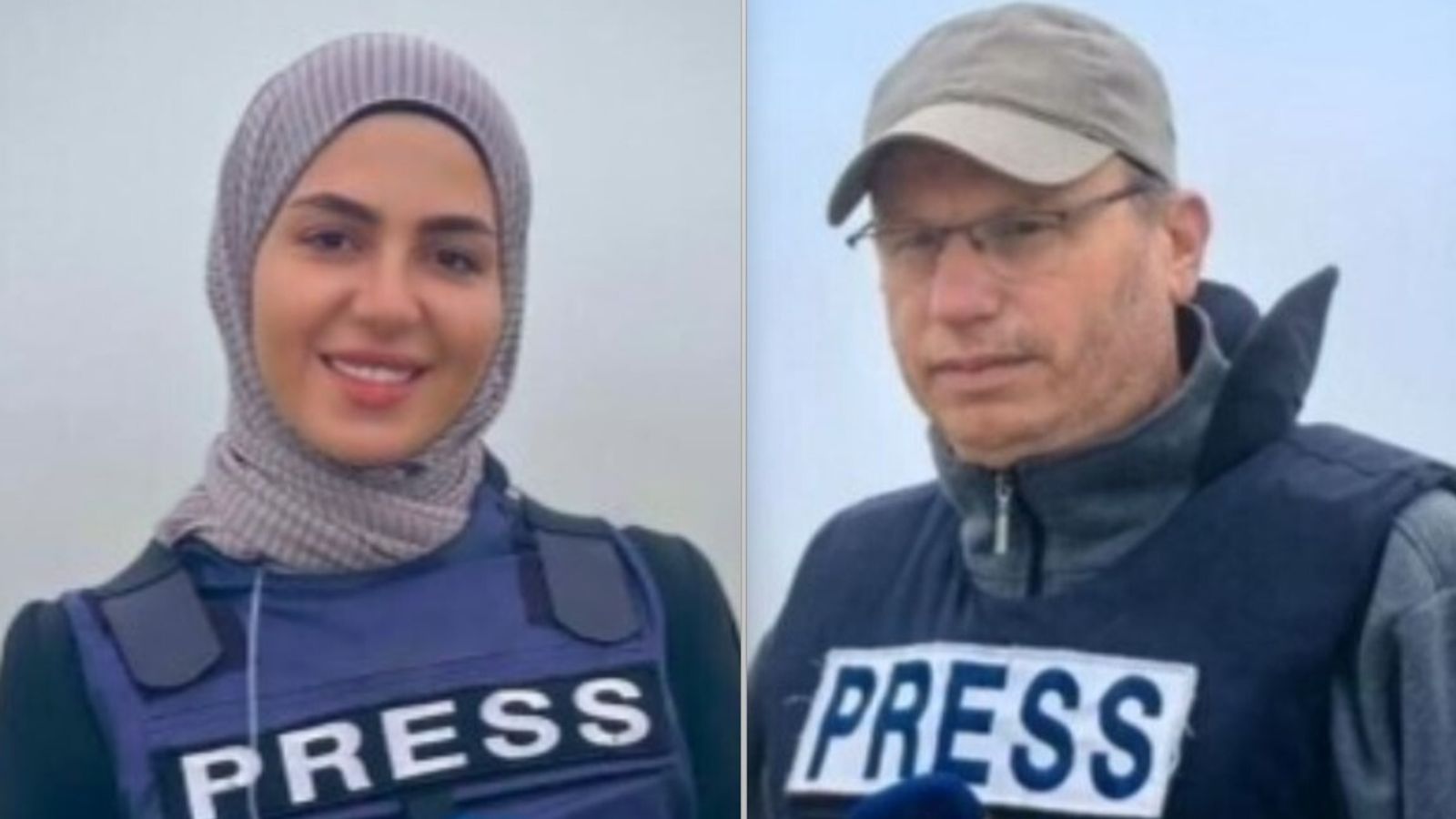
Three Lebanese television journalists (Fatima Ftouni, Ali Shoaib and Mohammed Ftouni) were killed in an Israeli airstrike in southern Lebanon on 28 March 2026; the IDF called it a 'targeted strike' alleging Shoaib was linked to Hezbollah intelligence, a claim denied by Hezbollah and condemned by Lebanese authorities as a war crime. The incident, coupled with Houthi missile fire from Yemen into southern Israel, raises regional escalation risk and could lift risk premia for oil and defense sectors and drive flows into safe-haven assets; monitor oil, regional sovereign risk indicators, and defense-related equities for near-term volatility.
The strike materially raises the probability of episodic, geographically dispersed retaliation that keeps risk assets volatile for weeks. Mechanically, repeated cross-border incidents lengthen shipping detours, raise short-term freight and insurance premia, and create transitory supply shocks in refined product flows — these manifest as sudden 3–10% moves in localized energy spreads and freight indices inside 1–6 weeks.
Demand for ISR, commercial satellite imagery and durable defense spares will accelerate on a multi-month basis as militaries and private operators seek higher-fidelity situational awareness and hardened logistics. That makes small- to mid-cap niche providers of imagery, secure communications and MRO parts potential compounders over 3–12 months, rather than the large-cap defense primes which price in macro upside quickly.
Financial markets will react in layered timeframes: days—safe-haven flows into USD and gold and weakness in EM equities/credit; weeks—EM sovereign and bank CDS widen as local capital flight and depositor risk rise; months—reinsurance pricing and defense procurement cycles re-price forward revenues. Oil sensitivity is non-linear: a single successful disruption to Red Sea/Gulf transits can add a transient 3–8% risk premium to Brent for 2–8 weeks.
The key contrarian point is that headline risk can be front-loaded: markets often overshoot in the first 72 hours and then mean-revert as diplomatic channels reopen. That makes short-dated option structures and targeted hedges more efficient than large directional equity bets across the whole defense or EM complex.
AI-powered research, real-time alerts, and portfolio analytics for institutional investors.
Request DemoOverall Sentiment
strongly negative
Sentiment Score
-0.80
