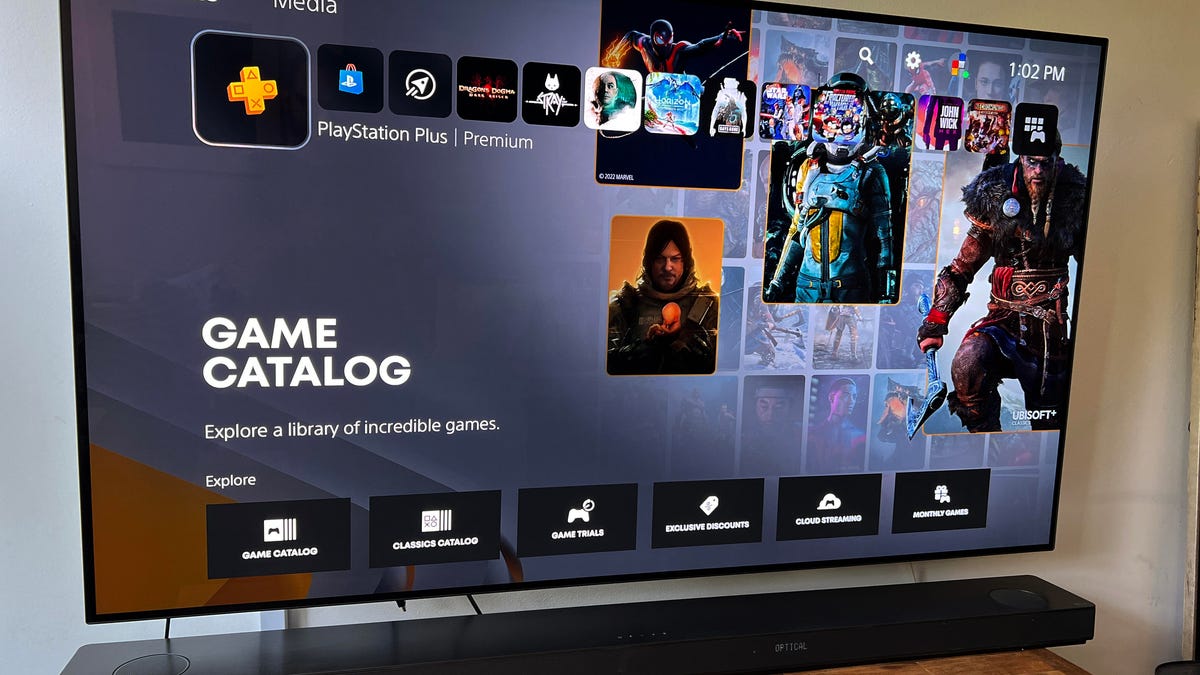
Sony is raising PlayStation Plus prices for new customers effective May 20, with the one-month plan increasing $1 to $11 and the three-month plan rising $3 to $28. The higher pricing appears limited to the Essential tier, while Extra and Premium remain unchanged at $15 and $18 per month; current subscribers are generally unaffected except in India and Turkey. The move reflects ongoing market conditions and likely higher hardware/component costs tied to AI-driven demand for memory and storage.
This is less about a few dollars on a subscription and more about Sony signaling that pricing power has shifted from hardware to services. The key second-order effect is that the company is using a low-friction recurring revenue product to offset margin pressure from an input-cost shock elsewhere in the ecosystem; that usually works first on new cohorts, then gradually bleeds into renewals if churn stays contained. That makes PS Plus a useful margin lever, but it also tests how elastic the lowest tier is versus the higher-value catalog tiers, which are the real ARPU engine.
The competitive read-through is more important for MSFT than the headline suggests. If one platform pushes monetization harder on the access layer while another can bundle subscription value across console/PC/cloud, the latter gains relative pricing flexibility over the next 6-12 months. The memory/SSD inflation angle also creates a sneaky winner set outside the obvious gaming names: suppliers of components with tight capacity and little near-term substitution should see better pass-through, while consumer-facing OEMs and peripherals brands risk gross margin compression if they cannot reprice quickly.
The contrarian view is that investors may be overestimating the durability of the pricing tailwind. If the cost shock is genuinely memory-driven, it can reverse faster than a typical inflation cycle once supply catches up, meaning this could be a temporary monetization window rather than a new run rate. The bigger risk is not churn today but delayed engagement: a small price hike on the cheapest tier can push marginal users toward platform discontinuation or account dormancy, which would show up over 2-3 quarters rather than immediately. That timing matters because the market will likely reward the first margin expansion print and punish the first sign that acquisition is slowing.
AI-powered research, real-time alerts, and portfolio analytics for institutional investors.
Request DemoOverall Sentiment
mildly negative
Sentiment Score
-0.20
Ticker Sentiment
