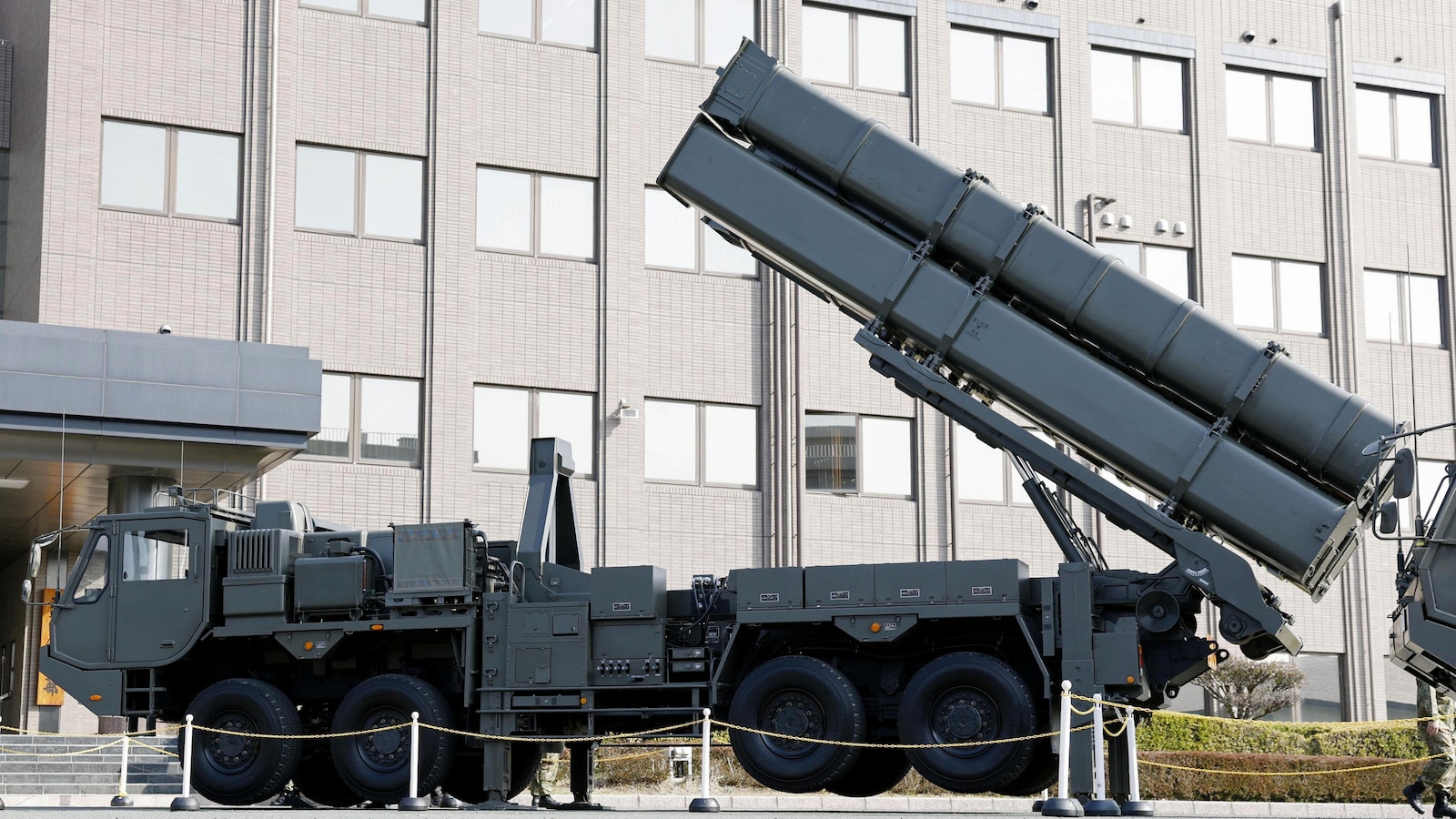
Japan deployed upgraded Type-12 land-to-ship missiles with ~1,000 km range at Camp Kengun and a hypersonic glide vehicle to Camp Fuji, with additional deployments in Hokkaido and Miyazaki planned by March 2028. The Cabinet approved a record defense budget exceeding ¥9 trillion (~$58B) and plans to field U.S. Tomahawk cruise missiles (1,600 km range) on JS Chokai and eventually seven more destroyers, a policy shift that elevates regional military tension and benefits domestic and U.S. defense suppliers (e.g., Mitsubishi Heavy Industries).
Defense procurement is about to rewire parts of Japan’s industrial landscape: domestic heavy-equipment manufacturers, precision-guidance and RF-sensor suppliers, and secure systems integrators will see multi-year backlog growth that compounds through tiers of subcontracting. Expect meaningful revenue recognition to lag announcements by 12–36 months as production ramps, creating a value-creation window for suppliers that have scalable capacity and IP in guidance, radars and hardened communications.
Macro spillovers are underappreciated. A sustained tilt toward defense capital spending will require incremental financing and could put 10Y JGB yields under upward pressure over a 6–18 month horizon, forcing adjustments in duration-sensitive portfolios and raising hedging demand; simultaneously, episodic geopolitical shocks will drive short-term JPY volatility and insurance/reinsurance premium repricing in the region.
The largest execution risks are political pushback, export-control frictions on advanced subsystems, and cost overruns — any of which would delay revenue and re-rate supplier multiples. Conversely, a cycle of allied procurement and tech-transfer partnerships would amplify upside for firms that secure long-term offset work; monitor contract awards, export-license approvals and cross-border JV announcements as near-term catalysts.
AI-powered research, real-time alerts, and portfolio analytics for institutional investors.
Request DemoOverall Sentiment
neutral
Sentiment Score
0.00
