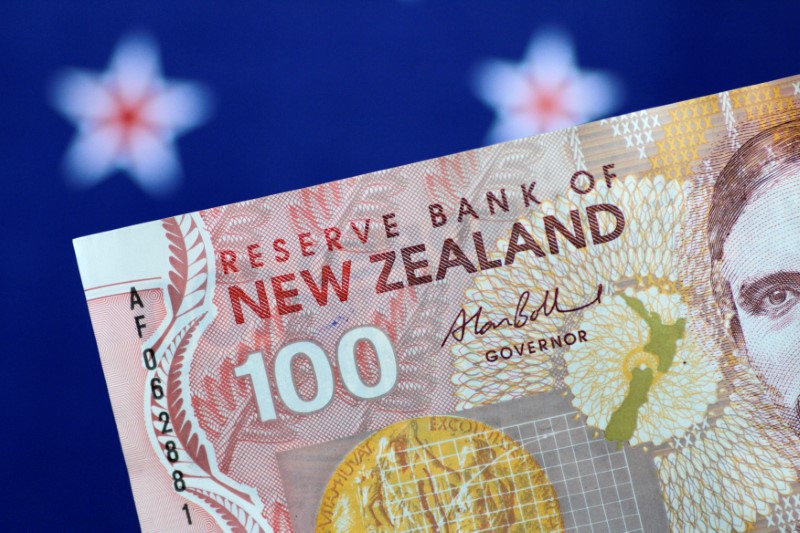
Asian currencies broadly declined and the U.S. Dollar Index rose 0.2% as investors reacted to President Trump's announcement of higher U.S. tariffs, effective August 1, including 25% on all goods from Japan and South Korea, and up to 40% for other Asian nations. This escalation in trade tensions overshadowed the Reserve Bank of New Zealand holding rates steady and a slight increase in China's consumer inflation, contributing to broad market caution across the region.
Heightened U.S. trade protectionism is driving broad risk-off sentiment across Asian markets, leading to a widespread decline in regional currencies against a strengthening U.S. dollar. The U.S. Dollar Index rose 0.2% following President Trump's announcement of impending tariffs, including a significant 25% levy on all goods from Japan and South Korea and up to 40% for other Asian nations. This escalation, described by ING analysts as a "worse-than-expected outcome," has directly pressured currencies such as the South Korean won (USD/KRW +0.4%) and the Indonesian rupiah (USD/IDR +0.5%). The market is also bracing for further duties on key imports like copper (50%), semiconductors, and pharmaceuticals. This overarching trade uncertainty has largely overshadowed other regional developments. For instance, the Reserve Bank of New Zealand held its policy rate steady but signaled a potential future cut, contributing to a 0.3% fall in the NZD/USD pair. Similarly, a marginal increase in China's consumer price index provided little support to the yuan, which also weakened, underscoring that geopolitical trade risk is the dominant factor dictating investor sentiment and capital flows in the region.
AI-powered research, real-time alerts, and portfolio analytics for institutional investors.
Overall Sentiment
moderately negative
Sentiment Score
-0.50
Ticker Sentiment
