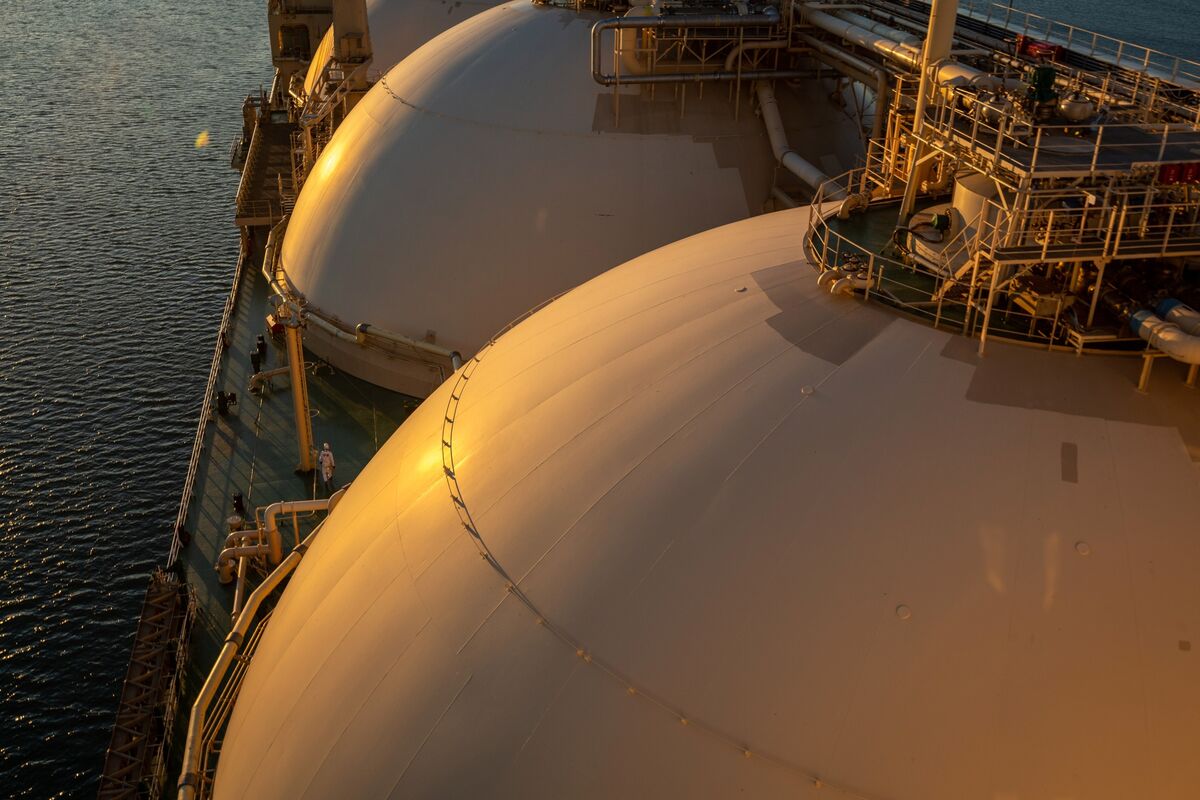
Egypt plans to significantly increase its liquefied natural gas (LNG) exports, targeting two shipments per month from its Idku facility between November and March. This strategic shift, reversing its recent status as a net importer, aims to attract greater foreign investment into its domestic gas production by allowing international companies to export a portion of their output, thereby bolstering its energy sector and potential global market presence.
Egypt is set to significantly increase its liquefied natural gas (LNG) exports, targeting two shipments per month from its Idku facility between November and March. This initiative marks a notable policy reversal, as the nation recently acted as a net importer to address domestic supply shortages. The strategic shift aims to re-establish Egypt's presence as a key energy exporter.
This aggressive export push is primarily designed to attract greater foreign direct investment into Egypt's domestic gas production sector. By offering international companies the incentive to export a portion of their output, the government seeks to stimulate capital deployment and enhance gas field development. This policy adjustment underscores a commitment to leveraging natural gas resources for economic growth.
The moderately positive sentiment and moderate market impact associated with this development suggest a constructive outlook for Egypt's energy sector. Increased LNG exports could bolster its position within global energy markets and influence regional supply dynamics, particularly for commodities and raw materials, while also impacting trade policy within emerging markets.
AI-powered research, real-time alerts, and portfolio analytics for institutional investors.
Overall Sentiment
moderately positive
Sentiment Score
0.55
