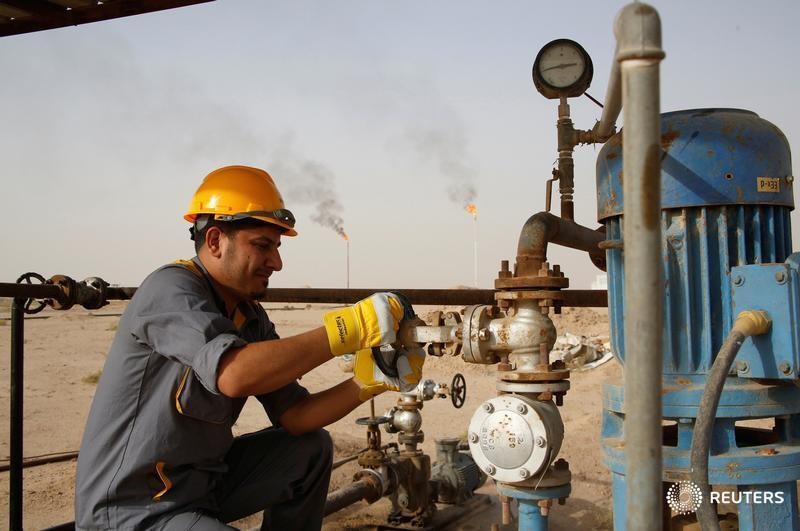
Japan’s Cosmo Energy secured 1 million barrels of Mexican Isthmus crude for delivery in the coming days, its first purchase of Mexican crude in three years, as Iran-war-related disruptions and the near-closure of the Strait of Hormuz strain Middle East supply lines. Japan imports more than 90% of its crude from the Middle East, so the disruption is forcing refiners to source alternative barrels from Mexico and the U.S. The development is negative for energy supply stability and underscores broader geopolitical risk to oil markets and Japanese industry.
The immediate market read on chips is less about Japan’s crude logistics and more about what persistent geopolitical friction does to hyperscaler capex timing. NVDA is vulnerable because the AI build-out is already priced for near-flawless execution; any incremental delay from energy-linked industrial stress, shipping disruption, or broader risk-off conditions hits a multiple that is still underwriting perfection. The first-order move can be exaggerated, but the second-order effect is a tighter financing and procurement environment for data centers, which typically shows up with a 1-2 quarter lag rather than instantly.
The more interesting angle is that energy dislocation tends to re-price the entire AI supply chain before it hits end demand. If fuel and logistics costs stay elevated, foundry, packaging, and equipment lead times can become less predictable, and that matters most for names with stretched delivery expectations. In that setup, semis with the highest forward revenue concentration and richest valuation are the most exposed, while “pick-and-shovel” beneficiaries tied to power, grid, and industrial electrification could gain relative support.
The contrarian view is that this kind of headline can be a false signal for NVDA if investors are confusing macro volatility with durable earnings risk. Unless the geopolitical shock becomes a sustained energy inflation regime, the fundamental damage to AI demand is likely modest; the larger issue is multiple compression, not estimate cuts. That means the right trade is often to express caution through relative value or options, not outright structural bearishness.
Catalyst-wise, watch for follow-through in freight rates, refinery runs, and any corporate commentary on data-center power costs over the next 30-60 days. If energy markets normalize quickly, this headline fade should be bought; if not, the bear case strengthens via margin pressure and capex deferrals into the next earnings cycle.
AI-powered research, real-time alerts, and portfolio analytics for institutional investors.
Request DemoOverall Sentiment
mildly negative
Sentiment Score
-0.25
Ticker Sentiment
