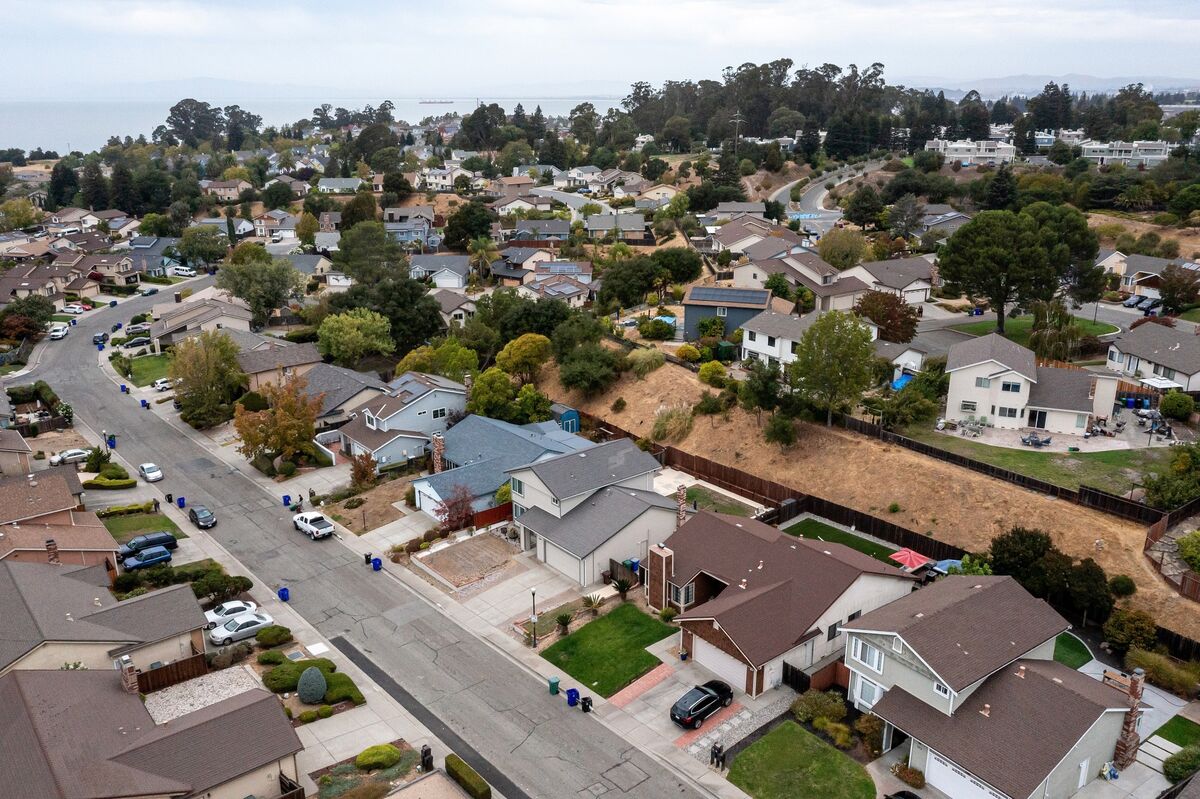
U.S. home prices recorded their weakest annual gain in over two years in August, rising just 1.5% year-over-year according to S&P CoreLogic Case-Shiller data, following a 1.6% increase in July. This marks the seventh consecutive month of slowing growth, attributed to increasing inventory and buyers gaining leverage in negotiations, signaling a continued cooling trend in the housing market.
U.S. home prices recorded their weakest annual gain in over two years during August, increasing by a mere 1.5% year-over-year, according to S&P CoreLogic Case-Shiller data. This marks the seventh consecutive month of decelerating growth, following a 1.6% rise in July, indicating a significant cooling trend in the housing market.
The deceleration is primarily attributed to a shift in market dynamics, where buyers are gaining increased leverage in negotiations. Concurrently, a growing inventory of homes available for sale is contributing to this softening price appreciation. These factors collectively suggest a move away from the rapid price escalations observed in previous periods.
This sustained slowdown in home price growth, coupled with increasing inventory, signals a more balanced, albeit less robust, real estate market. The moderately negative sentiment and bearish tone associated with this data point to potential headwinds for housing-related investments. This trend could impact builder confidence and mortgage market activity.
AI-powered research, real-time alerts, and portfolio analytics for institutional investors.
Request DemoOverall Sentiment
moderately negative
Sentiment Score
-0.50
