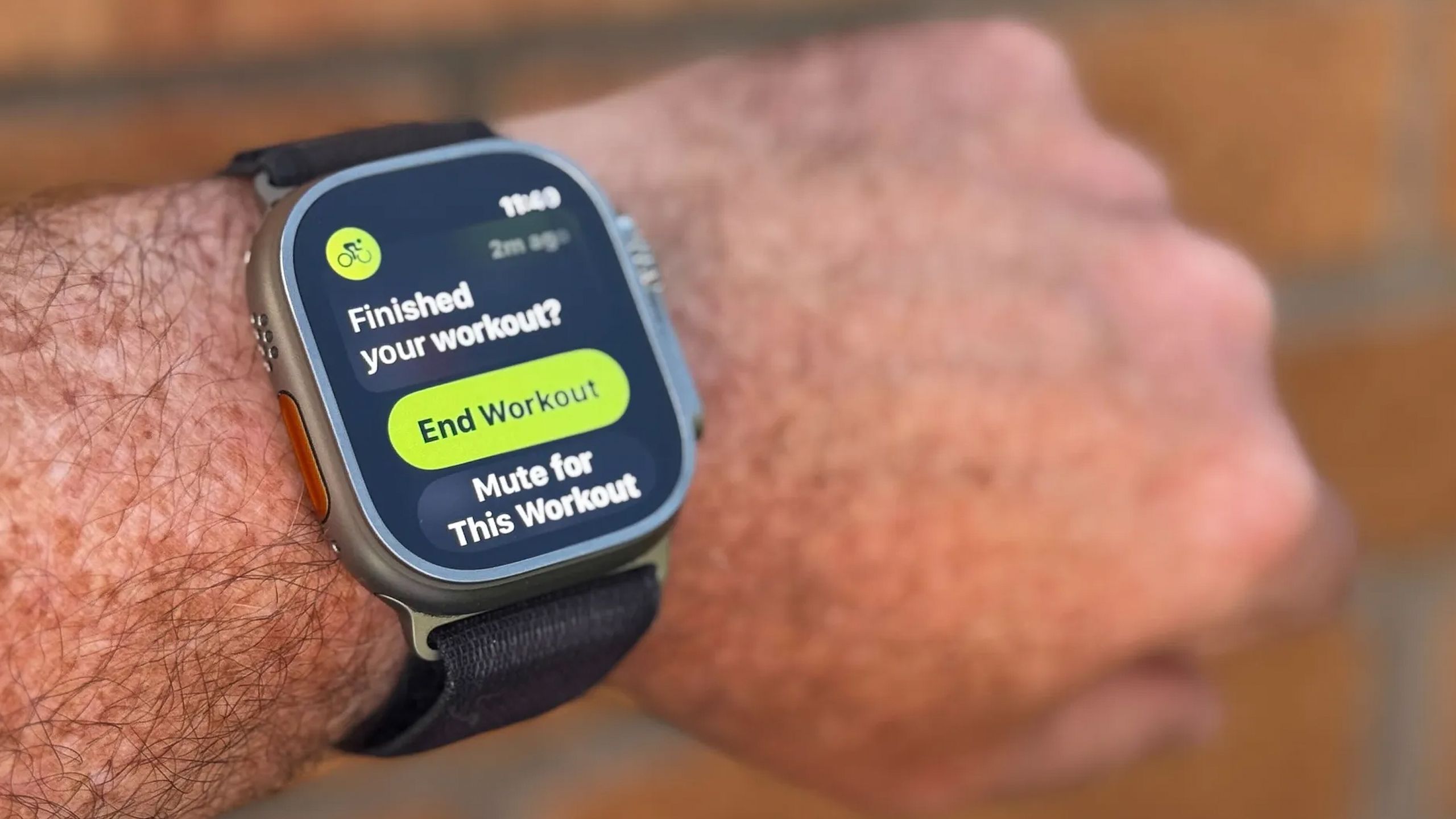
Major retailers are discounting legacy Apple wearables ahead of Cyber Monday, pushing the Apple Watch Ultra 2 to $599 in the US (from $799, roughly 25% off) and the Apple Watch Series 10 to $279 in the US (from $429, ~35% off); UK pricing shows Ultra 2 at £599 (from £659, ~9% off) and Series 10 at £279 (from £359, ~22% off). The models are not current-generation (Ultra 2 superseded by Ultra 3 and Series 10 not top of its line), but the price cuts improve Apple’s competitiveness in the sports-watch/consumer wearables market and could modestly boost near-term retail sales and share of wallet versus specialist competitors like Garmin.
Market structure: Apple (AAPL) and distribution partners (AMZN, WMT) are short-term winners — discounts (up to ~35%) increase unit sales and ecosystem lock-in at the expense of per-unit gross margin (likely 3–8% hit on promoted SKUs). Garmin (GRMN) is the obvious loser in casual/crossover cycling segments; its premium, adventure-oriented positioning preserves pricing power but narrows TAM vs. Apple for mainstream buyers. Promotional intensity implies seasonally elevated inventory — demand-growth is being rented via price, not permanent pricing power gains.
Risk assessment: Tail risks include accelerated antitrust/regulatory scrutiny of Apple Pay/Apple integration (low-probability, high-impact within 6–18 months) and a supplier margin squeeze if Apple extends promotions (earnings risk next 1–3 quarters). Immediate (days/weeks) effects: retail traffic and AMZN/WMT sales prints; short-term (months): incremental services conversion rates matter; long-term (quarters/years): sustained share gains in wearables could redistribute recurring services revenue. Hidden dependency: wearable attach-rate to iPhone installs drives lifetime value — losing momentum here compresses recurring services.
Trade implications: Tactical longs: AAPL/AMZN exposures benefit from holiday conversion — prefer 1–3 month call spreads to capture upside while capping cost; short GRMN on 3–6 month horizon for share-pressure bets. Pair trade: long AAPL, short GRMN sized 1–2% each to express secular shift. Rotate capital from pure sports-hardware names into consumer tech & platform services over next 3–12 months.
Contrarian angles: Consensus underestimates Garmin’s resilience in high-end athletes; if GRMN sustains ASPs, short squeezes are possible. Conversely, the market may underprice Apple’s services upside from incremental install base — discounts can be a deliberate CAC play with durable LTV gains. Historical parallels: prior Apple price promotions lifted unit share then services revenue; unintended consequence: heavier regulatory focus could arise if Apple pushes ecosystem leverage aggressively.
AI-powered research, real-time alerts, and portfolio analytics for institutional investors.
Request DemoOverall Sentiment
mildly positive
Sentiment Score
0.30
Ticker Sentiment
