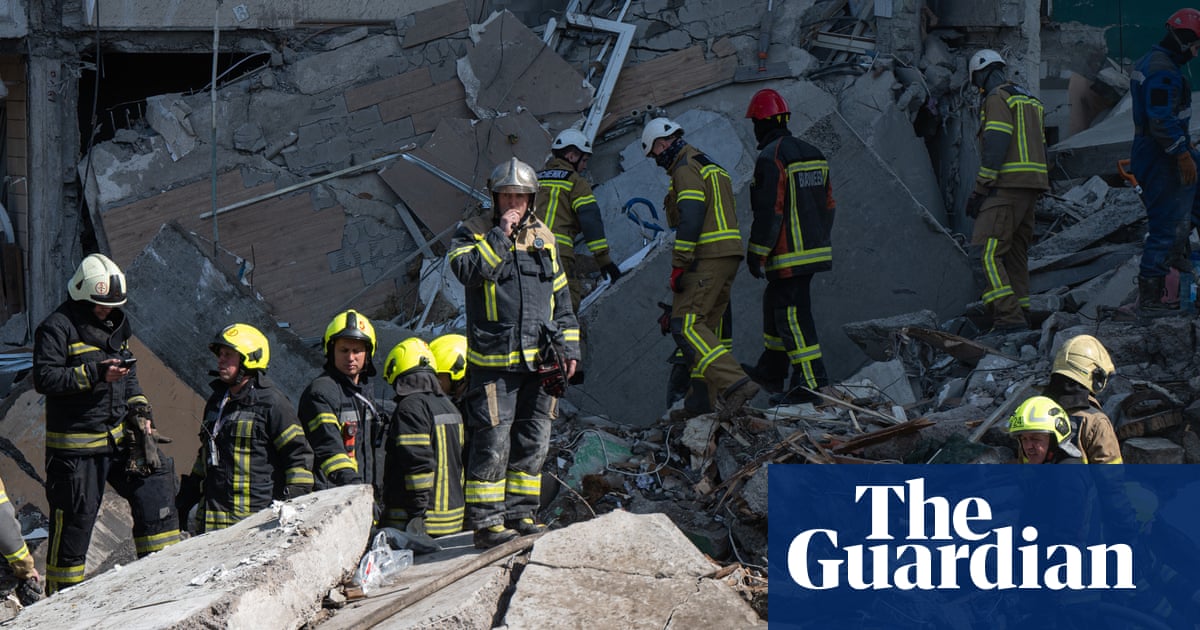
Russian missile and drone attacks killed at least 5 people in Kyiv and injured 44 in the capital, as Ukraine said the latest wave included 56 missiles and nearly 700 drones. The strikes also disrupted water and power in Kyiv, destroyed 18 apartments in one building, and hit a UN vehicle in Kherson. The escalation underscores continued war risk and undermines recent claims that a peace deal between Russia and Ukraine is close.
The immediate market consequence is not broad risk-off, but a repricing of European security duration: every sustained escalation increases the probability that defense procurement gets pulled forward rather than merely expanded on paper. That favors primes with missile-defense, air-defense, and electronic warfare exposure more than legacy land-systems names, because the bottleneck is intercept capacity and sensor fusion, not armored vehicle count. The second-order winner is any supplier with short-cycle inventory and NATO-standard munitions capacity; the losers are European industrials with heavy eastern-Europe logistics exposure and utilities in the region facing higher outage risk and harder-to-insure asset bases. This attack pattern also raises the odds of a fast policy response in Europe, but not necessarily in the form investors expect. The real catalyst is political: sustained pressure on civilian infrastructure makes aid packages easier to justify, while also tightening sanctions enforcement and accelerating orders for counter-drone systems. Over the next 1-3 months, the key risk is that missile and drone saturation reduces the marginal value of each incremental air-defense system delivered unless the package includes integrated radar, command-and-control, and interceptor stockpiles; that creates a preference for ecosystem providers over single-product vendors. The contrarian read is that the market may already own the obvious defense beneficiaries, while underestimating reinsurance and aviation second-order effects in Europe if attacks persist into winter and infrastructure damage becomes more frequent. Another underappreciated angle is that Ukraine’s demonstrated low-cost drone know-how raises the ceiling for domestic defense innovation, which may shift procurement toward asymmetric, software-heavy solutions rather than just expensive hardware. Any de-escalation would likely come from an external diplomatic reset, not battlefield dynamics, so the near-term setup remains tactically bullish defense but with high headline volatility.
AI-powered research, real-time alerts, and portfolio analytics for institutional investors.
Request DemoOverall Sentiment
extremely negative
Sentiment Score
-0.86
