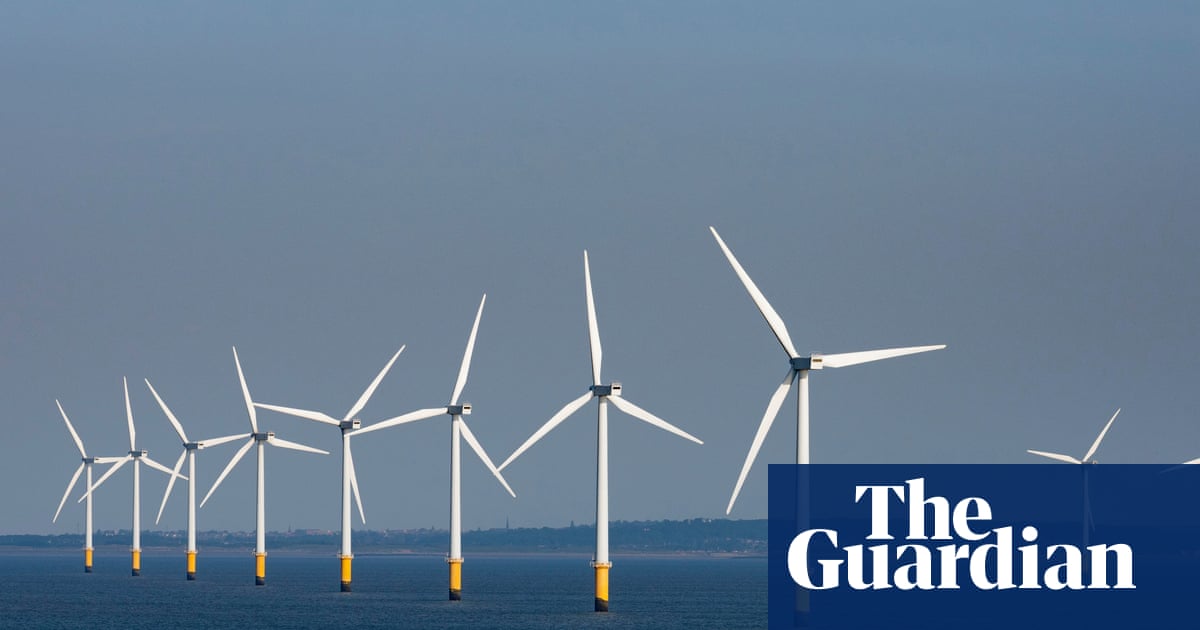
Danish wind giant Ørsted announced plans to reduce its workforce by 2,000 positions, or a quarter, by 2027, including 500 immediate redundancies, following significant industry headwinds. These challenges include a US project halt by the Trump administration that severely impacted its share price and necessitated a $9 billion fundraising, alongside the cancellation of a major UK offshore windfarm due to high inflation and soaring costs. Consequently, Ørsted will refocus its strategy on European and select Asian offshore wind markets after completing its existing global projects, aiming for a more efficient and flexible organization, even as its share price remains 53% below last year's levels.
Danish wind developer Ørsted announced a significant workforce reduction, planning to cut 2,000 positions, or 25% of its 8,000-strong workforce, by the end of 2027, with 500 immediate redundancies. This restructuring follows severe industry headwinds, including a US project halt ordered by the Trump administration that drove its share price to an all-time low and necessitated a $9 billion fundraising effort. Additionally, the company cancelled a major UK offshore windfarm project due to high inflation and soaring supply chain costs.
In response, Ørsted will strategically refocus its business on Europe's offshore wind sector and select Asian markets, completing its existing global pipeline before this shift. CEO Rasmus Errboe stated the need for a "more efficient and flexible" organization, aiming to create a "more competitive Ørsted" ready for new value-accretive projects. This pivot is a direct consequence of the challenging global market and political environment experienced in key development regions.
Despite a recent US court decision allowing the restart of the Revolution Wind project, the company's share price fell 2.6% to 119 DKK on Thursday, remaining 53% lower than a year ago, albeit slightly up from its August all-time low of 99.54 DKK. The strongly negative sentiment and pessimistic tone reflect ongoing market concerns regarding the profitability and execution risks within the offshore wind sector, exacerbated by political and economic pressures.
AI-powered research, real-time alerts, and portfolio analytics for institutional investors.
Request DemoOverall Sentiment
strongly negative
Sentiment Score
-0.75
